News
ONC Assessment Shows PDM Transforming Kumi Households Into Income-Generating Livestock Producers

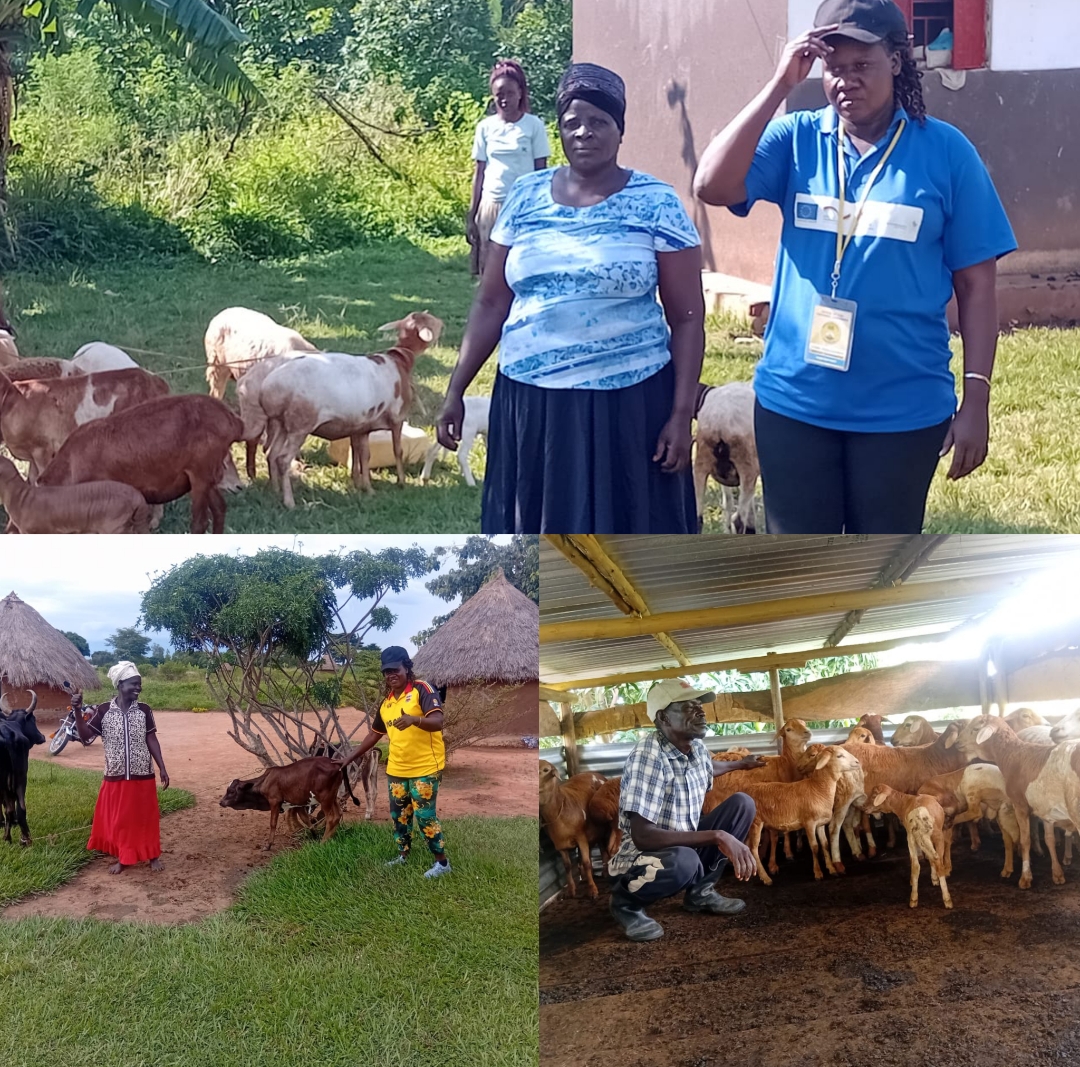
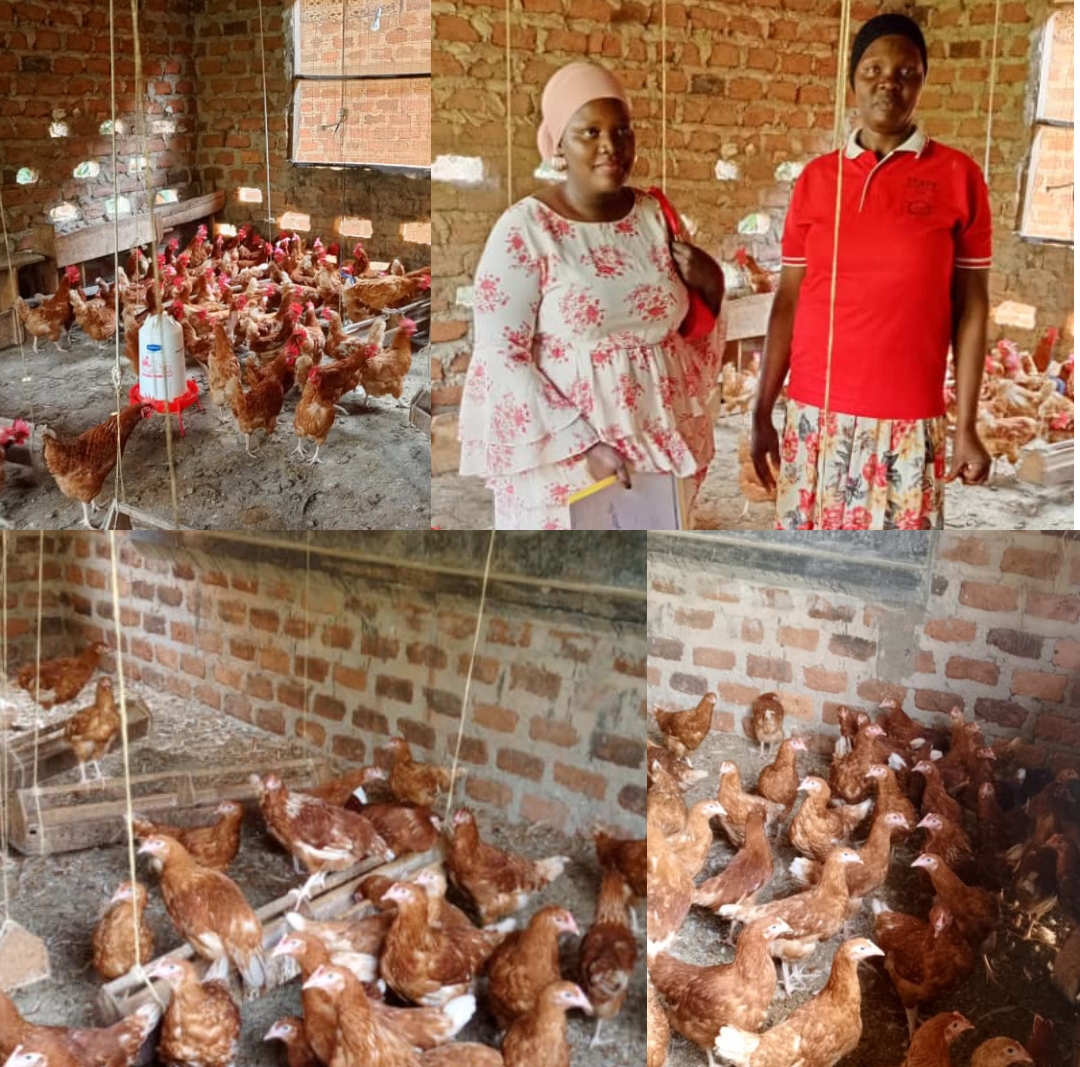
Across the seven subcounties of Kumi District, the Parish Development Model is translating into visible household prosperity, with beneficiaries who received one million shilling grants now reporting steady cash flows from livestock and poultry sales that have fundamentally altered their economic position.
A recent monitoring exercise by the Office of the National Chairman has documented the scale of this shift, revealing that households in Ogooma, Kakures, Nyero, Kadami, Kanyum Town Council, Kanyum Sub County and beyond have systematically expanded small agricultural enterprises into income-generating ventures of genuine substance.

The assessment was conducted by Ms. Iyogil Cecilia Edith, the ONC District Coordinator for Kumi, who moved across the district’s parishes to verify how beneficiaries had deployed their PDM allocations. What emerged from her engagements was a consistent pattern: families who had begun with modest livestock or poultry operations were now managing multiplied herds and flocks, with production cycles that generated regular revenue rather than sporadic windfalls.
In practical terms, the change manifested in ways that matter to household survival and dignity. Beneficiaries reported reliable milk production and established sales channels, poultry flocks that had expanded substantially with ongoing egg and chicken sales providing weekly income, and goat and sheep herds that had grown large enough to sell animals for cash when household needs arose. The progression from grant receipt to operational enterprise to repeatable income had held firm across communities.
Ms. Iyogil described what the monitoring had uncovered with straightforward precision. The impact visible in Kumi, she noted, centred on increased household income derived from product sales: milk from dairy operations, eggs and meat from poultry, cash from goat and sheep sales.
She emphasized that beneficiaries had genuinely expanded beyond their initial one million shilling investment, growing enterprises to a point where regular money now flowed into homes rather than arriving in unpredictable lump sums.
Her assessment extended to the institutional framework that had enabled the progress. She commended parish SACCO leaders and local administrators across Kumi for the transparency, accountability, and mobilization effort they had brought to PDM implementation. Without such structures, she implied, the programme’s promise would have remained theoretical rather than materializing as the livestock growth and income generation now evident in beneficiary households.
Looking forward, Ms. Iyogil identified mentorship and technical support as the variables most likely to determine whether the current momentum would sustain and deepen. Beneficiaries had proven willing to invest and expand. What would separate modest success from transformational wealth creation, she suggested, was the quality of ongoing guidance available to help them optimize their enterprises and navigate market realities.
The Kumi findings reinforce a broader narrative about PDM’s design and execution. The programme channels one hundred million shillings annually to each parish through SACCO structures, trusting that ordinary households, given capital and institutional support, will deploy resources toward genuine wealth creation.
President Yoweri Museveni’s directive that every PDM shilling must create measurable wealth for Bazzukulu sets an exacting standard, one that Kumi’s monitoring results suggest is being met at parish level in ways that are visible, sustained, and replicable across the country.
Send Us Your Story
If you would like your article or opinion published on The New Light Paper, one of Uganda’s trusted news platforms, send your submission to thenewlightpaper@gmail.com.