
Africa
Okello Trial: Witnesses Reveal Suspect’s Movements and Rental History Before Ggaba Killings
The High Court on day three of the trial of Onyum Christopher Okello heard fresh testimony from prosecution witnesses detailing the suspect’s movements between Bunga and Kyanja, his interactions with children and the circumstances under which he rented multiple houses. The court also examined evidence recovered during a police search as the prosecution continues building its case over the alleged killing of four toddlers in Ggaba.

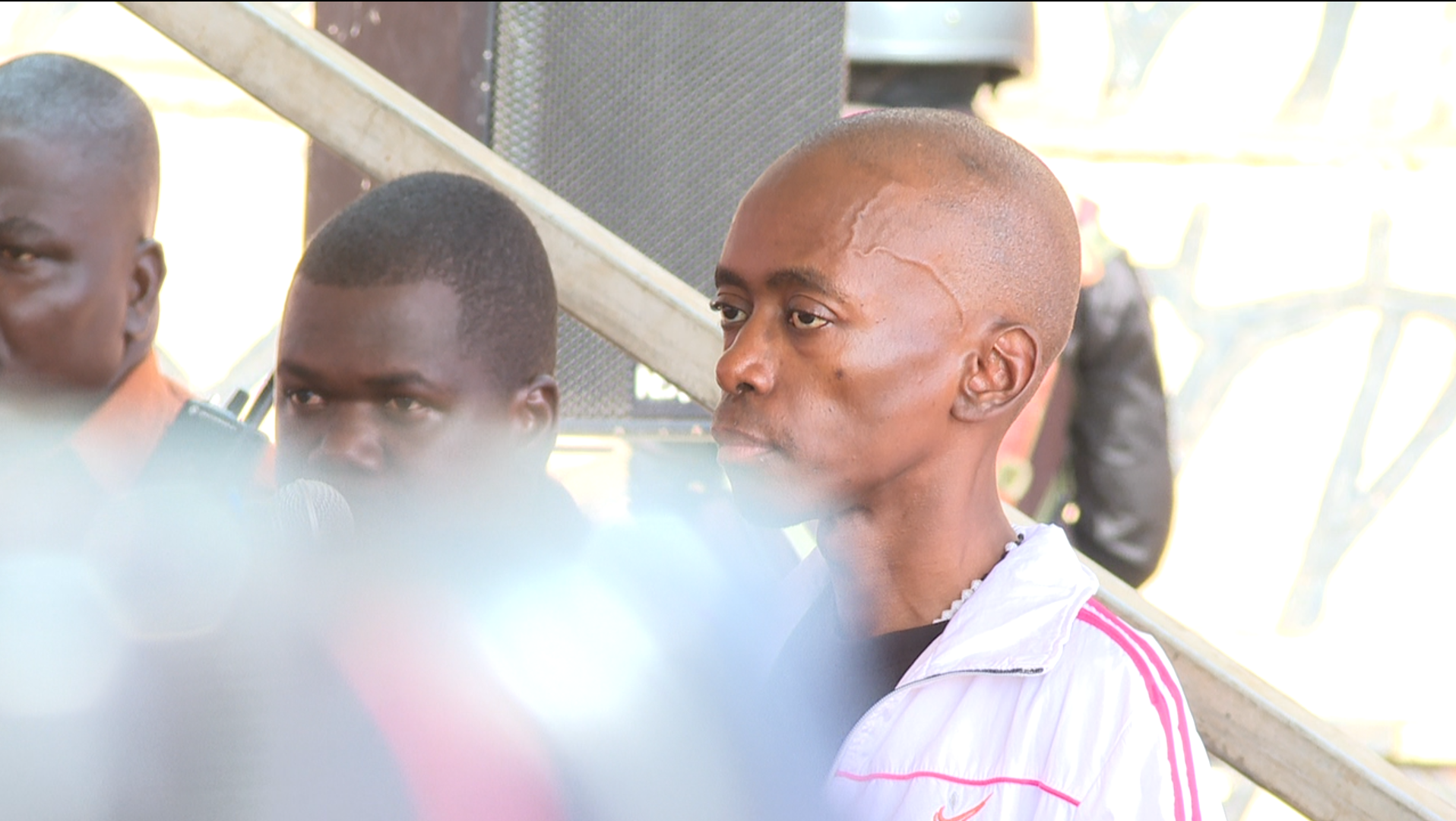
The High Court sitting at Maranatha High School grounds near the crime scene where four toddlers were allegedly killed by prime suspect Onyum Christopher Okello has entered day three with the prosecution presenting more witnesses to testify before court.
The prosecution presented Mukasa Paul, a resident of Ggaba Bunga who works in Owino Market selling shoes and Mackey Joel, a resident of Kisaasi Kigoowa in Nakawa Division, Kampala District and an estates manager at Sanwiza Estates Limited.
During cross examination, Mukasa Paul confirmed to court that he knew the accused as Onyum Christopher Okello. He testified that in November 2025, Okello approached him at his home in Bunga seeking to rent a house. Mukasa informed him that rent was Shs 150,000 with an additional Shs 20,000 for electricity.
Okello reportedly said he needed the house for one month. However, Mukasa informed him that he was required to pay for three months initially. Okello negotiated to pay for one month and promised to clear the balance after a week which he later did in cash. Mukasa offered to issue a receipt but Okello declined. Okello then began occupying the house.
Mukasa told court that at the time of his testimony, Okello was no longer a tenant stating that he had left in the first or second week of March 2026.
Mukasa described Okello as a very good person who would leave home, greet children by touching them and then depart. He added that the children did not understand the language Okello spoke. He also testified that Okello would ask a maid in the neighborhood to wash his trousers, cups and plates for which he would pay.
Mukasa further informed court that Okello’s mother visited him about three times staying briefly each time though he did not pay attention to their conversations.
When asked about other observations, Mukasa stated that Okello would leave home with a jerrycan to fetch water and return and that he did not exhibit any irrational behavior.
During cross examination, the defence lawyer asked Mukasa for proof that Okello had rented his house. Mukasa said he had none but maintained that they stayed in the same compound. He also stated that he would leave for work between 12:30 pm and 1:00 pm and return at around 4:00 pm.
Mukasa described the rental setup as comprising about eight units facing each other.
The presiding judge asked whether Okello eventually paid the required rent. Mukasa confirmed that Okello paid for three months stayed for that duration, and only spent about one week into the fourth month before leaving.
Mukasa further testified that he advised Okello to report to the LC1 chairperson after making payments. Okello later told him that he had done so though Mukasa did not know what kind of work Okello did.
The defence lawyer asked whether Mukasa personally introduced Okello to the LC1 chairperson. Mukasa said he did not.
The judge then directed Mukasa Paul to step down after being recorded as Prosecution Witness 10 (PW10).
The second prosecution witness, Mackey Joel then took the stand. Joel confirmed that he knew the accused as his tenant in Kyanja. He testified that in March 2026, Okello approached him with a broker seeking to rent a house.
Joel informed him that rent was Shs 400,000 per month and required a minimum payment of four months totaling Shs 1,600,000, which Okello agreed to. Okello was presented with a tenancy agreement, which he read before inquiring about payment.
Joel explained that he does not receive cash directly and that Okello was required to pay Shs 100,000 to the broker as commission and deposit the rest in the bank. Okello deposited Shs 1,500,000 and returned with a bank slip then paid Shs 100,000 in cash for the broker.
Okello signed the tenancy agreement and presented identification, including an American passport and a U.S. driver’s license. Joel then handed him the keys allowing him to occupy the house.
Joel testified that he later arranged to introduce Okello to the LC authorities. Okello agreed and they traveled together by motorcycle to the LC chairperson’s residence. Along the way, Okello asked how he could direct someone to his residence, Joel advised him to refer them to Kyanja. Okello also mentioned that he had previously stayed in Ggaba and spent most of his time in the United States.
At the LC chairperson’s home, both introduced themselves. The chairperson recognized the property and issued a document confirming the introduction.
Joel and Okello returned to Kyanja, at the house. Okello asked whether Joel needed some fuel, Joel said he had fuel.
Joel and Okello returned to Kyanja at the house, Okello asked whether Joel needed some fuel, Joel said he had fuel and left.
After 2 days, Okello called requesting a copy of the tenancy agreement. Joel informed him he would deliver it and Okello suggested that if he was absent, it could be left with the security guard.
Joel stated that he had initially not delivered the agreement because it had not yet been signed by the landlord. Once the landlord signed it, Joel delivered the completed document to Okello.
Joel confirmed that he retained copies of the tenancy agreement and the LC introduction letter.
He further testified that he later received a call from defence personnel in the area informing him that Okello had allegedly committed an offence in Ggaba involving the killing of toddlers at a school. He was asked to go to the house with spare keys.
Upon arrival, he found police officers and Okello in handcuffs. Police requested him to open the house explaining that Okello had claimed to have lost his key.
Joel opened the house in the presence of police and defence personnel. A search was conducted during which various items were recovered, documented and taken away by police. The house was then locked again.
Joel stated that he was asked to sign a search certificate listing the recovered items.
When asked to recall the items, Joel mentioned two laptops, a flash drive, foil containing papers, knives (number unspecified), two phones and documents.
The prosecution presented the search certificate which Joel identified and read in court including the date of 3rd April 2026 where he signed as number nine. The court accepted the certificate.
Joel also identified copies of the LC introduction letter, tenancy agreement, passport and driver’s license presented by the prosecution.
However, the defence objected to the admissibility of these documents arguing that Joel was not their author and that the documents lacked certification and proper signatures thus questioning their credibility and integrity.
In response, the prosecution argued that Joel witnessed the execution of the documents and was therefore competent to identify them. They also noted that the originals were in custody of the accused and that the copies had been recovered by police.
The High Court Judge Alice Komuhangi ruled that the tenancy agreement could not be admitted as an exhibit because the witness was not a signatory and his name did not appear on it. Similarly, the LC1 letter lacked the witness’s name and could not be admitted as evidence. However, both were accepted for identification purposes only.
During further cross-examination, Joel stated that between the time Okello occupied the house and the time he was called to open it for police, he had only met him twice.
Court was adjourned to 9:00 am on 17th April 2026, when proceedings will resume with continued testimony from Mackey Joel. Okello was remanded to Luzira Prison.

The Writer is a Senior Reporter, share leads via Kaahwaivan@gmail.com


