News
Why Ssemujju’s Attack on Sudhir Over Government Rentals Misses the Point

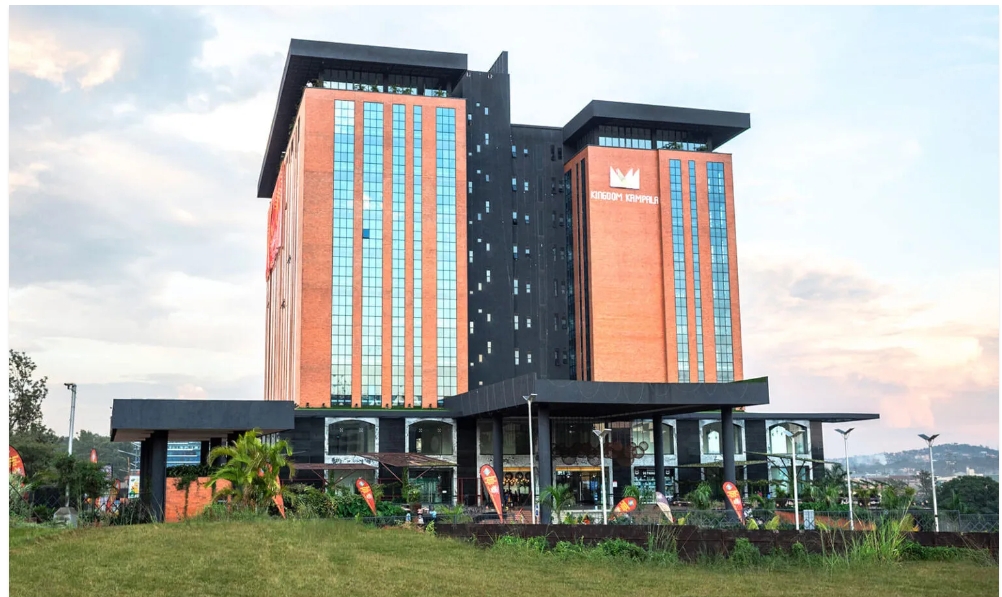
There is much to admire in the persistence with which Hon Ibrahim Ssemujju Nganda, the former Member of Parliament for Kira Municipality, has pursued questions about how government spends public money, for the scrutiny of public expenditure sits at the very heart of good governance and keeps officials answerable to the citizens they serve.
President Yoweri Kaguta Museveni has himself stressed time and again that the war on corruption and the abuse of state resources is a shared duty, warning that a society which looks away from wrongdoing eventually pays the price for its silence.
Yet a careful look at Hon Ssemujju’s recent television presentation on the rental agreements through which government occupies properties owned by businessman Dr Sudhir Ruparelia raises a question that he never quite answered. At no point did he establish that it is unlawful for the state to rent premises from a private investor, nor did he cite any clause of the Public Procurement and Disposal of Public Assets Act that bars an individual or company from holding several contracts with government.

Instead, much of the argument leaned on emotion, leaving the unfortunate impression that an investor who does business with the state is somehow doing something improper. That framing does a disservice to a class of citizens who underpin national development through their taxes, their payrolls and the infrastructure they put up.
Dr Sudhir is among Uganda’s best known homegrown investors. His story began modestly when he returned home with savings earned from odd jobs in the United Kingdom and ploughed them into real estate, education, hospitality and agriculture, putting up facilities that have since been used by both private institutions and public agencies.
Governments the world over routinely lease buildings from private owners whenever their own stock of offices falls short, and Uganda is no exception. The use of privately held premises has allowed public services to keep running while state facilities are either built or expanded.
Indeed, government has steadily invested in its own infrastructure over the years, including landmark projects such as the Uganda Police headquarters and other buildings under the Justice, Law and Order Sector. Until enough public premises are available, renting suitable private buildings remains a sensible stopgap.
It is also worth recalling that government does not rent from Dr Sudhir alone. A range of private owners and even cultural institutions, the Buganda Kingdom among them, have leased premises to state bodies over the years, arrangements that are widely accepted so long as they conform to procurement rules.
The real issue, therefore, is not whether Dr Sudhir happens to own several buildings occupied by government. It is whether the procurement that led to those tenancies was transparent, competitive and compliant with the law. Where there is evidence of impropriety, it should be investigated without fear or favour. Where there is none, public debate should resist the temptation to cast investors as villains.
Beyond his businesses, Dr Sudhir has also bankrolled a string of charitable causes through the Ruparelia Foundation, from community support and donations to cultural institutions to health outreach aimed at ordinary Ugandans.
Citizens, journalists and political leaders must keep demanding openness and accountability from those who handle public funds. At the same time, the country cannot afford to forget the part investors play in driving growth. Criticism is healthy when it rests on facts, evidence and the law, but it becomes harmful when it relies on narratives that scare away the very investment Uganda is courting.
Hon Ssemujju’s concerns may well be sincere. But a debate about government contracts is best anchored in questions of procedure and compliance rather than in portraits of investors as adversaries. Uganda needs accountability and investment in equal measure if it is to keep moving forward.
Send Us Your Story
If you would like your article or opinion published on The New Light Paper, one of Uganda’s trusted news platforms, send your submission to thenewlightpaper@gmail.com.