
Politics
Security Agents Hunt NUP’s Kadaama as Post-Election Crackdown Widens

By Our Reporter
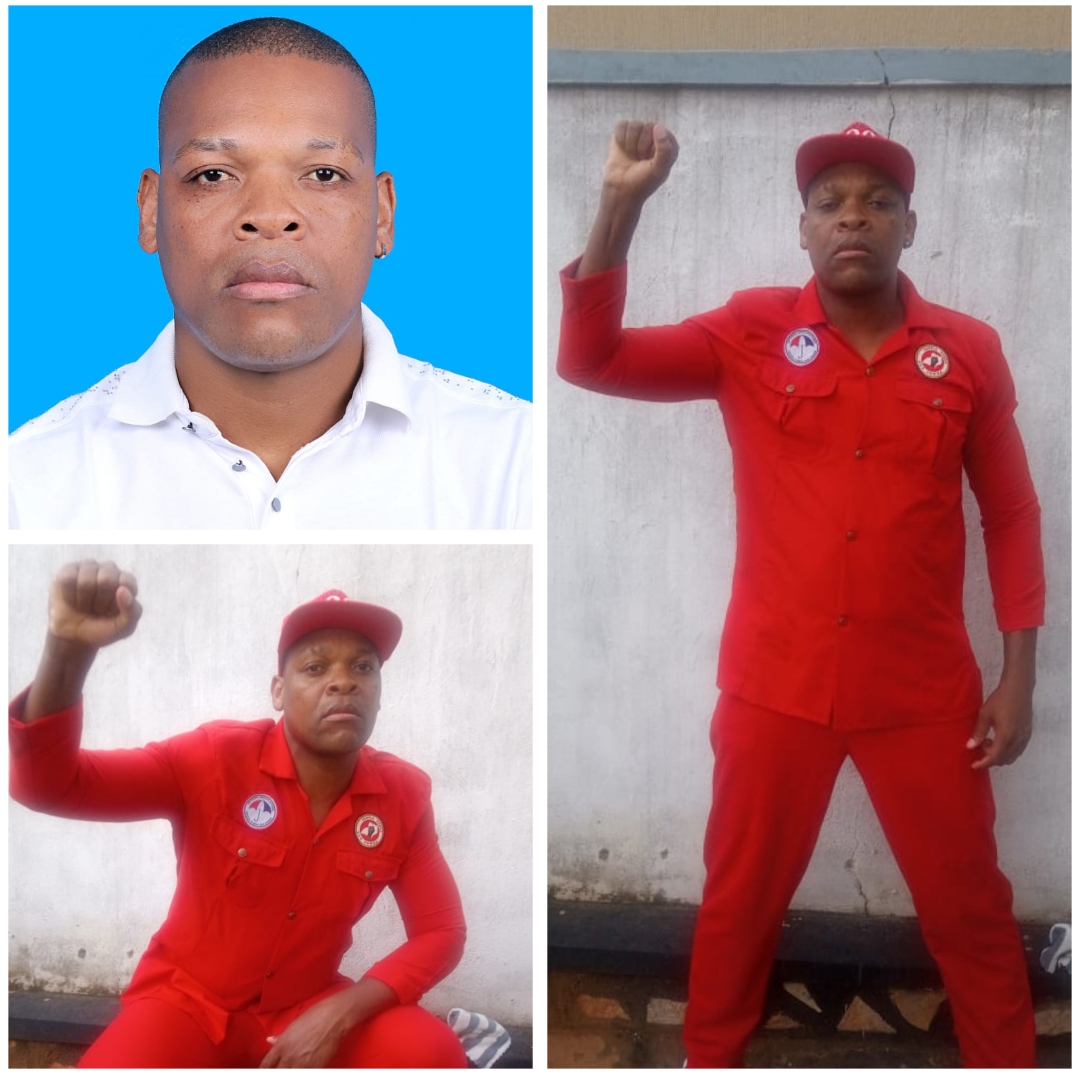
John Baptist Kadaama, a member of the National Unity Platform party, has gone into hiding following what sources close to him describe as a sustained and deliberate effort by Ugandan security operatives to locate and apprehend him, part of a broader pattern of post-election persecution that has left dozens of opposition members arrested, abducted or fleeing for their lives since the conclusion of the January 15 presidential election.
Kadaama’s disappearance from public life comes at a moment when Uganda’s political landscape, particularly for those aligned with the opposition, has been defined by fear. The swearing-in of President Yoweri Kaguta Museveni, scheduled for May this year, has been preceded by what multiple sources and human rights observers describe as an intensified campaign to silence, detain or neutralise individuals associated with opposition political structures, especially those within the National Unity Platform.

Those familiar with Kadaama’s situation say he became aware that security operatives were making inquiries about his whereabouts in the weeks following the election, a period during which NUP’s national leadership has documented scores of arrests, enforced disappearances and targeted detentions of party members across the country. Rather than wait for a knock on the door that might never announce itself, Kadaama chose to move before they found him.

His case unfolds against a backdrop that has become distressingly familiar to NUP members. Among the most widely documented incidents is that of Fauzia Natabi, also known as Maama Kyeyune, the wife of Najja Sherif, personal assistant to NUP president Robert Kyagulanyi. She was abducted by armed men and held incommunicado for 35 days before being produced at the Chief Magistrates Court in Kanyanya, charged with using a phone to threaten a stranger, appearing just hours after regime officials filed affidavits swearing they had no knowledge of her whereabouts.
At around 11:30 p.m. on January 14, soldiers separately detained Jolly Jackline Tukamushaba, the party’s deputy president for Western Uganda, at a hotel in Muhanga. Tukamushaba, who was running for a parliamentary seat and was at the time working with her daughter and two supporters to finalise election documents, was taken without warning on the eve of polling day.
On January 15, NUP secretary general David Lewis Rubongoya posted on X that armed men had taken Lina Zedriga Waru, the party’s deputy president for Northern Uganda, from her home on the outskirts of Kampala.
Bobi Wine, whose own residence in Magere, Wakiso District was besieged by the army and police on January 16, the day after the election, has since gone into exile, citing threats to his life.
Political analysts both within the country and abroad contend that the persecution has expanded beyond Uganda’s borders to include Ugandans in the diaspora, a reach they say is facilitated by the controversial Protection of Sovereignty Bill currently being pushed through Parliament.
The bill, if enacted, would further empower the state to pursue opposition activities wherever they occur.
The case of Douglas Mwanya offers a window into the history that often precedes these situations. A former FDC member who later joined NUP, Mwanya was arrested alongside other party members in 2016 following the presidential election in which retired Col. Dr. Kizza Besigye contested against Museveni.
Detained at Seeta Police Station and later released on police bond, he subsequently missed a scheduled court appearance due to health concerns, after which a warrant was issued by the Chief Magistrate’s Court of Makindye. He left Uganda later that year, citing continuous threats and repeated visits by security officers to his former home in Seeta, Goma Division, Mukono District.
In 2020, while in the diaspora, he joined NUP and remained active in civic engagement and party activities through to the 2026 election, a fact that sources believe may have renewed official interest in his location.
For John Baptist Kadaama, the question is no longer one of political participation but of personal safety. His supporters say he is a committed party member whose only offence is his association with a political movement that continues to command significant popular support despite the pressures brought to bear against it. Bobi Wine has said publicly that these cases form a consistent pattern, not isolated incidents, but a deliberate strategy to silence opposition voices through fear, physical removal and legal harassment.

As Museveni’s fifth term begins to take formal shape, the fate of individuals like Kadaama sits at the centre of a deepening question about the boundaries of political dissent in Uganda.
For now, Kadaama remains out of sight. Whether he will eventually surface in a courtroom, in exile, or return to open political life when conditions allow, no one close to him is willing to say.


