Politics
Ugandans Rally Behind Dr. Muganga As Citizenship Row Threatens His Ministerial Bid

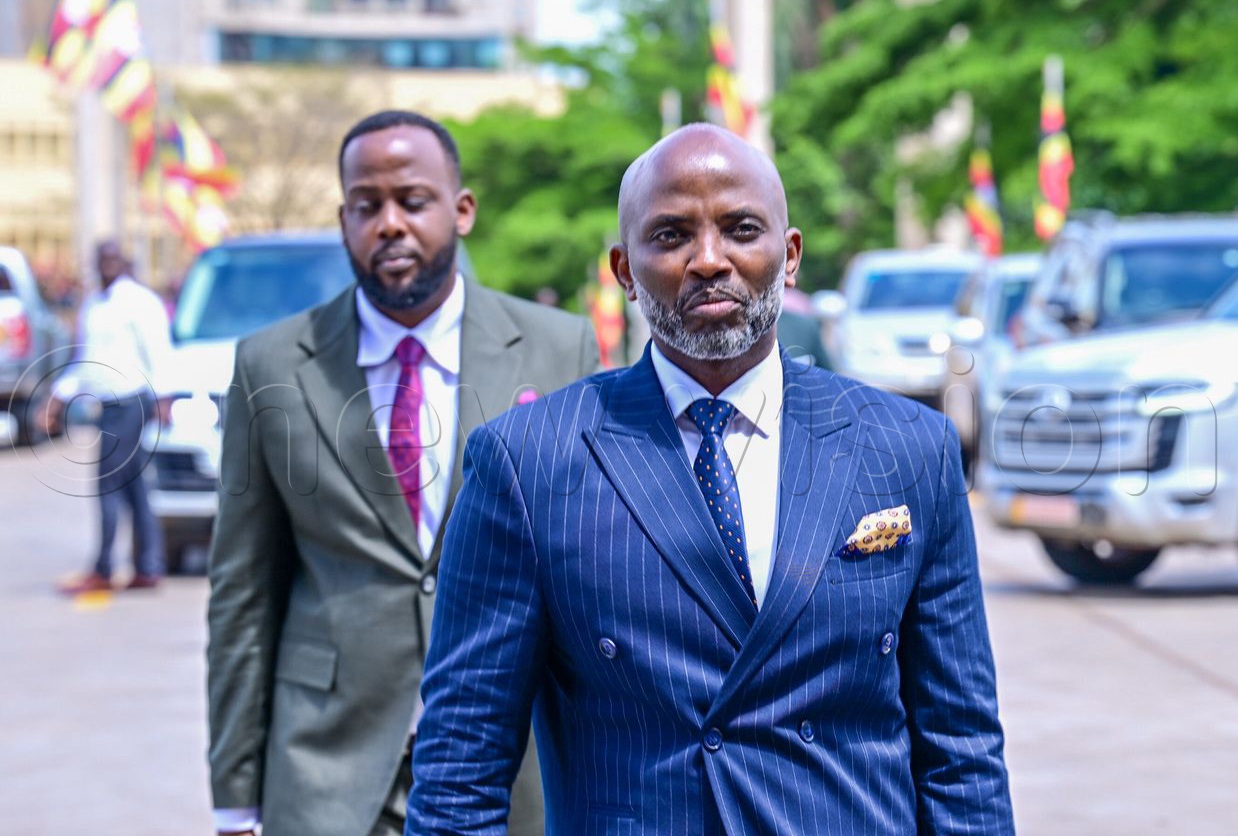
The nomination of Dr. Lawrence Muganga as Minister of State for Internal Affairs has ignited a national conversation that stretches well beyond one man’s appointment, raising pointed questions about what it truly means to be Ugandan and whether past citizenship should bar an accomplished citizen from serving his country.
At the centre of the storm is Muganga, the Vice Chancellor of Victoria University and one of the country’s most recognised figures in higher education. Rather than retreat from the scrutiny, he has confronted it directly, insisting that his identity has never been in doubt and that he has hidden nothing about his journey.
“Ndi Munyarwanda and Banyarwanda are among the tribes in Uganda. That is a simple fact. I am not Rwandese,” he said, addressing the swirl of questions about his origins.

Muganga has also been candid about the years he spent abroad, explaining that he once carried two passports before returning home, a reality familiar to thousands of Ugandans who study and build careers overseas. “Before I came here, I definitely had two citizenships, that’s the Ugandan citizenship and the Canadian citizenship. Many Ugandans do that. But that does not take away one’s love for the country. I am Ugandan. Uganda is my country,” he said.
For a growing number of Ugandans, the noise around his nationality threatens to drown out what they consider the more important record: his work. Through his leadership in the education sector, Muganga has pushed for innovation, digital transformation, and practical skills training, equipping young people for an economy that is changing faster than the classrooms meant to prepare them for it.
That contribution, his supporters argue, is precisely the point. They contend that Uganda has long drawn strength from citizens who acquired knowledge and exposure beyond its borders before bringing that expertise back home, and that Muganga embodies the kind of returning talent the country should be welcoming rather than turning away.
The dispute has also drawn in legal minds who see in it a deeper constitutional question. Lawyer Rashid Ssemambo has argued that the Constitution itself offers the clearest measure of who may hold public office. He points to Article 80, which sets out the qualifications for a Member of Parliament as including Ugandan citizenship, and Article 113, which allows ministers to be appointed from among Members of Parliament or those qualified to be elected as such.
Ssemambo’s reading is that the Constitution does not openly shut out dual citizens from ministerial appointment, and that any ordinary law attempting to impose such a bar could collide with the broader protections the Constitution guarantees. He adds that where a statute conflicts with the supreme law, it falls void to the extent of that conflict, a principle that could prove decisive should the matter reach the courts.
While that interpretation still awaits the test of legal scrutiny and possible judicial determination, it has sharpened a wider debate about whether Uganda’s citizenship laws have kept pace with a world in which movement, migration, and multiple loyalties have become ordinary. Many observers recall that dual citizenship was written into the country’s legal framework for a deliberate reason, to keep Ugandans in the diaspora tethered to home while channelling their skills, investments, and experience back into national development.
Some political commentators believe the conversation has been framed too narrowly. The real measure, they suggest, should not be the technicalities of which passport a person once held, but rather merit, ability, and a demonstrated willingness to serve. By that yardstick, they argue, Muganga’s career as a reform-minded educator who has promoted entrepreneurship and youth empowerment speaks loudly enough.
As the appointing authority weighs its next move, the country is watching with more than passing interest, aware that the decision could shape not only one nomination but the place of returning citizens in public life for years to come.
For those who back him, the closing argument is simple: a Ugandan who came home, invested his talent in his country, and offered to serve at its highest levels should be judged by what he has built, not by where he once lived.
Send Us Your Story
If you would like your article or opinion published on The New Light Paper, one of Uganda’s trusted news platforms, send your submission to thenewlightpaper@gmail.com.