Breaking News
Kotido Water Boards Trained to Tackle Rural Water System Breakdowns


By Richard Onapatum
KOTIDO, Uganda — Water supply boards in Kotido District have been trained to improve the management and maintenance of rural water systems, amid concerns that poorly managed facilities can leave communities without reliable access to safe water.
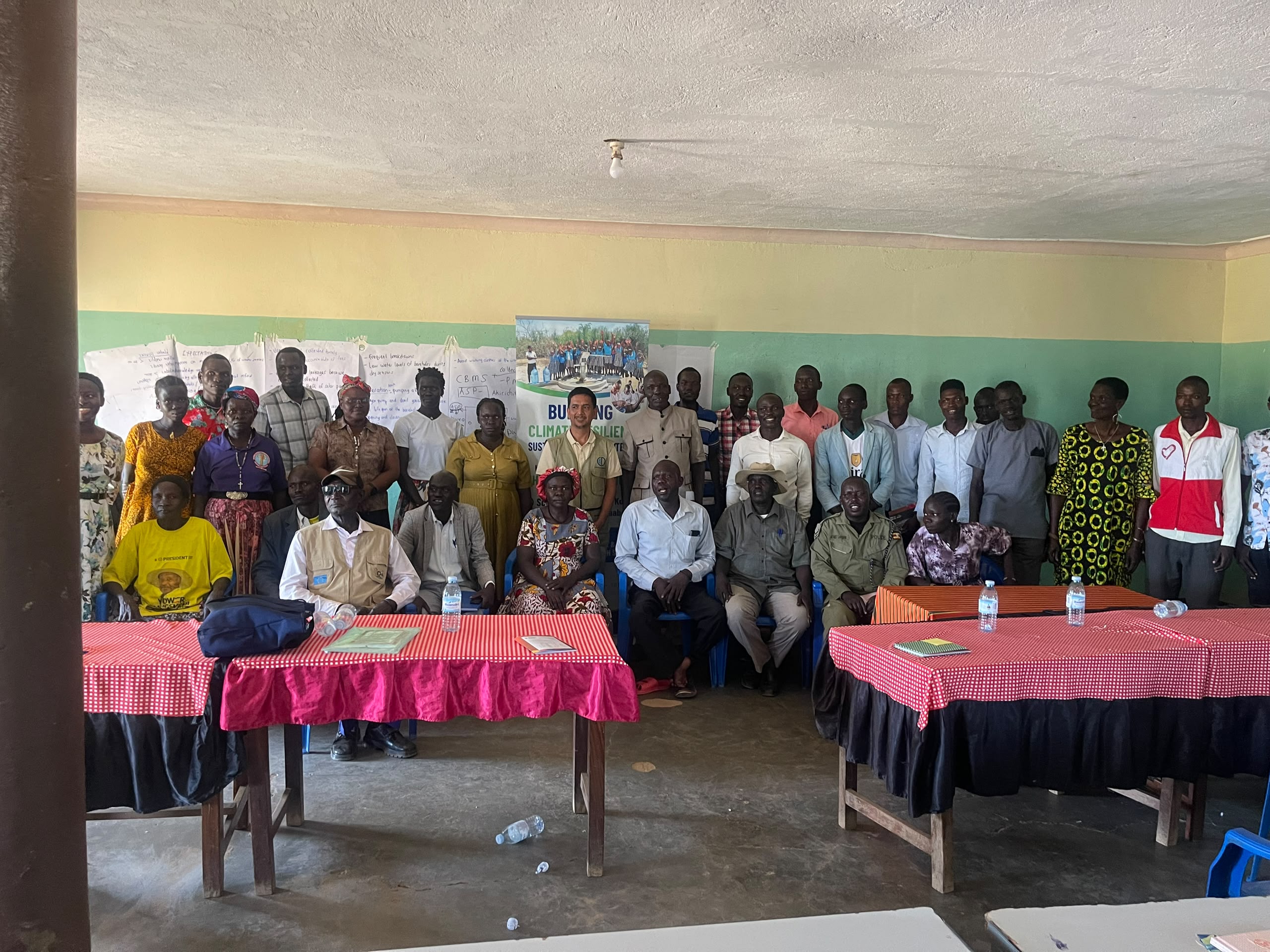
The training, conducted by C&D North Karamoja at Discovery Hotel in Kotido, focused on strengthening the capacity of water committees and supply boards to manage facilities, coordinate repairs and keep water systems operational throughout the year.

A key objective is to enable the boards to respond to breakdowns and restore water supply services within 24 hours, where technically feasible.
Daniel Emadu, Senior Environment Officer at the Ministry of Water and Environment, led the technical sessions, which covered maintenance challenges, the legal and policy framework governing rural water services, existing management approaches and the national operation and maintenance framework.
Emadu challenged water committee members to assess whether their existing management practices were sufficient to address the challenges affecting rural water supplies.
“If you don’t manage these water facilities, people will access water in bad areas,” he cautioned, highlighting the risks communities face when water systems fail.
He explained that effective operation and maintenance should prevent prolonged interruptions by identifying faults early and ensuring that repairs are undertaken promptly.
The training covered preventive maintenance, which involves identifying and addressing potential faults before they cause breakdowns, and corrective maintenance, which focuses on restoring systems after failures occur.
Participants also examined how water supply and sanitation boards could coordinate their activities and strengthen links with district technical teams and other structures responsible for water service delivery.
The training sought to operationalise water committees by clarifying their responsibilities in overseeing facilities, mobilising resources for repairs and ensuring that water infrastructure remains functional.

Fair charges, reliable services
Emadu also discussed the legal and policy framework governing water management, reminding participants of the public’s right to clean and safe water.
He urged committees to manage water facilities responsibly and ensure that charges remain fair, warning against practices that could force communities to seek water from unsafe sources.
The discussions emphasised that communities contribute towards the service of supplying water, including the costs of operation, maintenance and repairs, rather than simply paying for the water itself.
Such contributions need to be managed transparently and used to sustain the facilities.
Under the community-based management system, water committees and supply boards are expected to work with district technical teams to address breakdowns, coordinate maintenance and improve accountability.
Kotido District Water Officer John Paul Kedi thanked the funders and implementing organisations for supporting efforts to improve rural water service delivery.

Linking water access to child protection
The training forms part of wider efforts to build climate resilience and strengthen sustainable water, sanitation and hygiene (WASH) systems for the health and protection of children in Karamoja.
The programme, supported by the Korea International Cooperation Agency (KOICA) in partnership with UNICEF, covers interventions in Moroto, Abim, Kotido, Karenga and Kaabong districts.
Kul Chandra Timalsina, a Field coordinator with C&D Karamoja region, welcomed participants to the training and emphasised the importance of strengthening the capacity of water supply boards, district officials and other local stakeholders to manage water systems effectively.
Kula thanked UNICEF for supporting the programme’s second phase, noting that the intervention had expanded beyond schools to include health facilities. The expansion is intended to improve access to reliable water, sanitation and hygiene services in institutions that play a critical role in protecting children’s health and wellbeing.
Kula said the sustainability of water infrastructure depended not only on its installation but also on the ability of local management structures to operate, maintain and repair systems when challenges arise.
The training provided an opportunity for water supply board members and other stakeholders to reflect on existing management challenges, share experiences and strengthen their understanding of their responsibilities in keeping water facilities functional.
Kula emphasised that effective management of water systems would help schools and health facilities maintain essential services while ensuring that communities continue to access safe water.
Mary Namwebe of UNICEF provided an overview of the programme, describing it as a five-year initiative involving infrastructure development and capacity-building for health workers, local leaders and learners. Planned interventions include solar-powered water systems.
The programme builds on an earlier phase that reached 100 schools, while the second phase places greater emphasis on maintenance and the continued functionality of water infrastructure.
Reliable water supplies are essential to maintaining hygiene in schools and health facilities, protecting children from preventable health risks and supporting effective service delivery.
For Kotido’s water supply boards, the challenge now is to translate the training into practical improvements, ensuring that breakdowns are addressed promptly and communities do not have to resort to potentially unsafe water sources.
The effectiveness of the intervention will ultimately depend on whether local management structures can keep water systems running, account for maintenance funds and sustain services beyond the initial investment in infrastructure.
Send Us Your Story
If you would like your article or opinion published on The New Light Paper, one of Uganda’s trusted news platforms, send your submission to thenewlightpaper@gmail.com.