
Politics
NRN Backs Muhoozi’s Speakership Direction, Draws a Line in the Sand on Corruption Within the NRM

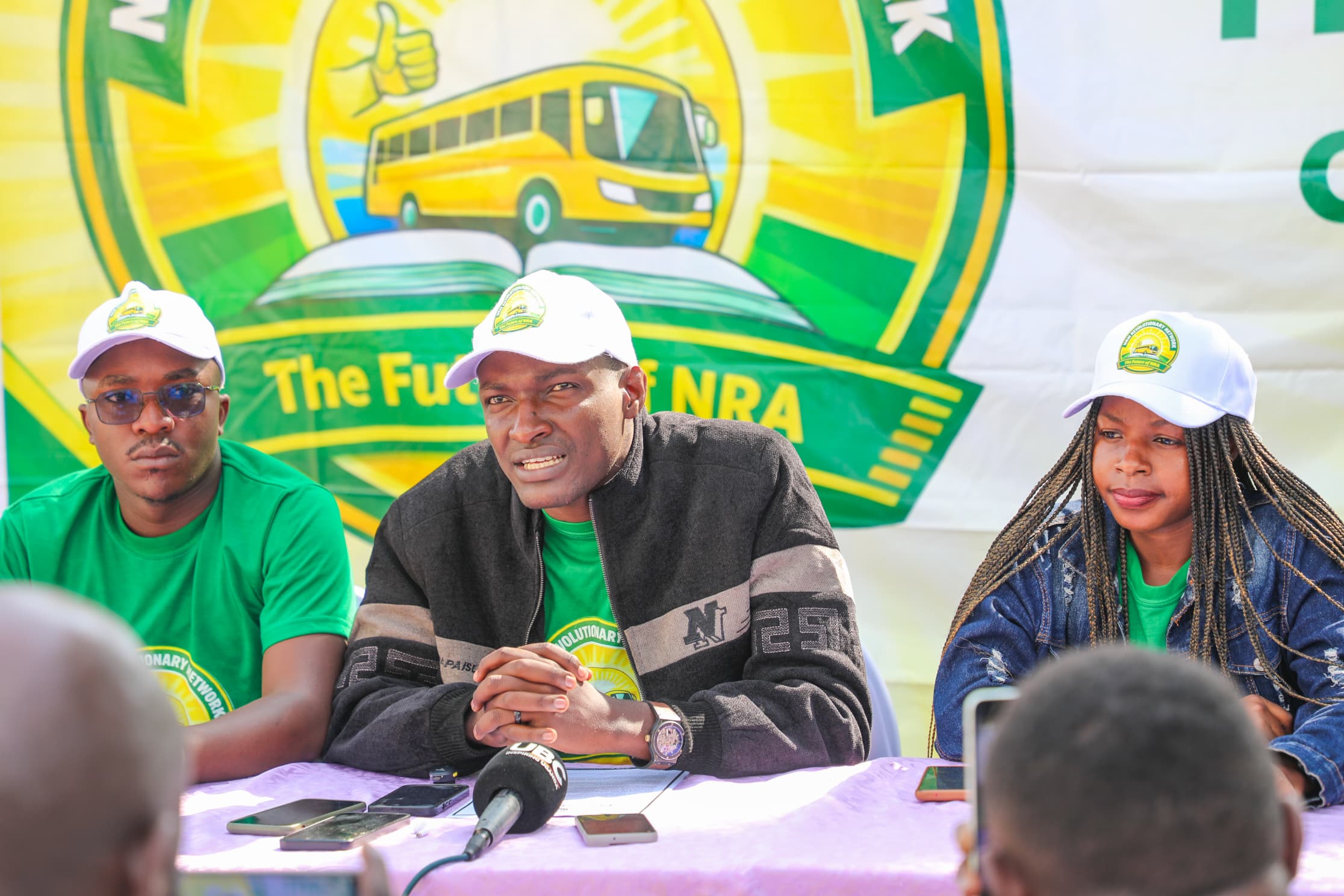
By Gad Masereka
KAMPALA — When the NRM Revolutionary Network issued its press statement on the morning of Friday, May 15, 2026, the language was careful but the intent was unmistakable. The youth-led pressure group within Uganda’s ruling party was not simply commenting on a parliamentary race. It was staking a claim — publicly, formally, and with the weight of an official seal — that the fight against corruption inside the NRM is not a political convenience to be switched on and off depending on which way the wind blows.
The statement, released for immediate publication under the NRN’s green-and-gold letterhead, welcomed the communication from Chief of Defence Forces General Muhoozi Kainerugaba regarding the NRM’s speakership candidature process. In doing so, the NRN aligned itself squarely with Muhoozi’s direction while being careful to acknowledge the Central Executive Committee as the party’s constitutionally rightful organ for final ratification. ‘We recognise the CEC as the rightful constitutional organ for final approval, and we respect its authority in this process,’ the statement read.


The context behind those measured words is anything but calm. For weeks, Uganda’s political class had treated the speakership of the 12th Parliament as effectively settled. The NRM CEC had endorsed sitting Speaker Anita Among and Deputy Speaker Thomas Tayebwa for another term. The Patriotic League of Uganda, Muhoozi’s powerful political movement, had backed the same duo in writing as recently as March. Then Muhoozi dramatically withdrew that endorsement, citing corruption concerns and directing PLU-affiliated MPs to await the President’s guidance before casting their votes.
The NRN used this moment not merely to echo Muhoozi but to remind the party — and the country — that its anti-corruption position predates the current political storm. ‘NRN has maintained a consistent position from the very beginning: that leadership selection within the party must prioritise integrity, discipline, service record, and an uncompromising stance against corruption,’ the statement declared. ‘We reaffirm that this has always been our standing position, not a recent convenience or reaction to political developments.’
That line carries particular significance. In Uganda’s political culture, where positions tend to shift with proximity to power, a group insisting that its principles are foundational rather than opportunistic is making a claim that deserves scrutiny — and that the NRN clearly anticipates will be scrutinised. The statement goes on to issue a direct challenge to the broader NRM leadership: ‘The current momentum must not be reduced to rhetoric. It must translate into real accountability measures that reach every corner of public administration where abuse of office, mismanagement, or enrichment through public resources has taken root.’
The NRN, which describes itself as an ideologically driven, youth-led platform and brands its mission as ‘The Future of NRA,’ has been building its reform agenda for some time. Earlier in the year, the group had publicly called for the speakership race to be decided by the full NRM Parliamentary Caucus rather than a small leadership circle, arguing that broader participation would produce more legitimate and accountable outcomes. That proposal gained little traction at the time but looks considerably more prescient now, given the turbulence that followed.
By the time the NRN’s statement landed on May 15, the political landscape had already shifted further. NRM had moved to endorse Jacob Oboth Oboth for the speakership, a development the NRN welcomed as consistent with the direction Muhoozi had communicated — provided it was followed through with the structural accountability reforms the group has long demanded.
What the NRN statement ultimately represents is something rarer in Ugandan politics than tactical maneuvering: an attempt to hold a ruling party to standards it has publicly proclaimed but inconsistently applied. The group closes its statement with three lines that function more as a mission declaration than a press release conclusion. ‘For accountability. For discipline. For a clean system.’ Whether those words translate into lasting institutional change, or dissolve into the next political cycle, will depend on whether groups like the NRN have the staying power to keep demanding them — long after the cameras have moved on and the speakership vote is history.