News
Child Protection Advocates Demand Dedicated Funding in 2027/28 National Budget

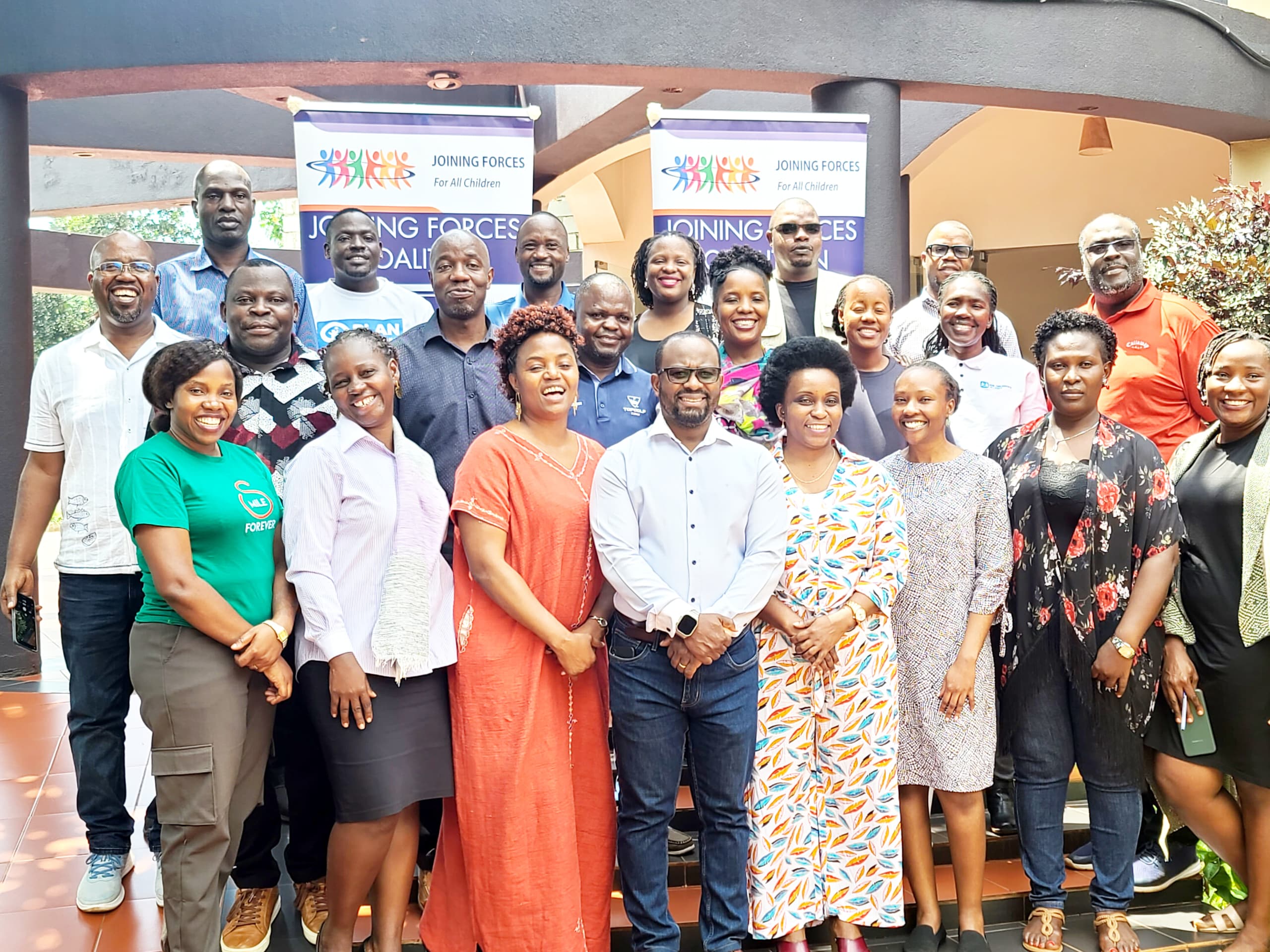
JINJA: The Government is being urged to put more money behind child protection programmes in the 2027/28 national budget, with civil society leaders warning that Uganda cannot effectively tackle sexual violence against children without addressing persistent funding gaps.
The demand emerged during a three-day meeting in Jinja where child rights organisations, government officials, cultural and religious leaders, economists and other stakeholders examined how child protection can be given greater prominence in the next national budget.

The meeting was organised by World Vision Uganda together with the Joining Forces Coalition and attracted more than 30 participants.

Rather than focusing only on existing laws and policies, the discussions turned to a more practical question: whether government institutions have the financial resources needed to prevent abuse, respond to cases and help children affected by sexual violence.
Budget becomes key battleground
Ms Irene Kagoya, Associate Director for Advocacy at World Vision Uganda, said the next budget cycle should be used to address the gap between Uganda’s child protection commitments and what is actually being implemented on the ground.
She said although there have been efforts to tackle sexual violence against children, the problem remains serious and requires continued investment.
Kagoya said civil society should approach the budget process with evidence-based proposals capable of influencing government spending priorities.
The focus, she said, should be on moving beyond policies and strategies to programmes that have money attached to them and can be monitored for results.
The 2027/28 budget process, she added, gives child rights organisations an opportunity to present concrete proposals to Government and push for stronger financing of prevention and response measures.
Ministry outlines route for funding proposals
Mr Emmanuel Omene, a Principal Economist in the Planning Unit at the Ministry of Gender, Labour and Social Development, told the meeting that stakeholders should use the existing government planning and budgeting framework to push for child protection priorities.
He said most child-related interventions are handled through the Human Capital Development Programme, meaning advocacy groups should identify specific gaps within existing programmes instead of developing separate systems.
Omene called on the organisations represented at the meeting to produce a joint issues paper detailing the interventions they want Government to consider during the budget process.
He also proposed a technical working group that would bring together key actors to develop and refine the proposals before they are presented to Government.
According to Omene, the effectiveness of the advocacy will depend on whether stakeholders can turn the concerns surrounding sexual violence into clearly defined interventions that can be costed, funded and monitored.
Scale of abuse remains a concern
Omene said the need for stronger investment is underscored by the extent of sexual abuse affecting children and adults in Uganda.
He cited figures indicating that one in three girls and one in six boys have experienced sexual abuse.
He also pointed to other statistics showing significant levels of sexual violence among Ugandans aged 15 to 49.
The economist said the nature of the threat is also changing, particularly with the rise of online platforms that expose children to new forms of sexual exploitation.
He said the response must therefore evolve alongside the risks facing children.
Busoga leaders seek greater community role
For cultural institutions, the response cannot be left to government agencies and development organisations alone.
Dr Joyce Abaliwano, Minister for Gender and Children Affairs in the Busoga Kingdom, said cultural institutions, religious bodies and families have an important role to play because of their influence at community level.
She called for development interventions to take greater account of what communities are experiencing instead of relying entirely on statistics.
Abaliwano also called for stronger coordination with security agencies and other institutions involved in handling child protection cases.
She recounted a case from Buyende District involving allegations that a girl had been sexually abused by three men in uniform and later encountered difficulties in pursuing justice.
She said the case demonstrated the need for stronger accountability and cooperation among institutions involved in protecting children.
Teenage pregnancy adds pressure
Abaliwano said the problem of teenage pregnancy in Busoga also requires greater attention because of its connection to school dropout, gender-based violence and sexual abuse.
She attributed some of the challenges to weaknesses within families and urged communities to strengthen parenting and guidance for children.
She said the Busoga Kingdom is using initiatives such as “Omusadha N’empangho” to promote responsible fatherhood and stronger family structures.
She also challenged stakeholders to pay greater attention to the dangers children face online, particularly as social media becomes increasingly influential in their daily lives.
Turning advocacy into budget lines
The Jinja meeting brought together organisations and institutions that have long campaigned for stronger child protection measures.
But participants said the next step should be to ensure that these demands are reflected in actual government expenditure.
They argued that laws, policies and strategies cannot produce meaningful results if frontline institutions lack the money required to implement them.
The challenge now is for the stakeholders to agree on priority interventions, estimate the resources required and present a coordinated case during the 2027/28 budget process.
For child rights advocates, the debate is no longer simply about whether Uganda recognises sexual violence against children as a serious problem.
It is about how much the country is prepared to invest in stopping it.
The outcome of the next budget process will therefore provide an important indication of whether child protection remains largely a policy commitment or becomes a properly financed national priority.
Send Us Your Story
If you would like your article or opinion published on The New Light Paper, one of Uganda’s trusted news platforms, send your submission to thenewlightpaper@gmail.com.