Business
London Court Battle Puts Crane Bank Takeover Under Fresh Scrutiny

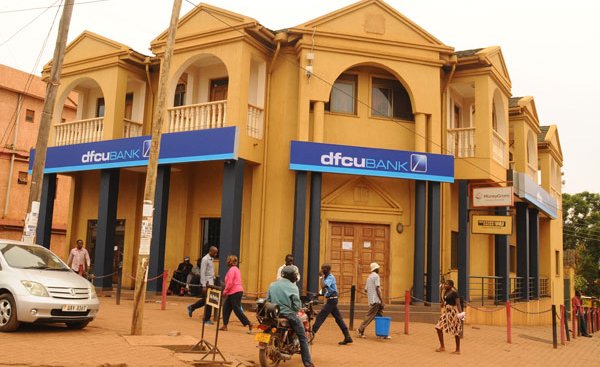
Nearly a decade after Crane Bank was taken over, the circumstances surrounding its collapse and the subsequent transfer of selected assets and liabilities to dfcu Bank are facing renewed scrutiny as litigation linked to the transaction proceeds before the High Court in London.
The dispute centres on allegations raised by former Crane Bank majority shareholder Dr Sudhir Ruparelia, who has challenged the process that led to the bank being placed under statutory management in 2016 and parts of its business being transferred to dfcu in January 2017.
Court filings cited in reports on the case raise allegations involving former Bank of Uganda supervision official Justine Bagyenda, former Crane Bank managing director Charles Mugerwa and former dfcu managing director Juma .

The allegations have not been established by the court, and the proceedings are expected to examine competing accounts of how the transaction unfolded.
Ruparelia’s case alleges that Crane Bank’s financial position was misrepresented and that actions taken before the transfer caused losses to the bank and its shareholders. He is seeking damages exceeding £170m.
The dispute has its roots in October 2016, when the Bank of Uganda took over Crane Bank and placed it under statutory management. Selected assets and liabilities were later transferred to dfcu Bank in a transaction that has remained one of the country’s most closely watched banking disputes.
Ruparelia has consistently maintained that the bank was solvent and has challenged the manner in which the resolution was handled.
dfcu, on the other hand, has previously maintained that the acquisition was conducted lawfully under Uganda’s banking laws and under the supervision of the central bank following regulatory concerns about Crane Bank’s capital position.
The legal battle therefore presents sharply different versions of events, with the court expected to consider evidence surrounding the bank’s financial condition, regulatory actions and the eventual transfer to dfcu.
The outcome matters beyond the commercial interests of the parties involved. Crane Bank was once one of Uganda’s largest indigenous financial institutions, and the questions raised by its closure have continued to resonate within the banking sector.
The case has also attracted attention because of its potential implications for confidence in bank regulation, shareholder protection and the procedures followed when a financial institution faces intervention by a regulator.
As proceedings continue in London, the court will be expected to determine the merits of the claims and responses presented by the parties. Until then, the allegations remain matters for judicial determination.
Whatever the eventual verdict, the case is set to remain an important chapter in Uganda’s recent banking history, reopening questions about accountability, transparency and how the country’s financial institutions are protected when major corporate disputes arise.
Send Us Your Story
If you would like your article or opinion published on The New Light Paper, one of Uganda’s trusted news platforms, send your submission to thenewlightpaper@gmail.com.