Business
Sudhir Ruparelia’s Crane Bank Claim Seeks Compensation as London Court Tests a Decade of Dispute

Sudhir Ruparelia and other former Crane Bank shareholders are seeking at least $225 million in compensation as their long running dispute over the bank’s takeover reaches a substantive trial in London, reopening questions that have remained contested since the institution was placed under Bank of Uganda control in 2016.
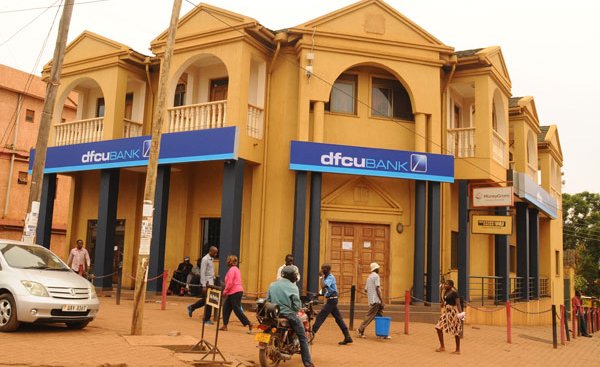
The claim, equivalent to more than £170 million, targets dfcu Bank and other parties connected to the transaction. It follows years of litigation in Uganda and the United Kingdom and comes nearly a decade after Crane Bank’s assets and liabilities were transferred to dfcu.

Ruparelia, who founded Crane Bank and was its majority shareholder, has consistently challenged the circumstances of the takeover. The claimants argue that the bank was transferred at a significant undervalue and that the process involved wrongdoing. The defendants dispute those allegations and maintain that the intervention followed concerns over the bank’s financial condition.
The new stage of the case is important because a claim is not the same as a court award. The compensation being sought represents the remedy the claimants are asking the court to consider. Whether any amount is eventually awarded will depend on the evidence and the court’s findings.
The dispute has survived several procedural battles. Arguments over whether the English courts could hear the claims went through the High Court and Court of Appeal, while an attempt to take the jurisdiction issue further was unsuccessful. The result was a pathway toward the substantive hearing now under way.
The case has also developed against the background of earlier Ugandan court proceedings. In one related matter, the Commercial Court dismissed a case involving Crane Bank after considering the legal position of the institution following the transfer of its assets. Other decisions have shaped the wider legal history surrounding the bank.
Crane Bank’s collapse remains important because it was once a major indigenous financial institution. Its network supported customers and businesses across Uganda, and its closure became one of the most prominent episodes in the country’s banking history.
For Ruparelia, the litigation has continued while his other businesses have expanded. The Ruparelia Group now has significant interests in property, hospitality, education and other services, meaning that the Crane Bank case sits alongside a broader commercial story rather than defining his entire business activity.
The London proceedings also have consequences for dfcu and the other defendants. Defending a complex international case requires substantial legal and management resources, while the financial statements of the acquiring bank have shown the broader cost of continuing litigation.
At stake, therefore, is not only the value of the claim but also the legal assessment of the events surrounding one of Uganda’s most consequential bank resolutions. The trial gives both sides the opportunity to present their evidence and challenge the other party’s account.
The proceedings are expected to continue for several weeks. Until the court reaches its conclusions, the allegations made by the claimants and the responses of the defendants remain contested positions.
For Sudhir Ruparelia and his fellow claimants, the hearing represents another major step in a legal campaign that has lasted almost a decade. For Uganda’s financial sector, it is an opportunity for a detailed judicial examination of an episode that continues to shape discussion about regulation, ownership rights and accountability.
Send Us Your Story
If you would like your article or opinion published on The New Light Paper, one of Uganda’s trusted news platforms, send your submission to thenewlightpaper@gmail.com.