
News
Joseph Kony and the Long Hunt for the LRA Leader

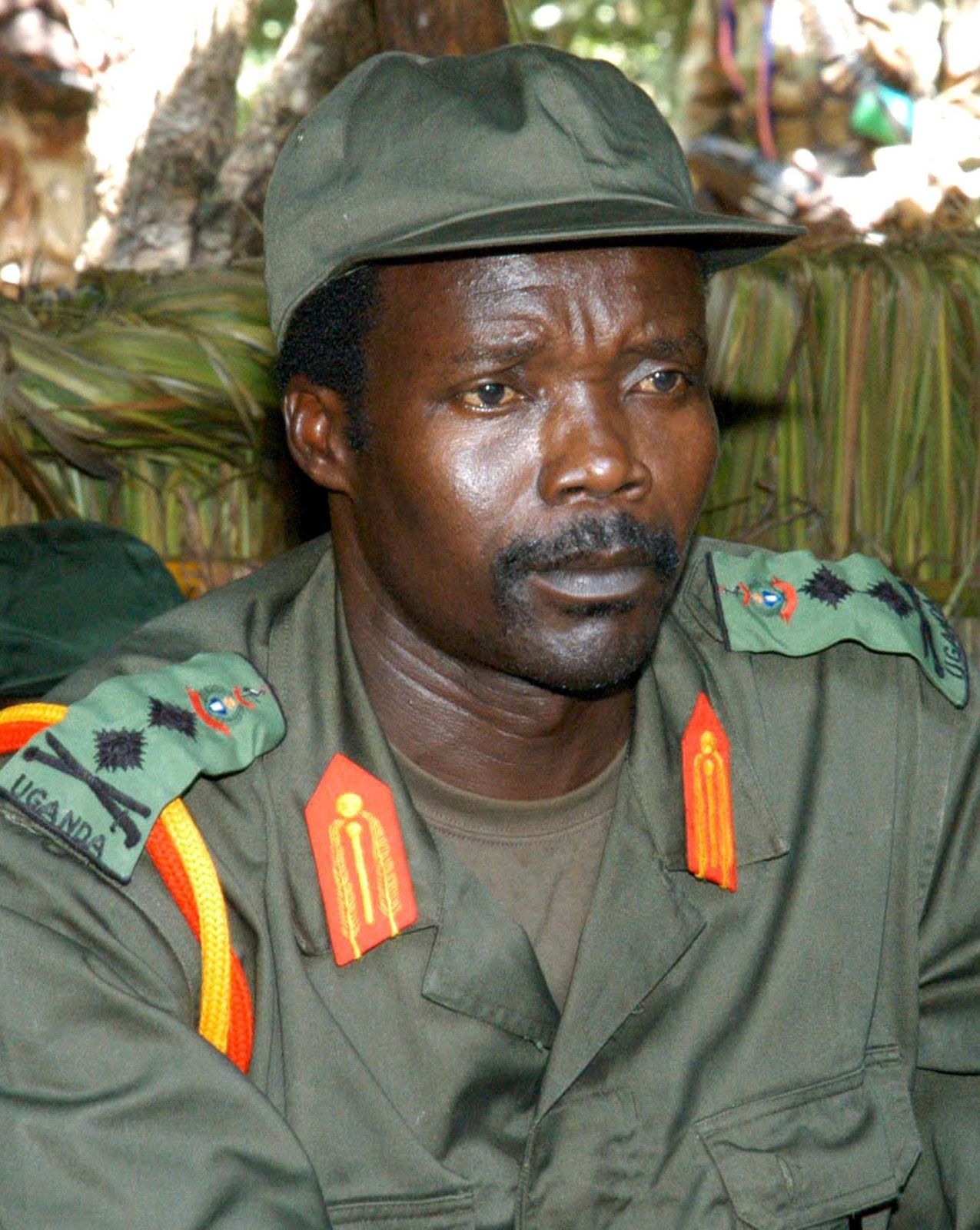
For more than two decades, Joseph Kony, the elusive leader of the Lord’s Resistance Army (LRA), has remained one of Africa’s most wanted fugitives.
Despite international arrest warrants, multi-country military offensives, and a multi-million-dollar bounty, Kony has managed to evade capture disappearing into the dense forests of Central Africa.
Here’s how he has stayed ahead of the manhunt for so long.
1. Remote and Lawless TerrainAfter being pushed out of northern Uganda in the mid-2000s by the Uganda People’s Defence Force (UPDF), Kony relocated his operations to the thick jungles spanning:
Democratic Republic of the Congo
Central African RepublicSouth Sudan
These border regions are vast, sparsely populated, and lack strong state control.
Poor infrastructure and limited communications made coordinated tracking extremely difficult.
The terrain itself dense forests, swamps, and isolated villages gave Kony natural cover.
2. Fragmented Rebel StructureKony rarely stayed with large groups of fighters.Over time, the LRA splintered into small, mobile units operating independently.
This structure:Reduced the chances of detectionLimited intelligence leaksAllowed quick dispersal under pressureBy the 2010s, intelligence reports suggested Kony was moving with a small, highly trusted security circle.
3. Use of Fear and Forced Loyalty
The LRA became infamous for abducting thousands of children and forcing them to become fighters, porters, or “wives.”
This tactic ensured loyalty through fear and isolation.
Many abductees had no way to escape or safely report Kony’s movements.
4. Weak Regional CoordinationAlthough regional armies backed at times by the United States launched operations against the LRA, coordination challenges slowed efforts.One of the largest offensives, Operation Lightning Thunder in 2008, targeted LRA bases in Congo but failed to capture Kony.
Instead, the group retaliated with deadly attacks on civilians.
Political instability in host countries also created safe havens where government control was limited.
5. Intelligence Failures and Missed Opportunities Kony has reportedly survived multiple near-capture moments.
But Intelligence was often outdated by the time forces arrivedCommunication gaps hindered rapid responseLocal mistrust limited cooperationIn 2005, the International Criminal Court (ICC) issued arrest warrants for Kony and other top LRA commanders on charges of war crimes and crimes against humanity.
Despite this, enforcement relied on regional governments many of which lacked capacity or political urgency to sustain long-term pursuit.
6. The Collapse of the ManhuntIn 2017, both U.S. and Ugandan forces officially ended dedicated operations against Kony, citing the LRA’s diminished capacity.
By then, the LRA had shrunk significantly. Kony was believed to be hiding in remote areas of the Central African Republic, possibly under the protection of local armed groups.Without sustained international pressure, the search effectively slowed.
Why He Remains at LargeJoseph Kony’s survival is the result of Geography Fragmented conflict zones Limited regional coordination Diminishing international attention His own secrecy and mobility Today, the once-feared LRA is largely weakened, but Kony has never faced trial.
For victims across northern Uganda and Central Africa, his continued freedom remains a painful reminder of unfinished justice.
