
Business
The Unseen Backbone of Uganda’s Economy: How Goldstar Insurance Keeps the Country Building Through Every Setback

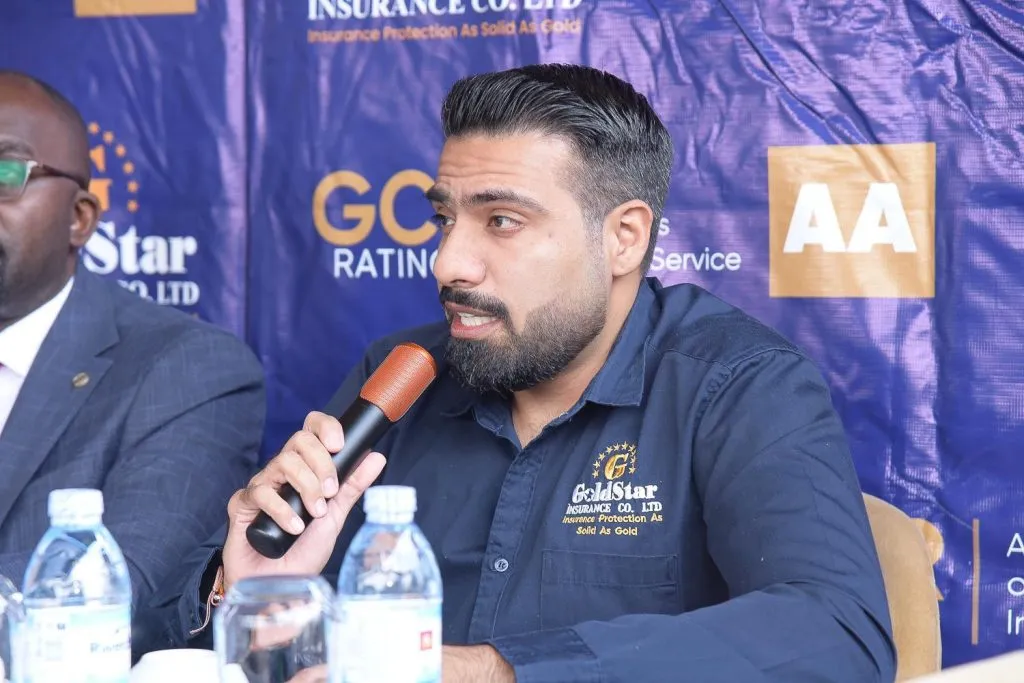
By Gad Masereka
Every major road that breaks ground, every factory that begins production, every consignment of goods that crosses an East African border carries with it a layer of financial protection that most people never pause to think about. In Uganda, for more than two decades, that protection has increasingly worn a single face: Goldstar Insurance Company, the country’s largest indigenous insurer and one of the private sector’s quietest but most consequential contributors to national development.
As Uganda pursues an accelerating agenda of infrastructure construction, industrialisation, and cross-border trade, the stakes attached to economic activity have risen sharply. A warehouse fire, a cargo loss in transit, or a serious workplace accident can erase months of work and wipe out substantial investment in a matter of hours. The businesses and institutions that drive Uganda’s growth do so with the confidence that comes from knowing risk has been professionally underwritten. For a growing number of them, that underwriting is Goldstar’s work.
Founded over 24 years ago, Goldstar has grown into Uganda’s largest indigenous insurance company through a process that mirrors how the most durable institutions are usually built: not through headline campaigns or aggressive marketing, but through the accumulation of trust earned in moments of genuine need. In a sector where the most important test is whether a company delivers when a client’s world falls apart, Goldstar’s reputation has been forged by claims honoured, businesses stabilised, and recovery made possible when it would otherwise have been unthinkable.
The company’s product range is a direct map of the economy it serves. Marine cargo insurance protects the traders and importers who keep Kampala’s markets stocked and Uganda’s shelves supplied. Engineering and contractor’s insurance provides the financial confidence that allows developers to take on large-scale infrastructure works that would otherwise carry unacceptable risk exposure. Group personal accident cover extends a measure of security to frontline workers whose physical wellbeing is the most direct input to their employer’s output. Each line of business is a response to a specific economic vulnerability, designed in close conversation with the realities of the Ugandan market rather than imported wholesale from a foreign template.
The company’s Chief Operations Officer, Enock Mudadi, has articulated Goldstar’s philosophy in terms that cut through the technical language of the insurance industry. Insurance, he has argued, is not simply a financial product. It is the mechanism by which recovery remains possible after events that no amount of preparation can fully prevent. It is what keeps Uganda building after a setback, rather than stopping entirely while the losses are absorbed.
That philosophy has attracted recognition well beyond Uganda’s borders. International Finance Magazine named Goldstar the Best Insurance Company in Uganda in 2015. The Global Trade Leaders Club presented the company with its International Award for Excellence and Leadership in 2017. The Insurance Brokers Association of Uganda has consistently endorsed the company’s standards of ethical partnership. These distinctions reflect not a single successful year but a sustained track record in one of the most trust-dependent industries there is.
In a country where insurance penetration remains low and public scepticism about the sector runs deep, Goldstar’s role extends beyond providing a commercial service. Every claim it honours is a small but real act of proof that the insurance model works, that paying a premium is not money lost but security genuinely purchased. As Uganda’s ambitions grow and the economic activities that carry them become larger and more complex, the institutions willing to absorb that risk will matter more, not less. Goldstar has spent more than two decades proving that it is one of those institutions. The country has every reason to keep building on that foundation.