
Business
Equity Bank Uganda Moves Core Systems to Raxio Data Centre, Drawing Praise from Bank of Uganda

By Gad Masereka
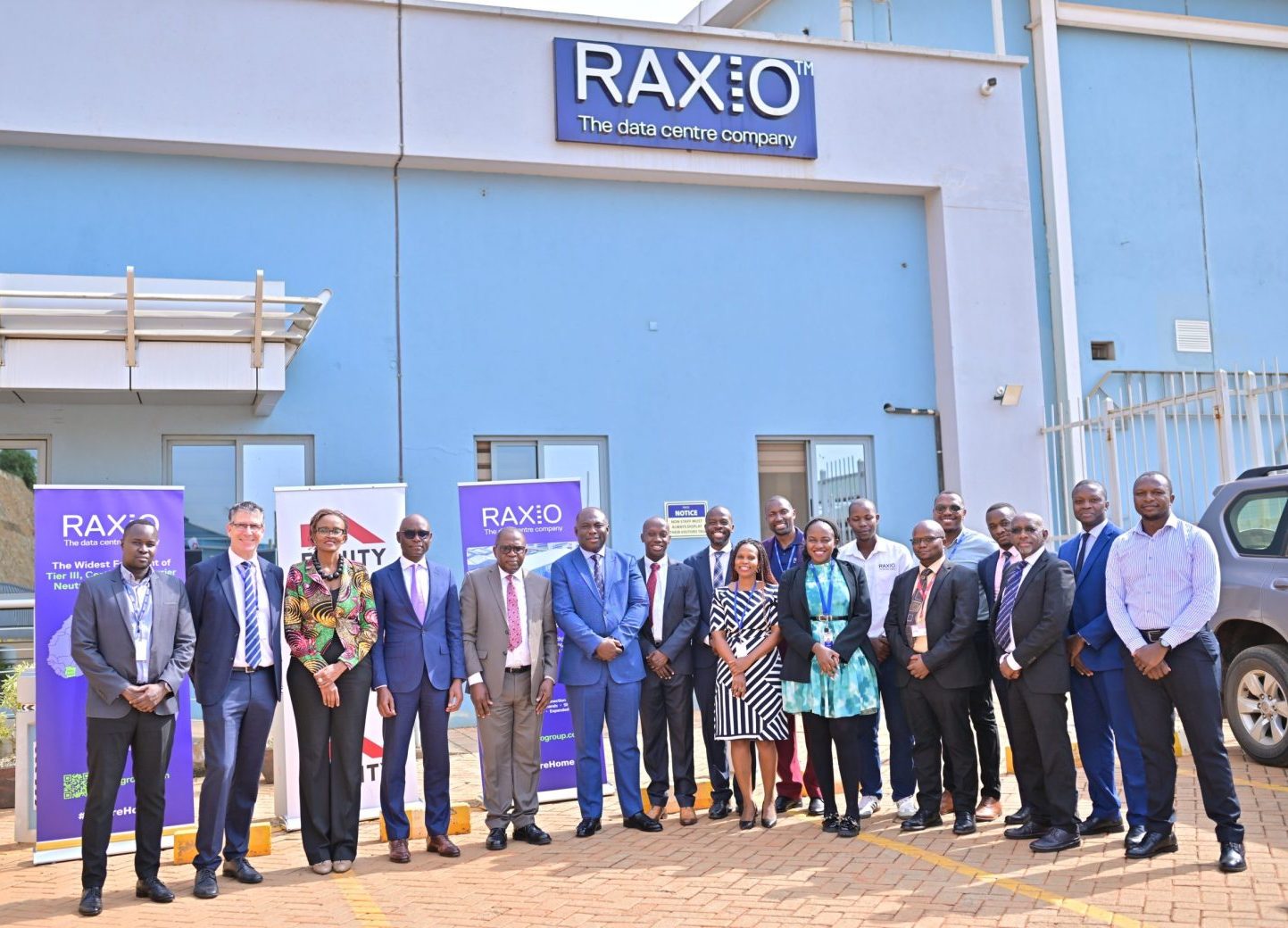
Tucked inside an industrial park in Namanve, about 20 kilometres east of Kampala, a newly commissioned data centre facility has quietly become the new home of Equity Bank Uganda’s entire core digital infrastructure. The bank announced on February 27, 2026, that it had successfully completed the migration of its critical systems to the Raxio Data Centre in Namanve Industrial Park, a move that Bank of Uganda officials described as a meaningful contribution to the stability of Uganda’s financial system.
The migration, which was finalised approximately one week before the public announcement on February 25, 2026, involved transferring the full stack of the bank’s operational technology to Raxio’s high-availability hosting environment. This was not a partial or hybrid arrangement. The bank relocated its core systems entirely to a locally owned, locally hosted facility, a decision that carries both technical and regulatory implications for how the institution manages customer data and ensures service continuity.
David Kalyango, Executive Director for Bank Supervision at the Bank of Uganda, underlined why such a move matters beyond the technology department. “Digital infrastructure today forms the backbone of the financial system. It is not merely a technology issue, it is a financial stability issue,” he said. He pointed out that disruptions at systemically important banks can cascade outward, affecting commerce, payments and livelihoods across the economy. A bank operating on robust, resilient infrastructure is, in his framing, a public good.
Claver Serumaga, Executive Director of Equity Bank Uganda, was candid about the short-term disruption involved. Customers experienced two days without access to the bank’s services while the migration was executed, and he acknowledged their patience with visible appreciation. The tradeoff, he argued, was worth it. “Our customers require secure, efficient banking at all times,” Serumaga said. “This move strengthens platforms like Equity Online for Business and enables real-time payments, collections, trade finance and treasury services.”
Among the operational benefits Serumaga highlighted was the reduction in latency that comes with local hosting. When data no longer has to travel to servers in distant locations, transaction processing becomes faster and more reliable. Disaster recovery capabilities are also strengthened because the bank now has direct physical access to its infrastructure and can respond quickly to incidents. “Establishing local capacity improves speed, reliability and safety while meeting growing demand for real-time banking,” he noted.
There is also a data sovereignty dimension to the decision. For a bank serving over two million customers, keeping that data within Uganda’s borders is not simply a preference but increasingly a regulatory expectation. Serumaga acknowledged this directly, stating that having control over client data was a critical consideration for the bank’s board when approving the investment. Caroline Kamaitha, General Manager of Raxio Uganda, added that high-availability environments enable institutions to innovate with confidence, knowing their foundational systems are protected.
The migration positions Equity Bank Uganda at a new baseline of operational resilience as it expands its digital product portfolio. For a financial sector that is deepening its reliance on real-time digital channels, the infrastructure behind those services is no longer a background concern. It is, as regulators and the bank itself now openly affirm, central to the promise that customers, businesses and the broader economy can depend on.