Education
Luweero Schools Seek More Classrooms, Staff As Enrolment Grows

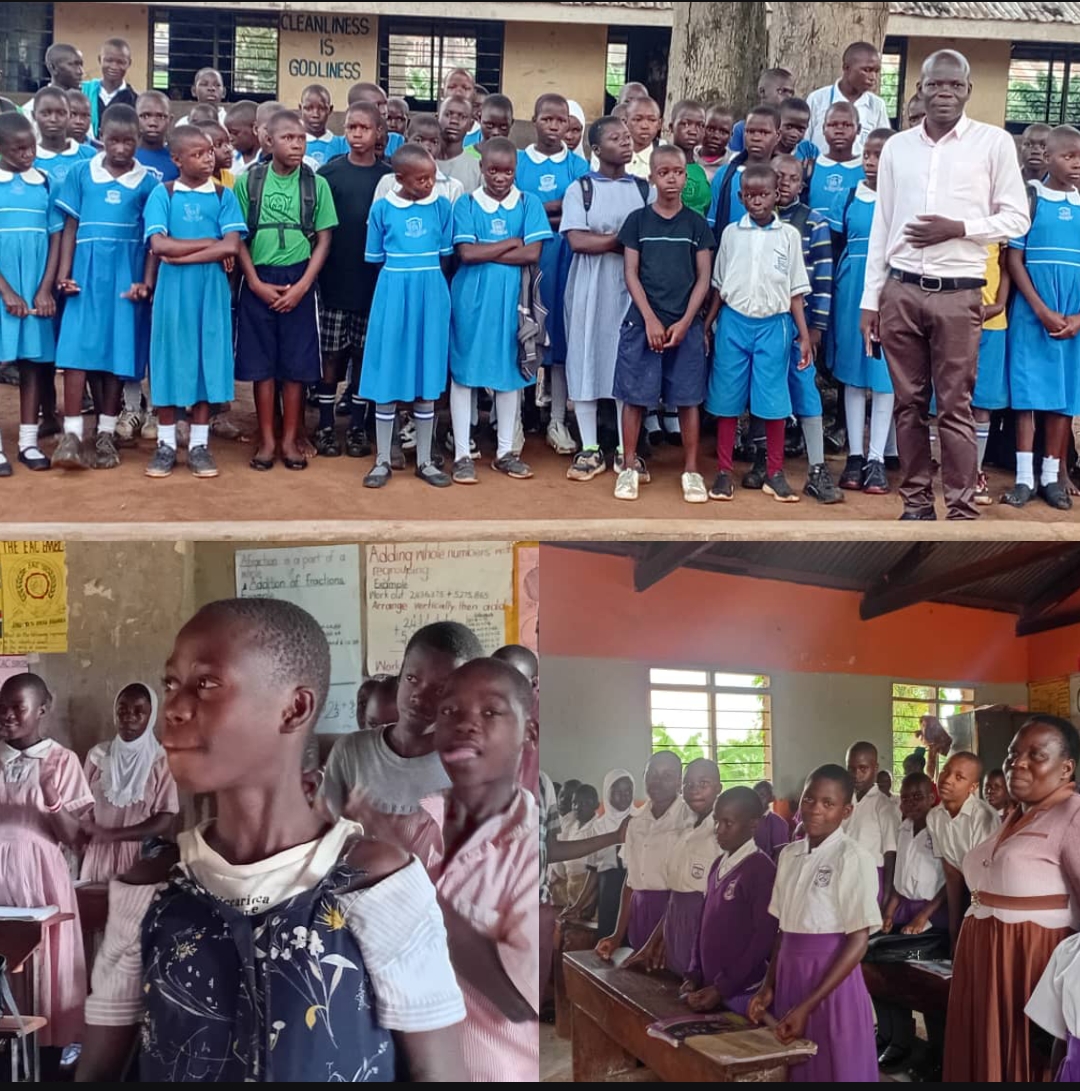
A weeklong monitoring exercise across schools in Luweero District has exposed a mixed picture of steady teaching and learning alongside growing pressure on classrooms, staffing, funding and school facilities as enrolment continues to rise.
The monitoring visits, conducted between September 21 and 24, 2026 by Mawejje Nsonzi Peter, the Office of the National Coordinator coordinator in Luweero District, covered eight schools in different parts of the district. The exercise assessed learner and staff attendance, teaching and learning, school management, infrastructure, security and the general learning environment.

At several schools, the findings were encouraging. Kalule C/U Primary School in Kalule Parish, Nnyimbwa Sub county, had 480 learners and 10 staff members, with satisfactory attendance among both teachers and learners. Teaching was taking place according to the school programme, while academic, co curricular and administrative activities were generally progressing well.
Nalinnya Lwantale Mixed Primary School in Ndejje also stood out for its strong performance. The school has 836 pupils and 23 teachers and was described in the monitoring report as one of the best performing schools in the district. Its administration and teaching staff were found committed to maintaining academic standards, although the report recommended continued support and monitoring to sustain the progress.
The picture was less comfortable at schools where enrolment has placed facilities and personnel under increasing strain. At Sakabusolo Primary School, which has more than 600 learners and nine staff members, the administration reported that government funding was insufficient for the needs of its large population. The school requested increased funding as well as construction of a staff room to provide adequate working space.
A similar challenge was recorded at Bombo Common Primary School, where more than 800 pupils are served by 19 teachers. The monitoring exercise found that the large pupil population compared with the available teaching staff required attention. The school also lacks a perimeter fence, raising concerns about the security of pupils and the general school environment.
At Happy Hours Primary School in Bombo, more than 700 pupils are accommodated by 11 teachers. The inspection found that the school compound is limited in size and that classrooms are too small for the number of learners. The resulting congestion, according to the report, makes it difficult to provide a conducive environment for effective teaching and learning.
The pressure is also visible in schools with smaller enrolments. Kiryambidde Primary School has more than 280 learners and 10 staff members, but the monitoring team found inadequate and poorly maintained infrastructure. The school has also been affected by the loss of teacher Nakisozi Ruth in August 2025, a development the report said had further affected its staffing situation. The school called for renovation of existing buildings and provision of additional infrastructure.
At Lady Irene Demonstration School in Ndejje, about 300 pupils are taught by 10 teachers. Although the school remains operational, the monitoring exercise identified inadequate infrastructure and a need for additional structures to accommodate the growing number of pupils.
The challenges extend beyond primary schools. Luwube Seed Secondary School, which has more than 700 students and 40 staff members, was found to be generally in good condition, with teaching and learning progressing well. Its management, however, requested government support to renovate the main hall so that it can continue serving the school community effectively.
Kayindu Primary School, with more than 500 pupils and 13 staff members, was also conducting normal teaching and learning activities when it was visited. The monitoring exercise nevertheless identified areas requiring continued support, including learning materials and school facilities, while discussions with staff highlighted issues requiring follow up.
The findings mirror a broader education planning challenge in Uganda, where enrolment, staffing and infrastructure have to be considered together. The Ministry of Education and Sports says school monitoring is part of its mandate and identifies staffing, school facilities, management and learning conditions as important elements in improving the quality and equity of education.
The ministry’s education planning documents also recognise the importance of school infrastructure and recurrent funding in supporting teaching and learning. Its guidelines provide for education grants to support operational costs, management and oversight, learning outcomes and maintenance works.
For Luweero, the monitoring reports suggest that the challenge is not simply whether children are attending school, but whether the facilities and personnel available can keep pace with the numbers arriving at the school gates. In some institutions, attendance and classroom activity are satisfactory, while the physical environment is struggling to accommodate demand.
The monitoring exercise therefore provides district authorities and education stakeholders with a snapshot of where intervention may be required, from additional classrooms and staff facilities to teacher deployment, school security and renovation of ageing structures.
As the district continues to serve growing numbers of learners, the condition of its schools will remain central to whether enrolment translates into an effective learning experience. The reports show that while many schools are maintaining their programmes and academic routines, sustained investment and follow up will be necessary to ensure that rising numbers do not outpace the facilities and human resources needed to educate them.
Send Us Your Story
If you would like your article or opinion published on The New Light Paper, one of Uganda’s trusted news platforms, send your submission to thenewlightpaper@gmail.com.