Business
Sudhir’s Business Empire: How Investment Has Helped Shape Uganda’s Economy

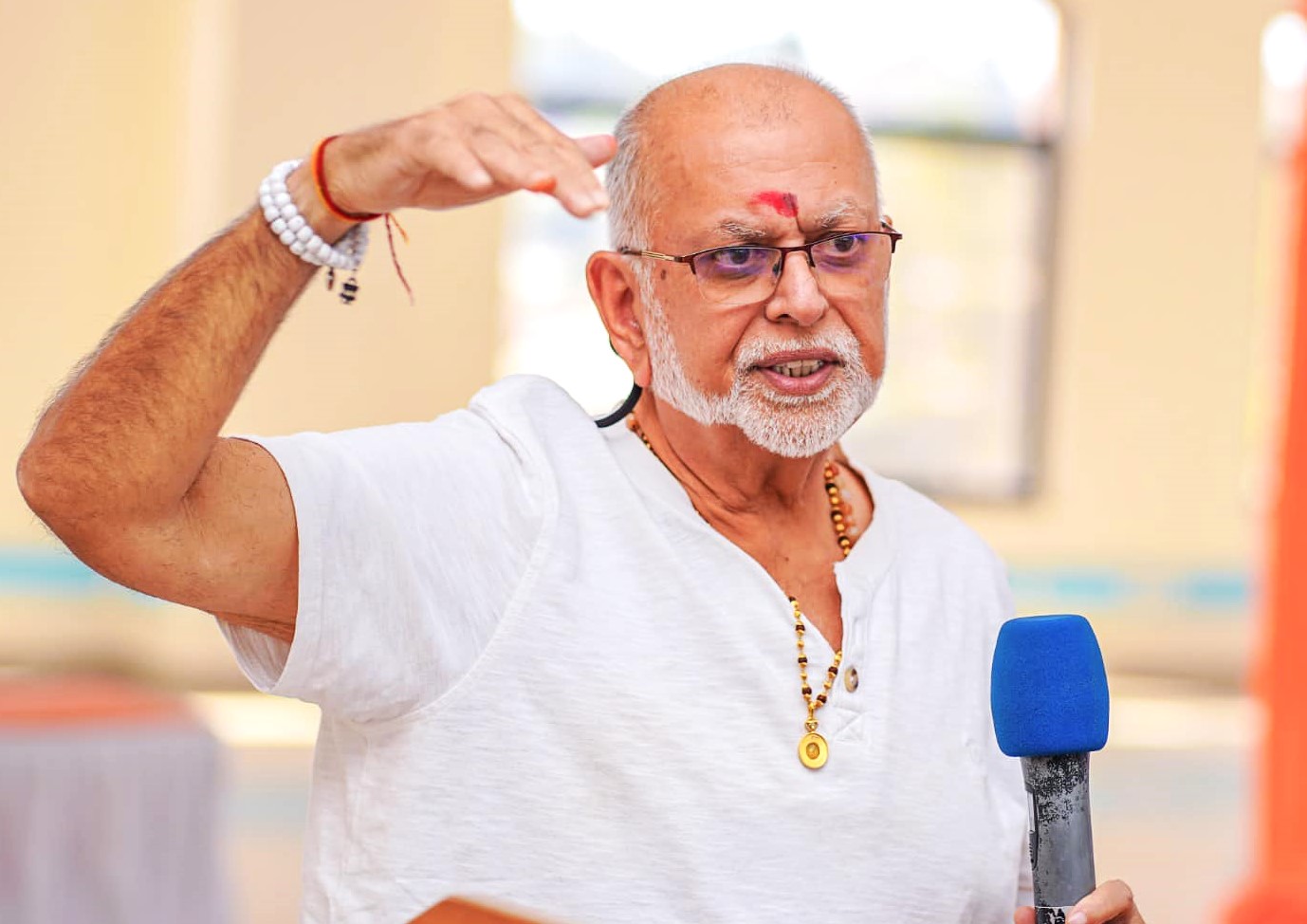
KAMPALA: The story of Dr Sudhir Ruparelia’s business career is often told through the size of his wealth. A more useful measure, however, is the physical and economic footprint left by the enterprises he has built over decades.
A recent profile of the businessman highlights a career shaped by investment in sectors that touch daily economic life: real estate, hospitality, education, financial services and other businesses under the Ruparelia Group.
The argument is straightforward. Wealth, by itself, is not an economic contribution. The more consequential question is what that wealth finances.

In Ruparelia’s case, the answer includes buildings, hotels, schools, jobs, tax contributions, investments and long-term commercial assets.
His real-estate interests have helped shape Kampala’s commercial landscape, while properties such as Speke Resort Munyonyo and Commonwealth Resort have contributed to Uganda’s conference and tourism infrastructure.
Hospitality is particularly important because it creates economic activity beyond the hotel itself. A large facility supports suppliers, transport operators, food producers, technicians, construction workers and service providers while also providing a platform for conferences and international gatherings.
The education portfolio provides another layer.
Institutions associated with the group include Kampala Parents’ School, Kampala International School Uganda, Delhi Public School International and Victoria University. Their economic significance is not limited to tuition or employment; they form part of the wider ecosystem through which Uganda develops skills and human capital.
The business group’s employment footprint is equally important.
Workers across hospitality, education, construction, property management, finance, security and other services depend on enterprises that operate under the group’s umbrella.
That is why job creation remains one of the most important tests of private-sector success in Uganda.
The country has a young population and persistent pressure to create productive employment. Government alone cannot absorb every new entrant into the labour market. Private businesses therefore carry part of the responsibility for converting investment into jobs.
Ruparelia’s supporters also point to his willingness to continue investing locally during periods when economic conditions have been uncertain.
That long-term approach is particularly visible in property and hospitality, where returns depend on patient capital, sustained maintenance and confidence in future demand.
His philanthropic work adds another dimension.
Through the Ruparelia Foundation, he has supported education, healthcare, youth empowerment, environmental initiatives and disaster relief. Such interventions do not replace public services, but they can complement them where private resources are directed toward gaps affecting vulnerable communities.
There is also a broader national argument.
Uganda’s economic transformation requires domestic investors who are willing to accumulate capital and then recycle it into productive assets inside the country.
That does not mean every investment succeeds, nor does it mean private wealth should be treated as a substitute for public policy. It means the relationship between entrepreneurship and national development deserves to be measured in tangible outcomes.
Ruparelia’s career offers one example of that model.
From a business perspective, buildings and companies are assets.
From a national perspective, they can become employment platforms, tax bases, training grounds, tourism infrastructure and symbols of confidence in the local economy.
That distinction explains why the debate around prominent Ugandan entrepreneurs should move beyond the language of billionaires and fortunes.
The more meaningful question is what an investor leaves behind.
In Ruparelia’s case, the answer increasingly lies in the scale of the institutions, properties and jobs connected to his businesses — and in whether those assets continue creating value long after the headlines have moved on.
Send Us Your Story
If you would like your article or opinion published on The New Light Paper, one of Uganda’s trusted news platforms, send your submission to thenewlightpaper@gmail.com.