Breaking News
RHU Community Baraza Opens Space for Action on GBV and Family Challenges – By Richard Onapatum

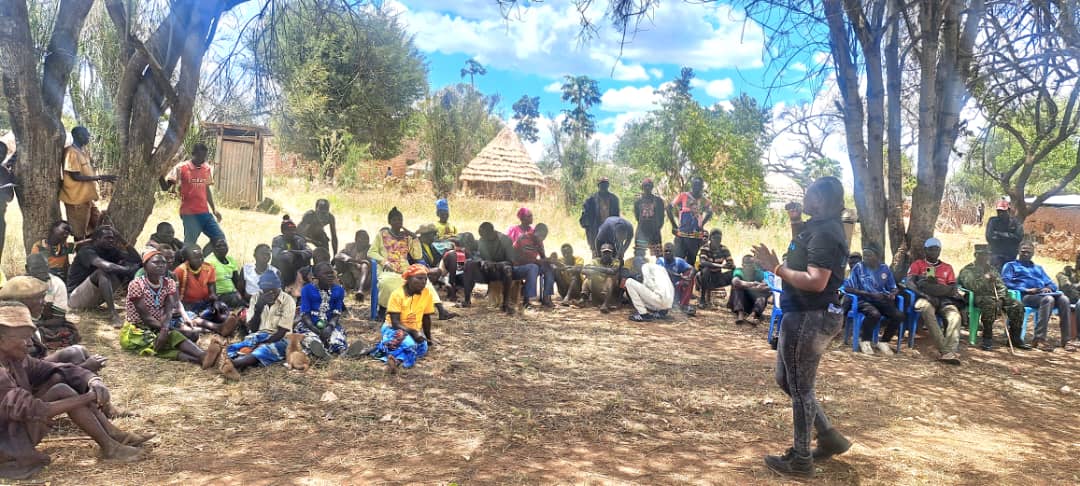

Karenga — September 2026 — A community baraza in Lokial Parish, Sagar Sub-County, is helping residents, local leaders and service providers strengthen community action against gender-based violence (GBV) and other challenges affecting families.
Organised by Reproductive Health Uganda (RHU) under the STRENGTH project, the dialogue brought together community members, Local Council leaders, women, men, youth, councillors and community development and health personnel to discuss GBV, child protection, adolescent development, family responsibilities and community safety.
The discussion helped participants understand different forms of GBV, including physical, sexual, emotional and psychological violence, economic abuse and forced marriage. Participants were encouraged to reject the normalisation of violence and support survivors to access medical, psychosocial, legal and protection services.

Anero Florence Apuun, RHU District Focal Person for Karenga, emphasised that GBV should not be treated as a private family matter but as a community concern requiring collective action.
She encouraged residents to report cases early through Local Council structures, health facilities, police and other recognised service providers, noting that delayed reporting can make it more difficult for survivors to receive timely support.
Apuun also highlighted the need to protect children and adolescents from neglect, exploitation, early and forced marriage, sexual violence and other forms of abuse. She encouraged parents and caregivers to provide appropriate guidance and create safe environments where children can openly communicate their concerns.
LC1 Chairperson Teko Lukam called on community leaders and residents to work together to promote peace, protect vulnerable people and strengthen early reporting of GBV and other protection concerns. He also urged parents to take greater responsibility for the welfare, education and safety of their children.
Community Development Officer Acdolla Ben Francis identified limited access to police services as one of the challenges affecting GBV reporting and follow-up. He called for stronger and more accessible reporting and referral mechanisms connecting communities with Local Council leaders, health facilities, police and community development structures.
He also pointed to wider pressures affecting families, including food insecurity, human-wildlife conflicts, insecurity and environmental degradation, which can increase household stress and vulnerability.
Participants identified water scarcity, excessive alcohol consumption, parental neglect, limited adolescent education, forced marriages, poor sanitation and human-wildlife conflicts among issues contributing to family tension and vulnerability.
Alcohol consumption emerged as a particular concern, with participants highlighting situations where food and other household resources may be exchanged for alcohol, leaving families with fewer resources and potentially contributing to conflict and neglect.
The community also called for continuous, age-appropriate information for adolescents on physical and emotional development, personal safety, healthy relationships, rights and responsibilities. Stronger parenting and child-protection dialogues involving parents, caregivers, adolescents, youth and community leaders were also recommended.
For community member Akongo Prima, the engagement provided an opportunity to better understand GBV and available support services.
“I sincerely appreciate RHU for bringing the Baraza on gender-based violence closer to our community in Sagar Sub-county. The dialogue has helped us understand the different forms of gender-based violence, their effects, and the importance of speaking out and seeking support. We now know where to refer survivors and how to work together to prevent violence in our homes and community,” she said.
Akongo also appealed for continued support to address land and human-wildlife conflicts, which she said can contribute to tensions and violence. She appreciated RHU for creating a platform where community members could openly raise concerns and seek solutions together.
LC3 Chairperson Lolem Charles emphasised that the issues raised during the baraza require continued action beyond a single engagement. He called for stronger collaboration between community leaders, government structures and service providers, as well as follow-up on the resolutions reached.
The baraza recommended strengthening adolescent awareness and life-skills sessions, improving access to safe water, strengthening child-protection mechanisms, improving GBV reporting and referral pathways, conducting follow-up and feedback sessions, increasing sensitisation on alcoholism and strengthening collaboration with the Uganda Wildlife Authority on human-wildlife conflicts.
The engagement demonstrated that preventing GBV requires more than responding to individual cases. It also requires communities and duty bearers to address the social, economic and environmental pressures that can increase household vulnerability.
For RHU, continued follow-up will be important to ensure that the commitments made in Sagar translate into practical action, stronger referral systems and improved protection for women, children, adolescents and other vulnerable community members.
Send Us Your Story
If you would like your article or opinion published on The New Light Paper, one of Uganda’s trusted news platforms, send your submission to thenewlightpaper@gmail.com.