
News
Parents Reject Plans to Scrap Nursery as Debate Over Two-Term School System Intensifies

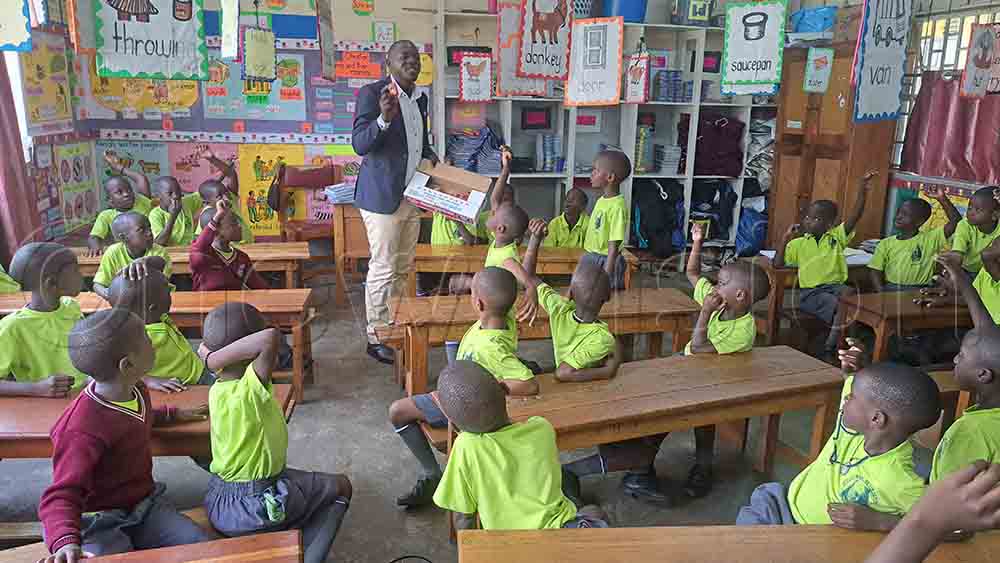
A growing national debate has erupted across Uganda after proposals emerged suggesting the country should reduce the academic calendar from three school terms to two, while also reviewing and in some opinions scrapping nursery education altogether.
The proposals, aimed at easing the financial burden on parents and reducing pressure on learners, have sharply divided public opinion, with many Ugandans welcoming the cost-cutting idea while others warn it could weaken the country’s education foundation.
The discussion gained momentum after businessman and artist Muyanja Sharifu advocated for a two-term academic structure, arguing that the current system has become too expensive for ordinary families.
Media personality Nyanzi Martin Luther also pushed for broader reforms while questioning whether society is prepared for such drastic education changes.
Supporters of the proposal say the current school calendar places excessive pressure on parents who struggle to raise tuition and scholastic requirements three times a year.
“As parents, we are overwhelmed every term,” said Asiimwe Evaristo in an online discussion.
He proposed a new structure where schools open from March to June before breaking off and resuming from August to November.
“For nursery be only two,” he added.Others argued that nursery education itself should be shortened. Kule Asansio suggested reducing nursery to one year, with children beginning at age five.
“School terms should be two to reduce pressure on the parents,” he said.
KUTOSI BENARD also backed reducing school terms, claiming the third term is often too short and mainly benefits school proprietors financially.
“We only make for directors money; it is too short,” he remarked, though he opposed eliminating nursery education completely.
The frustrations expressed by many Ugandans reflected wider concerns over the rising cost of education and whether families are getting value for money.
“It’s only education that has impoverished Ugandans,” argued Osten Bakesigaki.
“School fees and requirements are too high, but the learner gets no value for the money spent.”Some contributors even accused policymakers of having vested interests in maintaining the current education structure.
Ajio Doreena and Alicefaridah Nakimbugwe alleged that some legislators own private schools and therefore may resist reforms that could reduce school revenues.
However, many Ugandans strongly opposed any attempt to interfere with nursery education, arguing that early childhood learning remains critical for children’s development.
“School term cut yes, but banning nursery school is a big NO,” said Seraph Otlego. “Nursery is too important to be tampered with.”
Otlego revealed that missing nursery education negatively affected his language and communication skills later in life.
“I’m suffering simply because I never did nursery in addition to a poor primary education,” he explained, adding that it contributed to “poor English and poor accent regardless of the academic level attained.”
Wambuga David warned that reducing learning time could weaken education standards and leave children without proper supervision at home.
“This would weaken our education standards and place our kids in the hands of parents or guardians who have no time for them,” he argued, citing lessons from the COVID-19 lockdown period when many children reportedly developed discipline challenges.
Others maintained that discipline problems originate more from parenting than school calendars. Kisolo Wodulo argued that family upbringing plays a larger role in shaping children’s behavior than the number of school terms.
The debate now highlights a deeper national concern over balancing affordability with quality education.
While many families are desperate for relief from mounting school costs, education stakeholders fear that rushed reforms could damage foundational learning standards, particularly in early childhood education.
The Ministry of Education and Sports has not yet issued an official position on the proposals, but the conversation continues to dominate social media platforms and public discussion forums across the country.
As pressure grows for reforms in Uganda’s education sector, the debate over whether fewer school terms would help or harm learners appears far from settled.


