
News
From Exile Returnee to East Africa’s Most Celebrated Investor: The Sudhir Ruparelia Story That Changed What Homegrown Capitalism Could Look Like

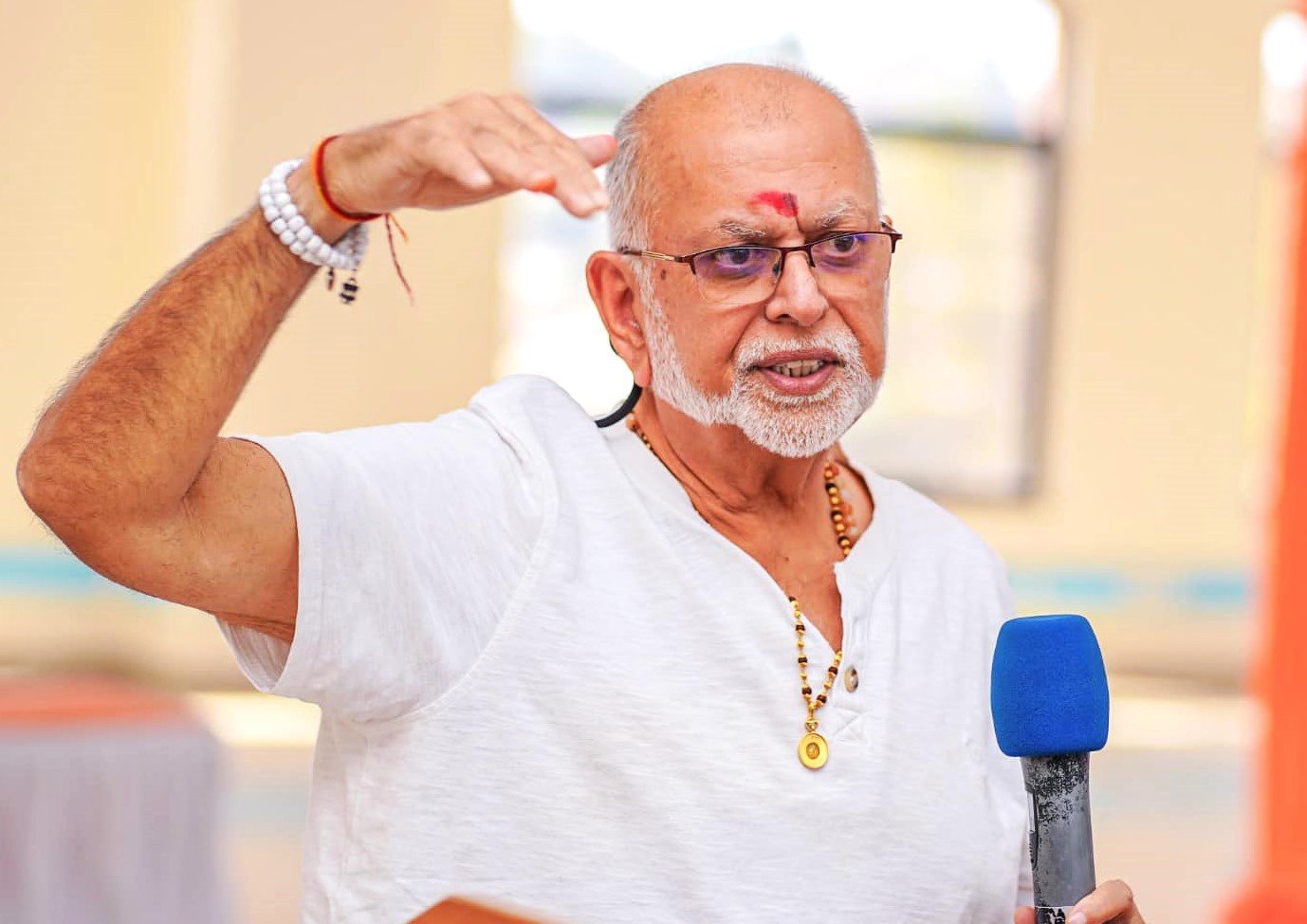
By Gad Masereka
In a region where the debate about foreign investment versus local enterprise has raged for decades without resolution, Dr. Sudhir Ruparelia’s journey offers something more convincing than any policy paper: a living, breathing example of what indigenous entrepreneurship can build when given the space and the will to grow.
The man who returned to Uganda in the 1980s as a young exile returnee, armed with little beyond ambition and an instinct for opportunity, has over four decades assembled what many regional economists now cite as East Africa’s most compelling case for homegrown capitalism. The Ruparelia Group today spans banking, insurance, hospitality, real estate, education, agriculture, and media, with a workforce running into the thousands and an economic footprint that extends well beyond Uganda’s borders.
What distinguishes the Ruparelia model from other investment narratives in the region is the deliberate retention of value within the local economy. Rather than exporting profits to offshore holding structures or parent companies based in other continents, the group has consistently reinvested earnings into new ventures on Ugandan and regional soil. The result is a compounding economic presence that creates jobs, stimulates adjacent industries, and demonstrates that private sector leadership from within Africa is not just possible but durable.
The hospitality portfolio makes the point with particular clarity. Speke Resort Munyonyo has over the years hosted African Union summits, Commonwealth gatherings, and high-level diplomatic meetings that required a facility capable of standing comparison with the best venues on the continent. The recent development of Paradise Resort, a private island retreat on Lake Victoria conceived to rival luxury offerings in destinations like the Maldives and the Seychelles, signals ambitions that extend far beyond what Uganda’s market alone might seem to demand.
Through the Ruparelia Foundation, social investment has become as central to the group’s identity as commercial expansion. The Delhi Public School International and Kampala Parents School are producing graduates equipped to compete in a globalised world. Free medical camps, prosthetic limb programmes, refugee empowerment initiatives, and youth support activities have embedded the foundation in communities that might otherwise experience private enterprise as indifferent to their circumstances.
Analysts who have examined the group’s growth trajectory over the years observe that Sudhir’s influence on East Africa’s business culture extends well beyond his own enterprises. By demonstrating that homegrown capital can sustain world-class infrastructure and attract serious international attention, he has reset expectations about what African investors can achieve on African soil. Entrepreneurs across Uganda, Kenya, and Tanzania regularly invoke his name not as a distant ideal but as proof that the home team can win.
As East Africa accelerates through its urban transition and positions itself to absorb the next wave of global investment, the question of who leads that process, on whose terms, and with whose money, grows more pressing with each passing year. In that ongoing conversation, Dr. Sudhir Ruparelia stands as one of its most persuasive and most tangible answers.