
Politics
Rwakoojo Enters Deputy Speaker Race as Battle for 12th Parliament Intensifies

By Gad Masereka
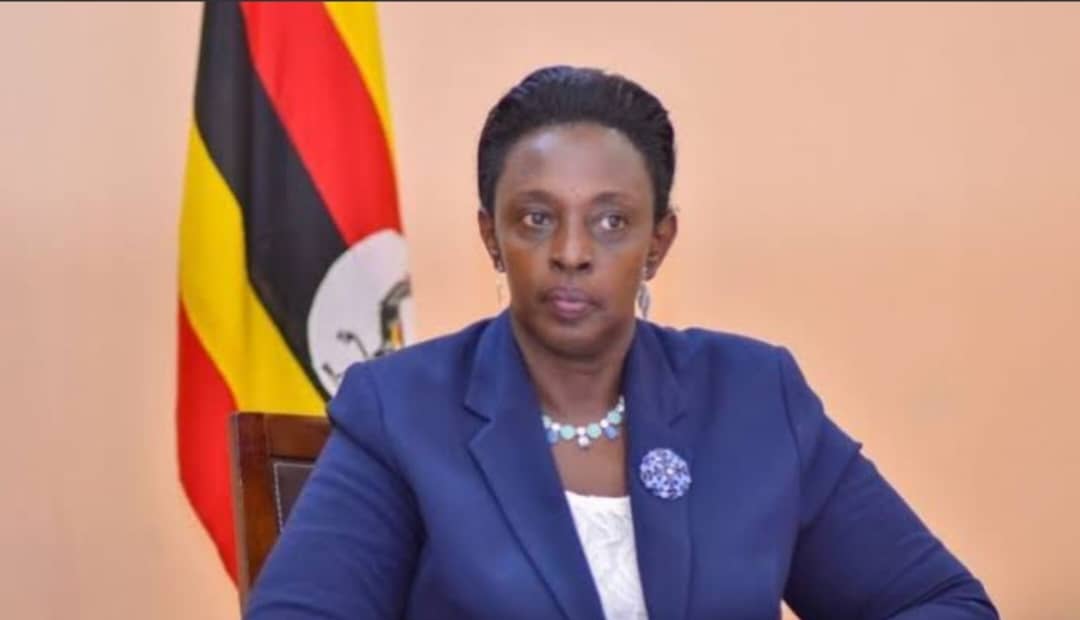
The contest for the Deputy Speaker position in Uganda’s incoming 12th Parliament has taken a fresh and potentially decisive turn after Gomba West Member of Parliament Robinah Rwakoojo officially declared her interest in the seat, setting the stage for what is shaping into a highly competitive leadership battle within the ruling National Resistance Movement establishment.
Rwakoojo confirmed her bid during a telephone interview with our reporter, ending days of speculation about whether she would join the race amid growing political maneuvering ahead of the formation of the next Parliament.
Her announcement comes at a time when internal discussions within political circles remain intense following reports of strained relations between Speaker Anita Annet Among and Deputy Speaker Thomas Tayebwa, both of whom had earlier received endorsement from the NRM Central Executive Committee for the positions they currently hold.
The emergence of Rwakoojo now introduces a new dynamic into a contest many observers had initially viewed as straightforward.
Political analysts say her entry could significantly alter calculations within the ruling party and among legislators preparing to vote for the leadership of the August House.
A lawyer by profession and Advocate of the Courts of Judicature, Rwakoojo enters the race carrying a reputation built on years of legal and parliamentary service. Supporters describe her as measured, disciplined, and deeply knowledgeable in constitutional and legislative affairs, qualities they argue are essential for presiding over parliamentary business at a time when the country continues to debate major governance and accountability issues.
Her public service record stretches back more than two decades in the Ministry of Justice and Constitutional Affairs, where she steadily rose through the ranks to serve as Acting Director of Civil Litigation before transitioning into elective politics. Since joining Parliament in the 10th Parliament, she has maintained a visible presence in legal and legislative oversight work, first as Deputy Chairperson of the Legal and Parliamentary Affairs Committee and later as the committee’s chairperson during the 11th Parliament.
Colleagues familiar with her work say her experience handling sensitive constitutional matters has strengthened her standing among lawmakers seeking a leader capable of managing debate impartially while maintaining firm command of parliamentary procedure.
“She understands the rules of Parliament and carries herself with calmness and maturity,” one legislator who supports her bid said. “At a time when Parliament requires steady leadership, many members believe she offers both competence and balance.”
Beyond her professional credentials, Rwakoojo’s candidacy is also drawing attention because of its possible implications for regional political balancing within the country’s leadership structure.
Coming from Gomba District in the Buganda region, her supporters believe she could attract backing from legislators interested in broader representation within top government positions as discussions around power sharing continue to shape political alignments.
Her entry into the race also arrives against the backdrop of shifting alliances within Uganda’s political landscape. The development follows the recent endorsement of West Budama North East MP Jacob Oboth Oboth for the Speakership by the Patriotic League of Uganda, although the pressure group stopped short of revealing whom it would back for the Deputy Speaker position. That silence has fueled further speculation and widened the field for potential contenders.
Inside Parliament, conversations surrounding the next leadership team are expected to intensify in the coming weeks as newly elected legislators settle into political camps ahead of the formal election of parliamentary leaders. Analysts say the Deputy Speaker contest could become one of the defining political battles of the transition into the 12th Parliament, especially if more candidates emerge or existing alliances shift.
For Rwakoojo, the challenge ahead will involve converting her legal credentials and parliamentary experience into broader political support across party and regional lines. Yet her supporters remain confident that her record, combined with her composed leadership style, positions her as a serious contender capable of reshaping the race.
As political negotiations continue behind closed doors, her declaration has already injected fresh energy into the contest and underscored the growing uncertainty surrounding the leadership structure of Uganda’s next Parliament.