
News
Israel and Iran Enter Dangerous New Phase After Overnight Airstrikes

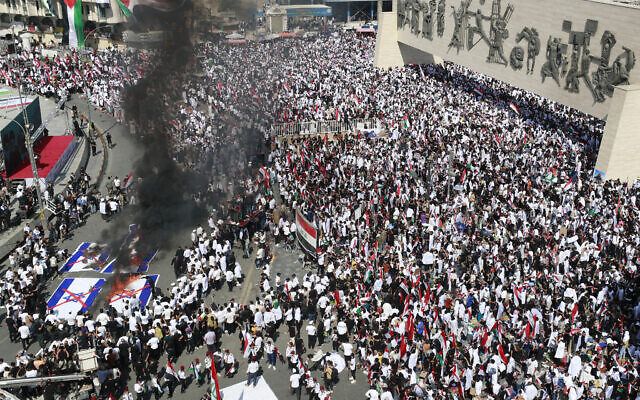
The long-running shadow conflict between Israel and Iran escalated dramatically overnight after Israeli forces carried out airstrikes inside Iranian territory, sending shockwaves across the region and raising fears of wider confrontation.
Multiple explosions were reported in the Iranian capital, Tehran, shortly before dawn.
Residents described hearing powerful blasts followed by the activation of air defense systems.
Smoke was seen rising from several areas of the city, though Iranian authorities have yet to provide a comprehensive assessment of the damage or confirm casualties.
In an official statement issued hours later, Israeli Defense Minister Israel Katz confirmed that Israel had conducted what he termed a “targeted pre-emptive operation.”
He said the action was based on intelligence assessments indicating imminent threats against Israeli territory.
“The State of Israel will act decisively wherever necessary to defend its citizens,” Katz stated.
“We will not allow hostile forces to strengthen capabilities aimed at our destruction.”Following the announcement, Israel declared heightened security measures nationwide.
Air raid sirens were activated in several cities, and emergency response systems were placed on high alert.
Schools in certain districts were suspended, and military reserves were reportedly mobilized as a precaution against potential retaliation.
Iranian officials swiftly condemned the strikes, calling them an “unlawful aggression” and warning that Tehran retains the right to respond.
A senior Iranian security official stated that “any violation of Iran’s sovereignty will not go unanswered,” signaling the possibility of retaliatory action in the coming days.
The confrontation unfolds against the backdrop of escalating rhetoric between the two nations over Iran’s nuclear activities and regional military posture. In recent months, tensions have intensified amid stalled diplomatic efforts and increasing military positioning across the Middle East.
Global leaders have urged restraint. The United Nations called for immediate de-escalation, warning that further hostilities could destabilize an already volatile region.
Meanwhile, the United States government acknowledged awareness of the operation but emphasized the need to avoid broader conflict.
Security analysts say the coming hours will be critical in determining whether the strikes mark a contained military action or the beginning of sustained hostilities between the two regional powers.
Energy markets reacted nervously to the developments, with oil prices climbing amid concerns over potential disruptions in the Gulf region.As governments assess their next moves, civilians in both countries are bracing for uncertainty.
For many in Tehran and Tel Aviv alike, the question now is whether diplomacy can regain footing or whether the region stands on the brink of a deeper and more prolonged conflict.
