
Business
Investigations: The Hidden War In Luweero – How Rival Sugar Tycoons Bankroll Media Attacks On Victoria Sugar

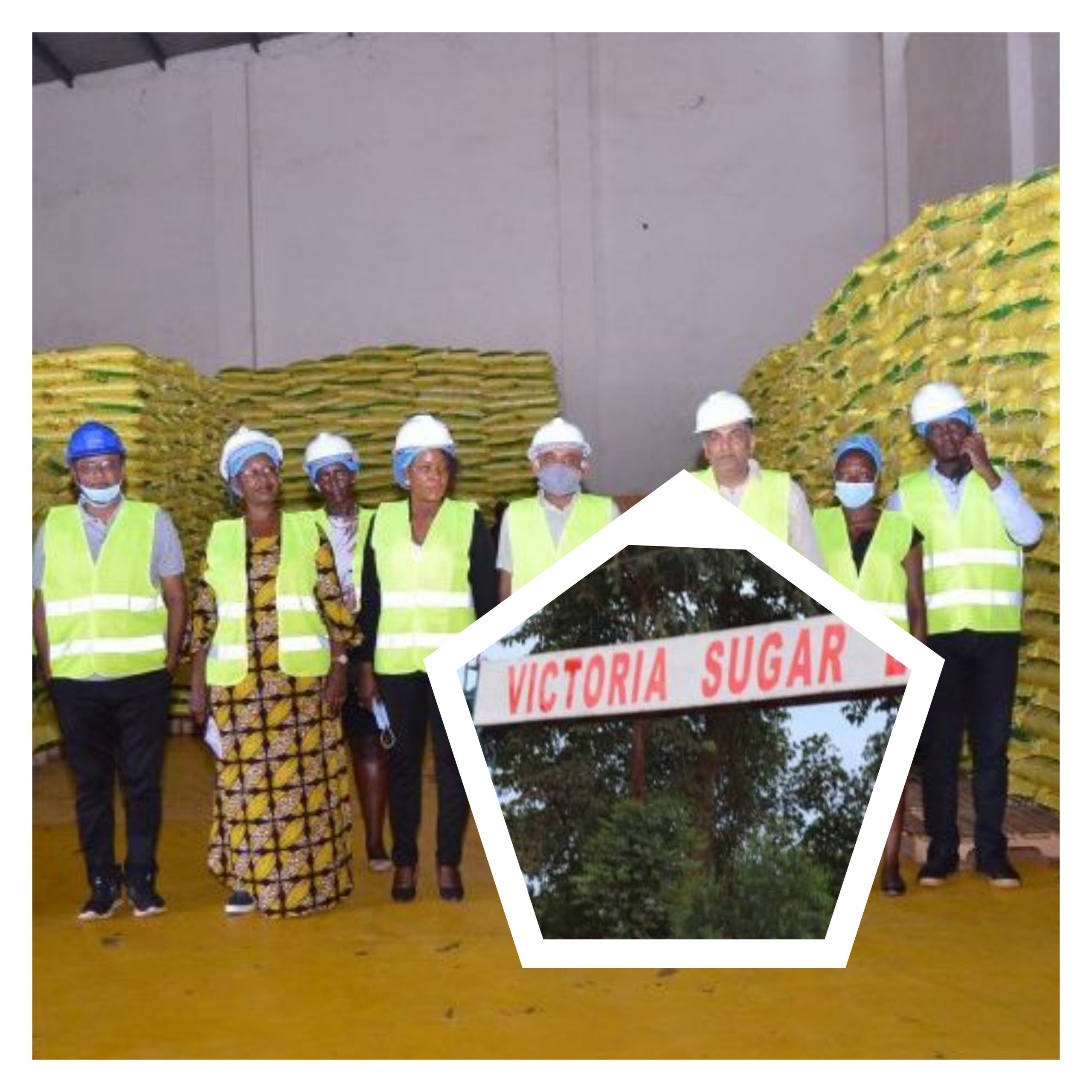
In the heart of Luweero District, the story of Victoria Sugar Factory unfolds as more than just a tale of industry and investment—it has become a reflection of the broader challenges facing Uganda’s business environment.
As President Yoweri Museveni tirelessly courts global investors to expand industrial growth and create employment opportunities, a storm of misinformation and calculated sabotage appears to be brewing at home, threatening to derail those ambitions.
Victoria Sugar Factory, one of the region’s most significant industrial establishments, has lately been at the centre of controversy following a series of reports alleging that the company’s operations pose environmental and health hazards. These claims, spread across social media platforms and picked up by certain online outlets, accuse the factory of releasing thick smoke and soot into nearby communities. Yet, a closer look reveals a different narrative—one rooted in competition, commercial rivalry, and what sources describe as deliberate economic sabotage.
Company officials insist that the accusations are not only baseless but also part of a coordinated smear campaign bankrolled by rival sugar producers seeking to undermine Victoria Sugar’s progress.
Multiple insiders familiar with the situation told The New Light Paper that some of these competitors have allegedly been paying small groups of locals to make false claims on camera about illnesses and crop contamination. “There is no medical evidence to support any of these stories,” one source said, adding that “the same pattern has been repeating itself every few months to sustain negative publicity.”
When the first wave of accusations surfaced last year, the National Environment Management Authority (NEMA) promptly conducted an on-site inspection. After a detailed assessment, the agency cleared Victoria Sugar Factory of all allegations, confirming that its operations fully complied with national environmental standards.
Despite that official clearance, the attacks have continued, leading to speculation that the motives behind them go far beyond environmental concerns.
Inside the factory’s offices, frustration runs deep. A senior company source revealed that one media outlet has allegedly been receiving monthly payments to publish stories against Victoria Sugar. “This is not journalism. It is blackmail disguised as reporting,” the source remarked. “At a time when the President is encouraging investors to build industries and provide jobs, it is disheartening to see a few individuals trying to destroy what others are building.”
Speaking in an interview on Monday, the factory’s Human Resource Manager, Ms. Mbaiza, expressed disappointment over what she called an “organized network of misinformation.” She noted that the company employs hundreds of locals, supports several community projects, and maintains full compliance with environmental and labor standards. “We are not just producing sugar; we are transforming lives,” she said. “It is unfair for people to peddle lies that could drive away investors and harm the very communities that depend on these industries.”
Mbaiza also called upon government agencies and professional media bodies to step in and address the growing misuse of journalism as a weapon of economic warfare. “The media should be partners in development, not tools for sabotage,” she emphasized. “If Uganda’s investment climate is to thrive, we must protect genuine businesses from malicious propaganda and blackmail.”
In Ndibulungi village, where the factory operates, several residents voiced their support for Victoria Sugar, crediting it for improving roads, providing clean water, and creating steady employment.
According to one of the residents, a shopkeeper who has lived in the area for over a decade, said, “Before the factory came, there were no jobs here. Now, our youth are working, and our children can go to school. People who spread lies about the factory are not from here, they just want to cause trouble.”
Economic analysts caution that such smear campaigns could have far-reaching implications. Beyond hurting a single company, they risk eroding investor confidence and undermining Uganda’s reputation as a stable and attractive investment destination. In an increasingly competitive regional market, they warn, countries that allow misinformation to fester risk losing valuable opportunities to those that protect and promote responsible enterprise.
As Uganda pushes toward its industrialization goals, the fate of Victoria Sugar Factory serves as a reminder that patriotism and professionalism must coexist for sustainable development to take root.
The fight for Uganda’s economic future, it seems, will not be won only in boardrooms and investment summits abroad, but also in how fairly and responsibly its stories are told at home.


