
Education
UPE Anniversary Fete Postponed as Organisers Await President’s New Date

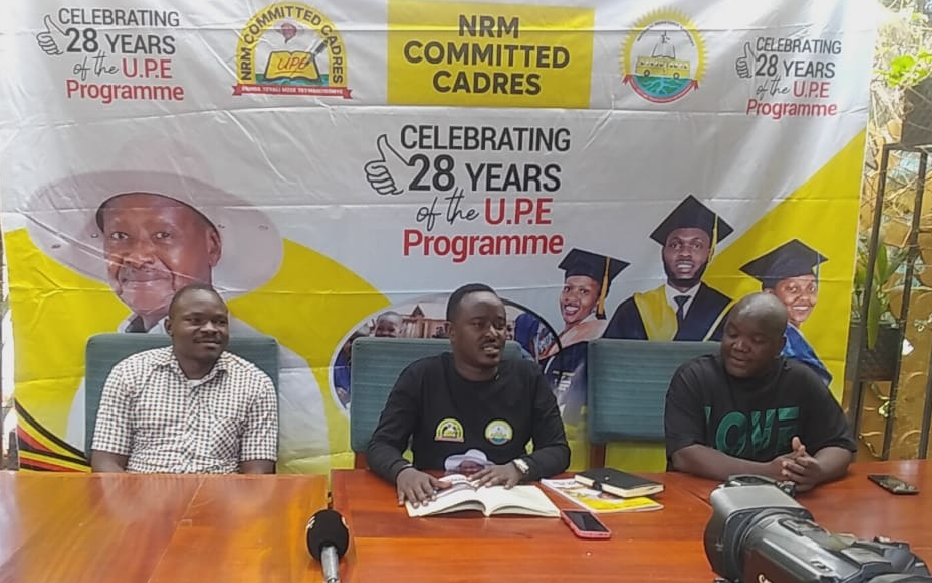
The decision to postpone the twenty eighth anniversary celebrations of Universal Primary Education created a quiet stir among teachers, local leaders and parents who had been preparing for the event with a sense of anticipation. What was expected to be a moment of national reflection on one of Uganda’s most far reaching social policies instead turned into a reminder of how closely national programmes often hinge on the presence of top leadership.
Organisers confirmed that the festivities would not proceed as planned, explaining that the President, who was expected to officiate, could not attend tomorrow’s gathering.
Twebanze Johnson Matuusa, who leads the NRM committed cadres, addressed journalists in Kampala with a calm but firm tone as he clarified the situation.
He said the committee had been informed that the President wished to preside over the celebrations personally and that a new date would be announced once his schedule allowed.
He stressed that the postponement should not be interpreted as a loss of enthusiasm for the programme. According to him, the President had reaffirmed his commitment to the legacy of UPE and to participating in the event when the timing is right.
While the sudden change frustrated some stakeholders who had travelled to Kampala ahead of the planned celebrations, others used the moment to reflect on the broader meaning of the twenty eight year journey. Launched in 1997, UPE has become a defining part of Uganda’s social fabric. In conversations around Kampala today, officials spoke of classrooms that filled almost overnight in the early years and of parents who finally saw their children step into school despite long standing financial barriers. The surge in enrollment, which reached millions within a few years of introduction, is still remembered as one of the clearest indicators of how policy choices can alter the trajectory of a generation.
Educationists who have followed the programme from its inception point out that UPE did more than open school gates. It shifted attitudes toward schooling, particularly for girls who had often been kept at home for domestic work. Many rural districts, once without reliable education services, saw new buildings rise and teachers deployed even if in limited numbers. Despite persistent concerns about overcrowding and strained facilities, the programme is widely credited with expanding opportunity for children who once had little chance of entering a classroom.
During his briefing, Matuusa used the postponement to rally support rather than dwell on the setback. He urged Ugandans to recognise the gains made under UPE and to remain focused on strengthening what has already been achieved. He reminded the public that progress can only be sustained when citizens remain alert in the electoral process, noting that the last general election saw millions of votes discarded because ballot papers were wrongly marked. He cautioned that such mistakes weaken the democratic process and diminish the voice of ordinary citizens.
Matuusa encouraged voters to familiarise themselves with proper voting procedures ahead of the next cycle, saying that free and fair elections depend on the ability of every eligible Ugandan to participate correctly. He insisted that safeguarding the country’s education achievements requires vigilance both in policy and in political engagement. In his view, unity within the ruling party and among Ugandans at large remains essential as the nation looks toward the rescheduled celebration.
As he concluded his remarks, Matuusa expressed optimism that the new date will offer an even greater opportunity to honour the children who have passed through the programme and the communities that have supported them. He called on supporters to stay organised and ready, saying the strength of UPE lies not only in government investment but in the shared belief that education can transform lives.