
Business
Sudhir Ruparelia’s Investments Redefine Uganda’s Global Profile

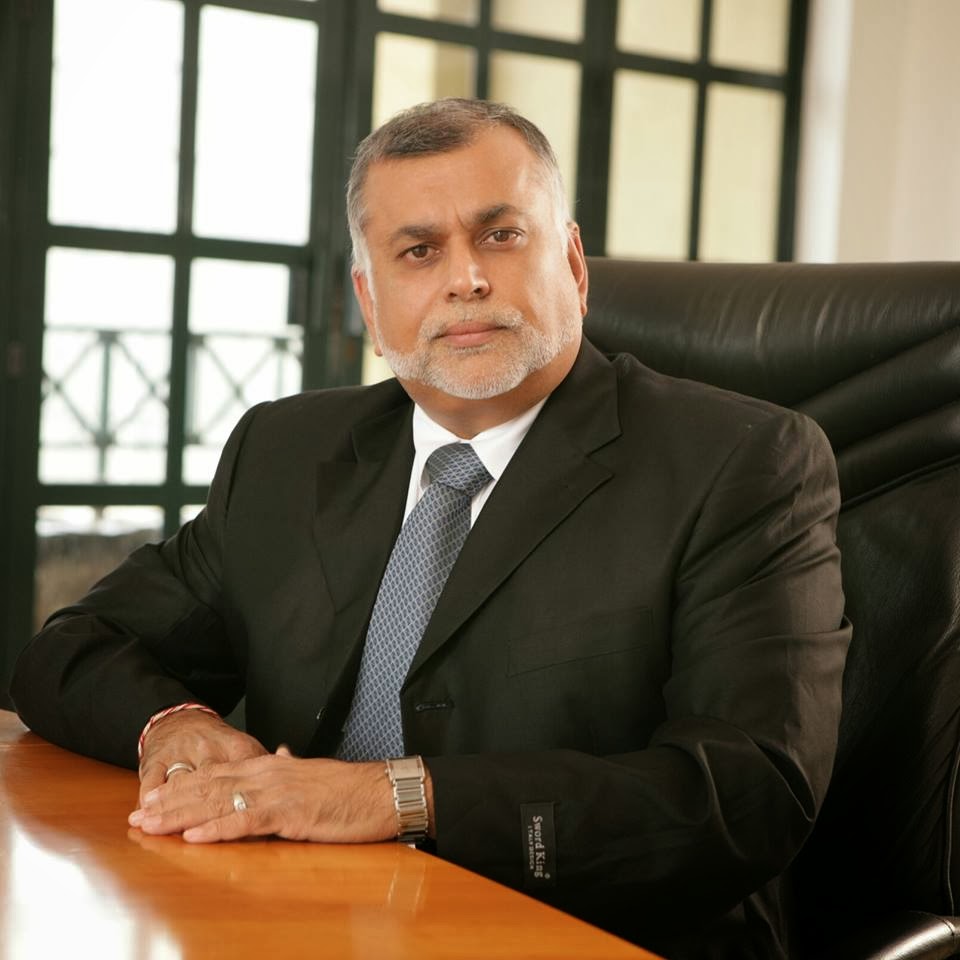
For decades, Uganda has been steadily carving its place on the global economic stage, and few figures embody that journey more than businessman and philanthropist Dr. Sudhir Ruparelia.
With a vast network of investments that span finance, real estate, hospitality, education, and agriculture, he has helped transform Kampala’s skyline while positioning Uganda as an emerging hub for international business and tourism.
His most recent project, the RR Pearl Business Park along Yusuf Lule Road, has quickly become a symbol of that ambition. The 16-storey commercial complex, fitted with modern amenities to rival business districts in Nairobi, Johannesburg, or even Dubai, signals to investors that Kampala is ready for high-end commerce.
At its unveiling, Sudhir described the development not simply as a local venture but as a continental landmark. “This building is not just for Uganda. It’s for Africa. It’s for international investors who want to do business in a place that’s stable, welcoming, and ready,” he said.
The Ruparelia Group, which oversees more than 28 companies, has long pursued a strategy that extends Uganda’s economic reach far beyond its borders. Through flagship hotels such as Speke Resort Munyonyo, Kabira Country Club, and Munyonyo Commonwealth Resort, Sudhir has not only built spaces of luxury but also venues capable of hosting world leaders and major global events.
The 2007 Commonwealth Heads of Government Meeting, several African Union gatherings, and international business summits have all been staged in his establishments, providing Uganda with global visibility and vital foreign exchange earnings.
Beyond hospitality, his ventures in banking, insurance, education, and real estate have created thousands of jobs. Analysts note that the Ruparelia Group’s enterprises directly employ over 10,000 people, while indirectly supporting many more through supply chains and service providers. This ripple effect has empowered communities, raised skills, and contributed to a stronger middle class, reinforcing the country’s long-term development goals.
Equally significant is Sudhir’s role as a philanthropist. Through the Ruparelia Foundation, he has directed resources to education, health, and social welfare initiatives. Earlier this year, the foundation helped fund life-saving heart surgeries for more than 100 Ugandan children, an act that attracted international attention and underscored his cross-cultural impact. The same spirit has been seen in blood donation drives, hospital equipment donations, and scholarships that have benefited students from disadvantaged backgrounds.
Recognition of his work has not been limited to Uganda. Sudhir has appeared on Forbes Africa, received awards for business leadership, and been invited to global investment forums where he often speaks about Africa’s potential. Economists argue that his story reflects not just individual success but also a model of how local entrepreneurs can project national potential onto the world stage.
In an era where African nations are striving to redefine their image, Sudhir Ruparelia has emerged as one of Uganda’s most effective ambassadors—without a political title or public office. His projects continue to draw foreign capital, inspire domestic entrepreneurs, and serve as tangible proof that world-class innovation can thrive in Kampala.
As Uganda works toward achieving middle-income status, voices in government and the private sector alike acknowledge that figures like Sudhir remain essential.
His investments are more than business ventures; they are statements of ambition and resilience that highlight Uganda’s ability to compete globally.
In many ways, the legacy of Sudhir Ruparelia is not only measured in buildings, hotels, or balance sheets, but in the confidence that Uganda can indeed stand tall on the world map.