
Politics
Namyalo Appeals For Peaceful Conduct As Uganda Enters A Sensitive Political Moment

By Gad Masereka
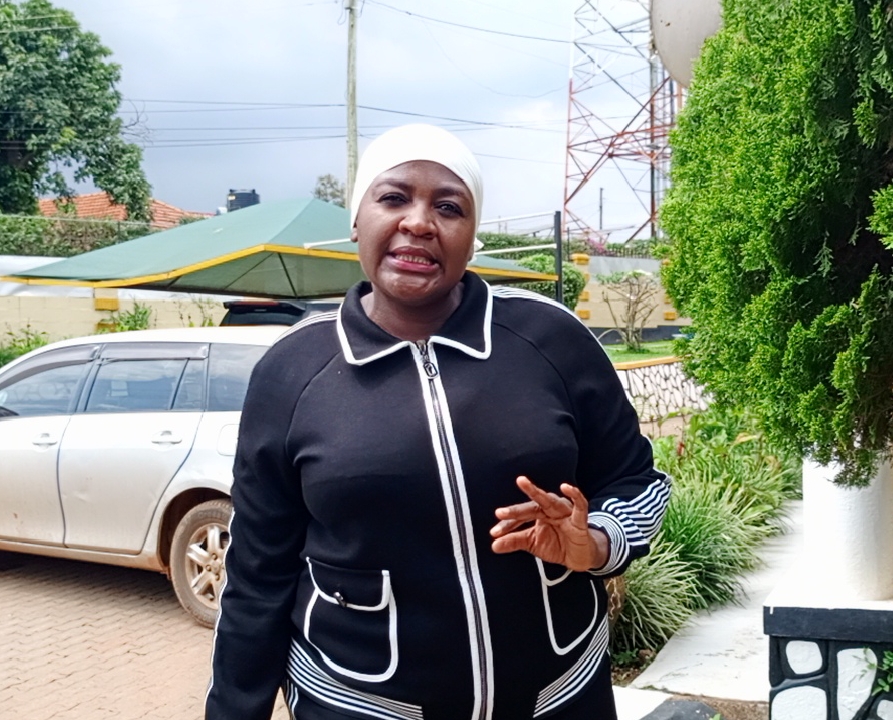
As homes across Uganda prepare for Christmas celebrations, the country is also entering a politically sensitive stretch, with national elections only weeks away. It is this overlap of festivity and politics that shaped the message delivered by Hajjat Hadijah Namyalo Uzeiye, the Manager of the Office of the National Chairman, who used her end of year address to urge restraint, reflection and responsibility at a time she described as pivotal for the nation.
Speaking at her Kyambogo office, Namyalo placed peace at the centre of her remarks, presenting it as a practical necessity rather than a slogan.
She argued that moments of celebration often test social discipline and warned that political competition, if poorly managed, can easily spill into disorder. In her view, the holiday season offers an opportunity for Ugandans to demonstrate maturity by separating personal joy from political provocation, especially as the electoral period approaches.
She appealed directly to young people, many of whom she said are most vulnerable to manipulation during charged political moments.
According to Namyalo, stability is sustained not only by state institutions but also by the everyday choices citizens make, including how they respond to political messaging. “Peace is the backbone of our progress,” she said, adding that development gains can quickly unravel when unity breaks down.
Turning to the January elections, Namyalo emphasised the importance of calm participation, encouraging voters to assess their choices carefully and avoid confrontation.
She framed the vote as a decision about continuity and national direction, openly expressing her support for President Yoweri Kaguta Museveni, whom she credited with maintaining stability and guiding economic transformation. She urged voters to consider peace as a priority when casting their ballots.
A significant portion of her remarks focused on political leadership and the conduct of those seeking influence. Namyalo voiced concern about what she described as a growing tendency to draw young people into acts of unrest, often with little regard for the consequences. She said such actions leave lasting damage, particularly for families whose children face arrest or imprisonment after being mobilised for violence.
“Those who mislead the youth rarely stand with them when things go wrong,” she said, noting that the burden of legal troubles and lost opportunities often falls on households already struggling. She described this pattern as a betrayal of trust and called on political actors to reconsider how they engage young supporters.
Namyalo argued that leadership should be measured by the ability to protect and guide, rather than inflame tensions. She said safeguarding the future means investing in young people’s wellbeing and encouraging peaceful participation in national affairs, rather than exposing them to harm for short term political advantage.
As she concluded her address, Namyalo returned to the broader message of national cohesion, wishing Ugandans a peaceful Christmas and a hopeful New Year.
She reaffirmed the commitment of the Office of the National Chairman to promoting unity and socio economic empowerment, urging citizens to see the coming weeks as a test of collective responsibility.
Her message was clear that the choices made during this season, both festive and political, would shape the country well beyond the holidays.


