
News
Ruparelia Family Marks Festive Season With Community Focus In Kamwokya

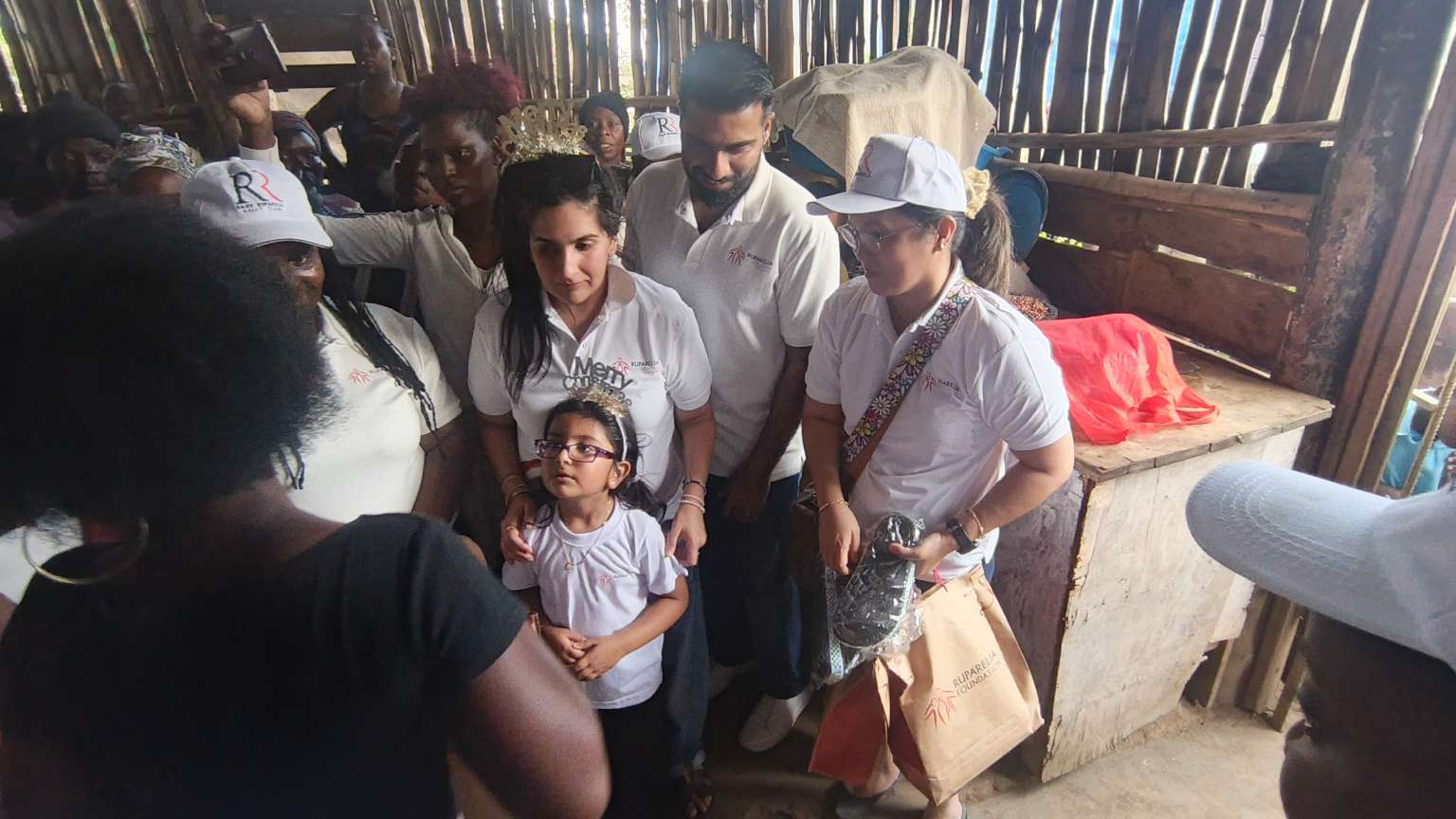
In the narrow lanes of Kamwokya, where daily life is shaped by resilience as much as scarcity, the approach of Christmas this year carried a quieter message of remembrance and renewal.
The Ruparelia family, working through the Ruparelia Foundation, chose the season not for ceremony but for action, framing their outreach as a continuation of values closely associated with the late Rajiv Ruparelia rather than as a one off gesture of charity.
The initiative unfolded on Friday with a focus that went beyond festive giving. At its centre was a sanitation programme designed to address one of Kamwokya’s most persistent challenges, poor waste management in densely populated informal settlements.
Environmentally friendly toilets constructed using plastic bottles collected by residents stood as both practical infrastructure and a symbol of shared responsibility. For community members, the structures reflected a rare blend of innovation and participation, turning waste into a resource while fostering local ownership.
Speaking at the handover, Ruparelia Foundation director Sheena Ruparelia said the project reflected a long term approach rather than a seasonal intervention.
She noted that sanitation was inseparable from dignity and public health, particularly in communities where basic services are often stretched. “This is about working with residents to create solutions that last,” she said, adding that the use of recycled plastic was intended to encourage environmental awareness alongside improved living conditions.
The sanitation work was accompanied by support aimed at easing the pressures many families face at the end of the year.
Food packages, sanitary supplies, toys, shoes and books were distributed to children and caregivers, many of whom said the assistance would allow them to mark Christmas with a sense of normalcy often out of reach.

Behind the scenes, contributions from family members, corporate partners and friends raised about 60 million shillings, funds that also went toward renovating washrooms in community centres used by children and youth groups.
For local organisations, the partnership carried particular significance. Mujuzi Patrick, founder of the Ghetto Research Lab, described the collaboration as an example of how philanthropy can move beyond short term relief.
He said the Lab’s ongoing work in training young people in plastic recycling, briquette production and other environmentally focused skills aligned naturally with the Foundation’s approach. “Unemployment and sanitation are deeply connected here,” he explained. “When young people learn to turn waste into something useful, it improves incomes and the environment at the same time.”
Underlying the day’s activities was a sense of continuity tied to Rajiv Ruparelia’s legacy. Family members and partners spoke of his belief that business success carried a responsibility to engage directly with communities, especially those often overlooked.
In Kamwokya, that philosophy appeared less as a slogan and more as a practical blueprint, linking memory to measurable change.
As the crowds dispersed and children clutched new toys and books, the impact of the visit lingered in quieter ways. Improved sanitation facilities promised safer conditions in the months ahead, while the emphasis on recycling hinted at livelihoods still taking shape.
In a season often dominated by excess, the Ruparelia family’s choice to honour loss through community investment offered a restrained but resonant message, that remembrance, when paired with responsibility, can translate into lasting public good.


