
News
Hajjat Namyalo Challenges Women To Rebuild Marriages Through Patience, Self-Respect

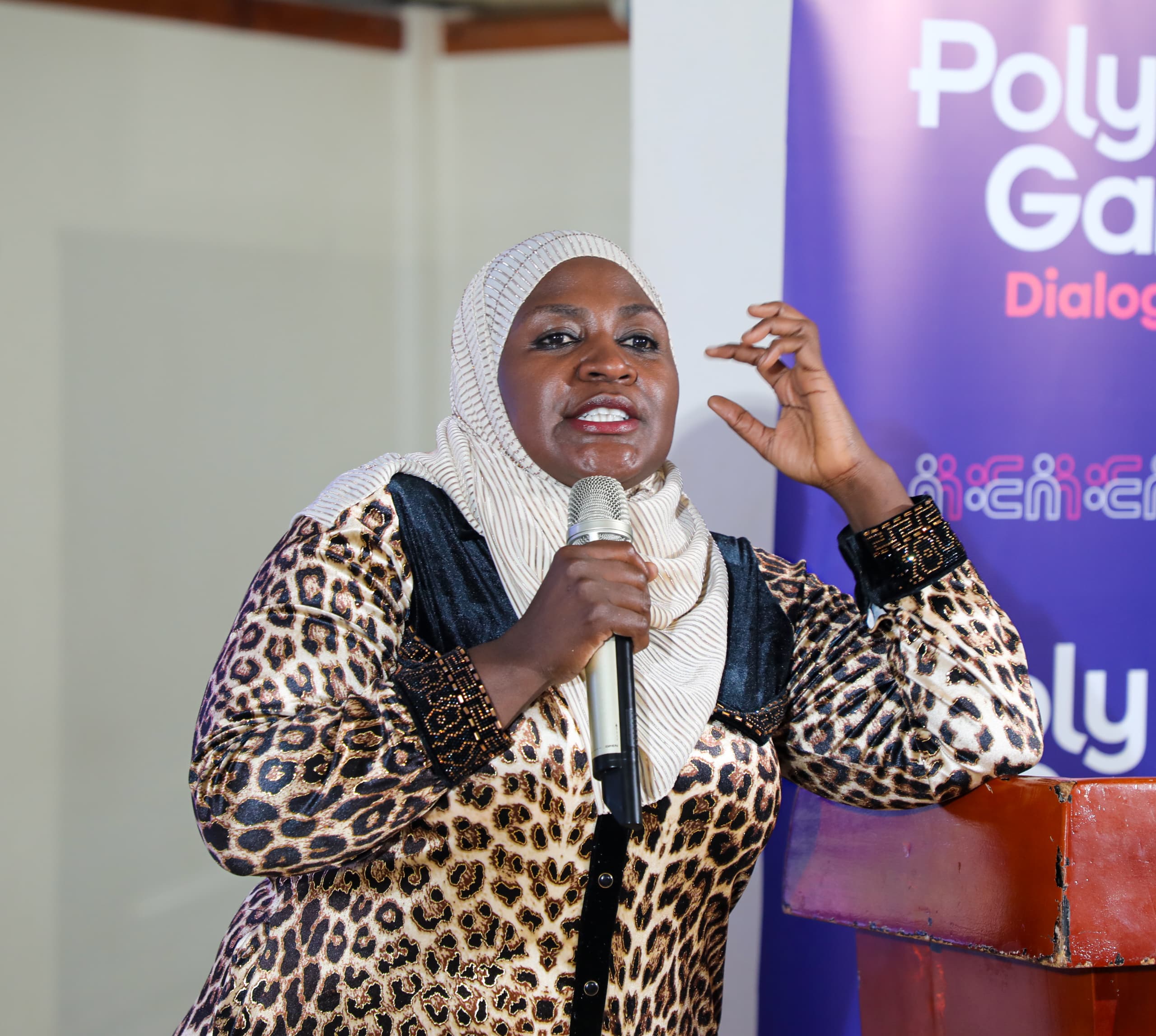
The Office of the NRM National Chairman Manager, Hajat Hadijah Namyalo Uzeiye, has called on Ugandan women to restore discipline, patience, and self-respect in their marriages, saying the growing trend of moral decay and domestic neglect is fueling the rise of irresponsible polygamous unions across the country.
Speaking to hundreds of Muslims gathered at Hotel Africana in Kampala for the second edition of the Polygamy Dialogue, Namyalo delivered a frank and impassioned message about the need to preserve the values that once held families together.
In her remarks, Namyalo, popularly known as the Chief Muzzukulu, said many marriages collapse because women gradually abandon the values that initially built their relationships.
She urged wives to nurture affection and maintain a sense of dignity and care in their homes, even amid the pressures of modern life. “Many women relax on marital values after a few years in marriage. Some stop caring for their homes or their husbands’ happiness, forgetting that men are exposed to temptations every day,” she said, adding that maintaining intimacy, respect, and patience is essential to keeping families strong.
Her message, though candid and provocative, was met with applause from sections of the audience, particularly when she encouraged women to embrace self-worth while preserving their homes with love and understanding.
Namyalo also turned her attention to single women, urging them not to succumb to societal pressure or desperation by settling for positions as second or third wives.
Instead, she encouraged them to value themselves and wait for partners who respect and cherish them. “Do not compromise your dignity,” she said. “Patience pays. It is better to be valued for who you are than to live in a home where your worth is diminished.”
Her address set the tone for a wider discussion among Muslim clerics who warned against the misuse of polygamy in Uganda.
Sheikh Hussein Ali Bulafu reminded participants that polygamy in Islam is not a license for indulgence but a conditional act requiring fairness, emotional balance, and financial stability. “Polygamy is not a must,” he explained. “It is guided by justice and ability. A man who cannot provide equally for his wives violates the spirit of the faith.”
Sheikh Burhan Muhsin Kiti, known for his witty and humorous teaching style, argued that some women indirectly contribute to their husbands’ decision to seek other partners through disrespect, neglect, or constant quarrels.
Yet, he was firm that no man should enter polygamy unless he possesses the maturity and resources to support all his wives equally. His comments sparked debate among attendees, many of whom expressed concern over how cultural and economic pressures have distorted the traditional meaning of polygamy.
State Minister for Housing, Hon. Persis Namuganza, who officiated as Chief Guest, commended Hajat Shania Kigozi for organizing the dialogue, describing it as a timely initiative that fosters open conversations about marriage and social harmony.
Namuganza said marriage should ideally remain a union between one man and one woman but acknowledged that society must face the reality of polygamy with understanding and fairness. “Men must be responsible and treat their wives with equal love and dignity. Inequality and jealousy destroy homes,” she said, encouraging men and women alike to uphold respect and balance in family life.
Namuganza also proposed that future editions of the dialogue be extended to rural communities, where women often face similar challenges but lack platforms to express themselves or seek guidance.
She further pledged to connect the organizers of the Polygamy Dialogue with President Museveni to explore ways of strengthening family cohesion and moral values as part of broader social transformation efforts.
By the close of the session, many attendees left reflecting on Namyalo’s powerful reminder that building strong families begins not with blame, but with self-discipline, compassion, and respect values that, if restored, could revive the moral fabric of Ugandan society.


