
News
Uganda Launches Biofuels Blending Programme in Bold Step Toward Energy Independence and Sustainability

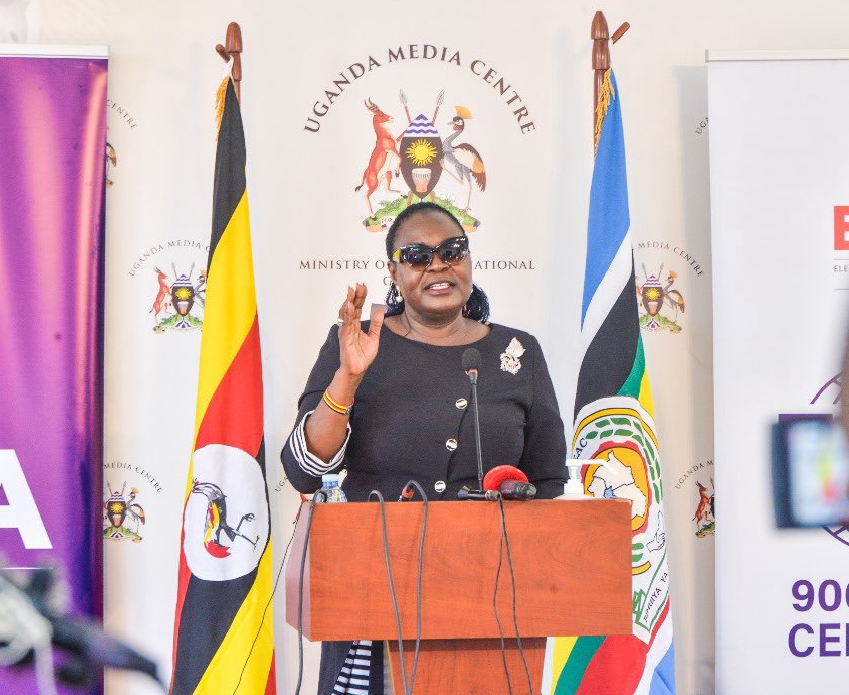
Uganda has taken a decisive step toward a cleaner, more self-reliant energy future with the official launch of the National Biofuels Blending Programme. The announcement, made by Minister for Energy and Mineral Development Hon. Ruth Nankabirwa at the Uganda Media Centre in Kampala, marks a turning point in the country’s energy strategy—one that promises to reduce reliance on fossil fuel imports while supporting local agricultural and industrial sectors.
Speaking to the press on Monday, Hon. Nankabirwa unveiled the government’s plan to introduce fuel blending beginning with a 5% ethanol mix in petroleum motor spirit, commonly known as petrol. The blend, referred to as E5, will serve as the initial phase of a broader rollout aimed at transforming Uganda’s fuel composition and enhancing energy resilience. “This initiative is not merely about fuel—it is a signal of our country’s resolve to transition toward a more sustainable and integrated energy economy,” the minister stated.
The programme is underpinned by a robust legal and policy framework, including Vision 2040, the National Energy Policy 2023, the Biofuels Act 2020, and the Biofuels (Licensing) Regulations 2022. These instruments collectively map out Uganda’s ambition to build a viable domestic biofuels industry. With these laws in place, the government now seeks to activate the economic and environmental benefits embedded in the policy documents—starting with the implementation of this blending initiative.
According to the Ministry, the programme is driven by five key objectives: strengthening national energy security, reducing greenhouse gas emissions, stimulating local economic activity, attracting investment, and eventually entering international markets with biofuel exports. The minister emphasized that blending ethanol, a renewable fuel derived from crops like maize, cassava, and sugarcane, will stabilize demand for farmers, generate employment, and add value across several sectors of the economy. “It’s a chance to empower our communities and create new opportunities in farming, processing, logistics, and even animal feed production,” she said.
Operational readiness is already well underway. Licensed ethanol producers in Uganda currently have a combined production capacity of 78.5 million litres annually, with future projections set to add an extra 110 million litres. Companies such as Pro Industries, Kakira Sugar, Hoima Sugar, and Bukona Agro-Processors are among those already on board. Meanwhile, strategic blending facilities have been set up at major border points, including Busia, Malaba, Mutukula, and Kawuku near Entebbe, ensuring a national distribution network is in place. Once operational, these four facilities will process approximately 110 million litres of petrol annually, all to be blended with ethanol.
In the short term, the programme will undergo a six-month incubation period, set to run until the end of December 2025. During this phase, stakeholders—particularly Oil Marketing Companies—are expected to fine-tune operational logistics, participate in awareness campaigns, and prepare for full-scale implementation. The government has also extended a tax exemption on denatured ethanol to ease affordability, reinforcing its commitment to making clean energy both accessible and cost-effective.
Addressing concerns over quality and standards, Hon. Nankabirwa assured the public that the Uganda National Bureau of Standards (UNBS) has finalized national specifications for blended fuels and ethanol. Additional safeguards, including fuel marking and traceability mechanisms, are being implemented to guard against adulteration and maintain public confidence in the new fuel products.
The minister further noted the economic advantages of the new system. Drawing from a decade-long price analysis, she explained that blending ethanol with petrol will help stabilize fuel prices over time and protect the economy from volatile international oil markets. Additionally, with the European Union already requiring a 2% ethanol blend in aviation fuel—and targeting 70% by 2050—Uganda’s entry into biofuels positions the country to tap into emerging global markets.
As the press conference concluded, Hon. Nankabirwa extended an open invitation to stakeholders for the formal launch of the Biofuels Blending Programme in August 2025. She called on all Ugandans to embrace this cleaner, locally produced alternative, highlighting its added benefits of better engine performance and combustion efficiency. “The success of this programme lies in collective ownership. From farmers to fuel distributors, to the everyday Ugandan, we all have a part to play,” she said.
The launch of the biofuels programme signals more than a policy shift; it marks a broader transformation in Uganda’s energy landscape. By turning to its own agricultural potential and aligning energy policy with climate and development goals, Uganda is positioning itself not just for energy independence—but for a greener, more resilient future.