
Politics
Akena Slams 2026 Elections As Worst Ever, Criticises Post Election Conduct By Security Chiefs

By Gad Masereka
The Uganda People’s Congress has intensified its criticism of the 2026 general elections, describing the exercise as deeply flawed while also turning its focus to what it calls troubling conduct by senior military leadership in the aftermath of the polls.
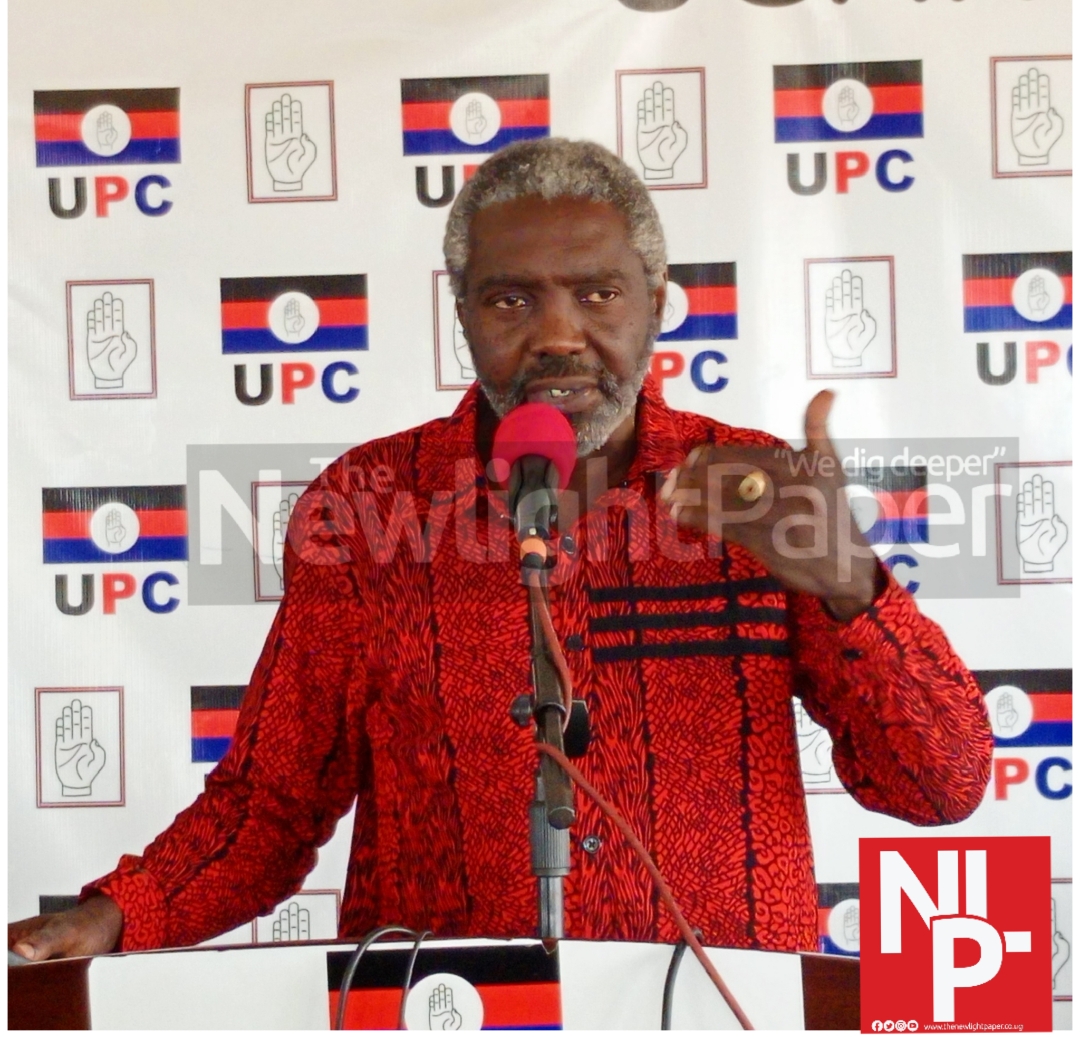
Addressing journalists at the party headquarters in Kampala on Wednesday, UPC President Jimmy James Akena painted a bleak picture of the electoral process, alleging widespread irregularities, voter intimidation and interference by security forces.
According to Akena, several parts of the country, particularly in areas considered UPC strongholds, voting and tallying were conducted under heavy military presence.
“These elections, in our view, were the worst this country has witnessed,” Akena said. He argued that the integrity of the process had been compromised and called for reflection on Uganda’s democratic trajectory.
In a striking comparison, Akena referenced the disputed 1980 general elections held under the leadership of his father, former President Milton Obote. He suggested that those who have long criticized the 1980 polls should reassess their position in light of what he described as more severe shortcomings in the 2026 exercise.
Beyond the conduct of the vote, Akena attributed his party’s performance to structural and financial constraints. He accused the government of failing to release funds under the Inter Party Organisation for Dialogue framework, which he said left opposition parties struggling to facilitate candidates and mobilize effectively.
He also alleged that some UPC leaders were placed under house arrest during the campaign period, further limiting the party’s outreach.
While criticizing the electoral environment, Akena also used the briefing to caution newly elected leaders within his party to prioritize public service. He urged them to focus on the interests of citizens and avoid the temptation of personal gain, saying that political credibility depends on service delivery and accountability.
The UPC leader’s remarks extended beyond the elections themselves to the conduct of the Chief of Defence Forces, Gen Muhoozi Kainerugaba. Akena accused the senior military officer of making statements that he said risk undermining democratic values and damaging Uganda’s international image.
“The office you hold is a very high office,” Akena said, addressing the CDF. “The kind of statements that come from that office should give confidence to the country, not create anxiety.”
Gen Muhoozi, who is also associated with the Patriotic League of Uganda, has in recent years drawn attention for his social media commentary, including remarks about opposition figures and foreign diplomats.
Some of his posts have sparked public debate and prompted clarification from government officials.
Information and National Guidance Minister Dr Chris Baryomunsi previously stated that the general’s social media posts do not represent official government policy and acknowledged that they sometimes complicate official communication. Gen Muhoozi has, in turn, defended his positions and responded strongly to critics.
Akena warned that rhetoric perceived as threatening could heighten political tensions, especially following a contested election.
He expressed concern over what he described as a climate of fear and cited reports that National Unity Platform leader Robert Kyagulanyi Sentamu had not been seen publicly since polling day, a development he said had unsettled sections of the opposition.
“As Ugandans, we must ensure that competition does not translate into intimidation,” Akena said. “At the end of any election, Uganda should be the winner.”
The Electoral Commission and security agencies have consistently maintained that elections are conducted in accordance with the law, and government officials have in the past dismissed allegations of systemic rigging. However, Akena’s remarks reflect continuing unease within segments of the opposition as the country moves into a new political term.
As debate over the credibility of the polls and the tone of public discourse continues, UPC leaders say their focus will be on strengthening internal structures and advocating reforms they believe are necessary to safeguard democratic institutions.
Whether those calls will translate into broader political consensus remains to be seen, but the conversation surrounding the 2026 elections shows little sign of fading.