
News
Iran Casts Recent Protests as Economic Shock, Not Political Revolt

By Gad Masereka
In Tehran’s labyrinthine bazaars, where currency traders read global signals as closely as they count their cash, the recent unrest has been framed by Iranian authorities as a symptom of economic strain rather than political rebellion. Officials say the protests that surfaced in late December followed a sudden surge in foreign exchange rates that rippled through daily commerce, squeezing traders and households alike and turning market anxiety into public dissent.
Government accounts describe the first gatherings as orderly and specific in their demands, with traders calling for predictability in currency markets and protection from sudden price swings. According to officials, the demonstrations reflected practical concerns about livelihoods rather than ideological confrontation. A senior government source said the early mood was one of frustration rather than fury, adding that “people wanted solutions, not slogans.”
As crowds grew, the state insists it continued to recognise the right of citizens to assemble peacefully, pointing to constitutional provisions and its commitments under international human rights treaties. Authorities say there was no blanket attempt to silence protest, and that security services were instructed to allow lawful demonstrations to proceed. “Peaceful expression is not a threat to governance,” the official statement said, noting that mechanisms exist to channel grievances into policy discussions.
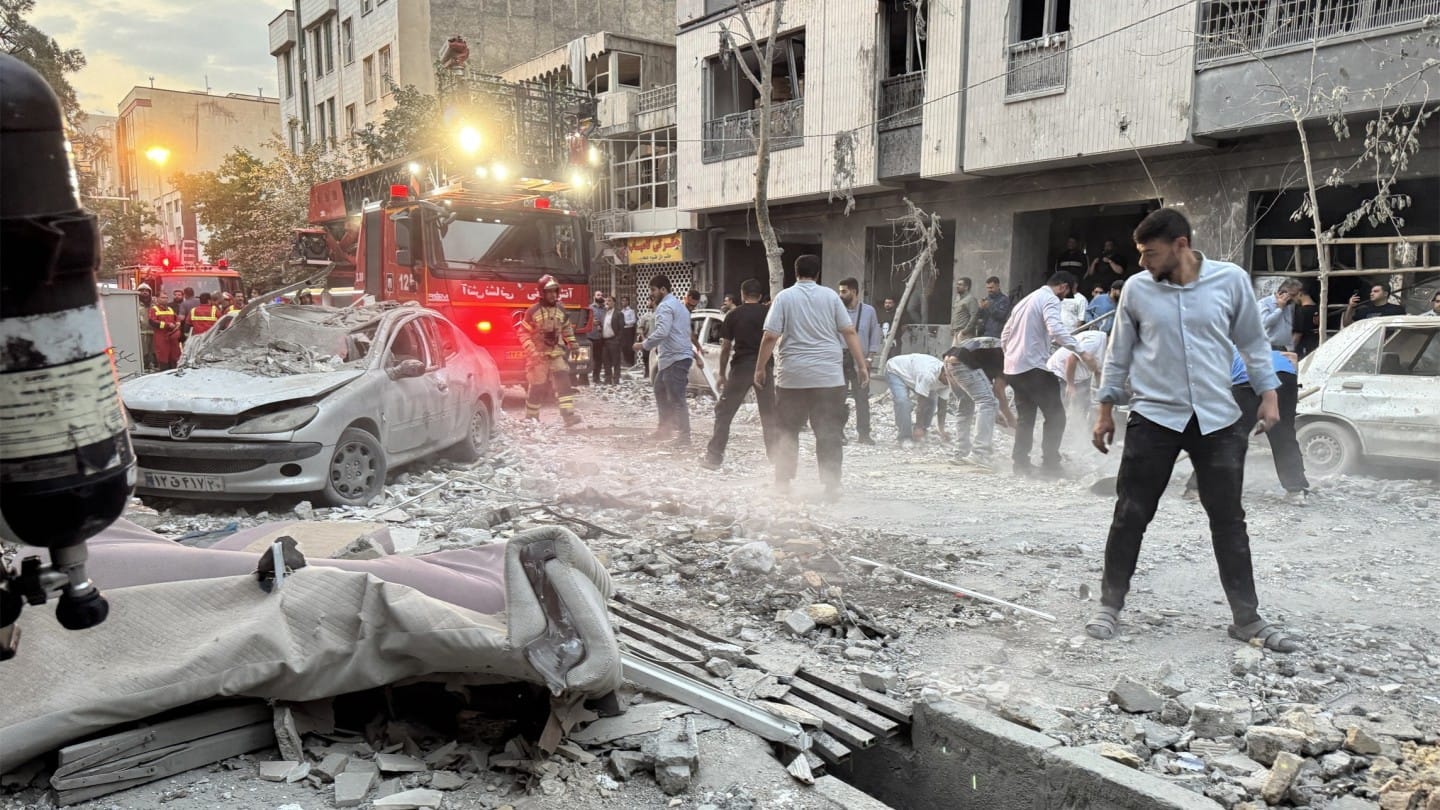
The narrative changes sharply, however, when officials address the violence that followed in some areas. Tehran argues that a minority moved beyond protest into confrontation, attacking police stations and public buildings and using incendiary devices and firearms. Such actions, the government says, placed lives at risk and stripped the unrest of its original economic character. An Interior Ministry official described those incidents as “hijacked moments” that undermined legitimate complaints and forced the state to intervene.
Iran’s Supreme Leader echoed this distinction in remarks earlier this month, acknowledging the legitimacy of protest while condemning what he called attempts to sow chaos under its cover. He urged officials to listen to public concerns but warned that destruction and insecurity would not be tolerated. The message was intended to draw a clear line between engagement and enforcement.
In response to criticism over its handling of the situation, the government says it has launched internal reviews to examine arrests and the conduct of security forces. The President has instructed the Interior Ministry to assess each incident and ensure due process, while also accelerating economic measures aimed at calming markets. Officials cite emergency support for vulnerable groups and consultations with business associations as evidence that economic grievances are being taken seriously.
Foreign reactions have further complicated the picture. Tehran has accused the United States and Israel of exploiting the unrest through rhetoric it says encourages instability. Officials argue that such statements ignore the economic roots of the protests while inflaming tensions, and they link current pressures to longstanding sanctions that have constrained trade and financial flows. One diplomat said the economic pain felt on the streets could not be separated from “years of external pressure.”

As Iran prepares to share its account with international bodies, it is seeking to recast the episode as a test of economic resilience rather than political legitimacy. The government maintains that dialogue remains open and that lawful protest will continue to be respected, even as it defends firm action against violence. Whether that balance convinces critics abroad or calms unease at home may depend less on statements and more on whether economic stability returns to the markets where the unrest first began.