
News
YKM Cyber Team Emerges As Key Actor In Uganda’s Online Political Arena

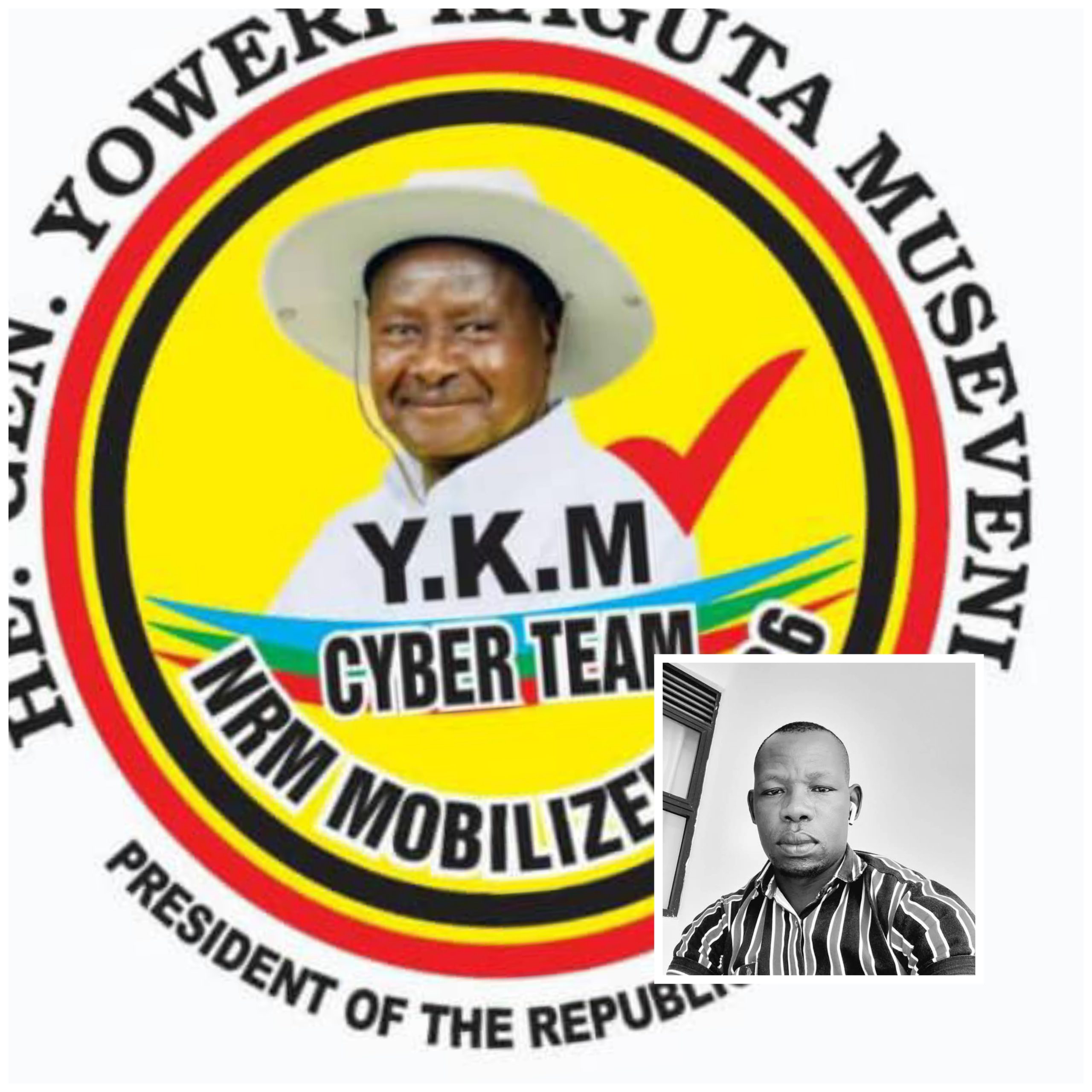
By Were Karim
The emergence of the YKM Cyber Team has added a new dimension to Uganda’s evolving political communication landscape, bringing together thousands of young citizens who believe the country’s future will be shaped as much online as it is in traditional political arenas.
Rising from a small group of digitally active supporters to a nationwide network, the team now finds itself at the centre of political mobilisation as attention turns to the 2026 elections.
What began in 2021 as a loosely connected group of young professionals and students has since grown into a coordinated structure with more than twelve thousand recognised coordinators operating across nearly every district. Their presence is most visible on social media platforms where political narratives often take shape long before they reach campaign rallies.
Members describe themselves as patriotic Ugandans who share a belief in the principles of nationalism, pan African unity, democratic participation, and socio economic transformation, values they say align closely with the leadership of President Yoweri Kaguta Museveni and the National Resistance Movement.
The group’s rise coincides with a broader shift in Uganda’s political environment where digital platforms have become central to shaping public opinion. With a population dominated by young people who consume news on their phones rather than through traditional outlets, political actors increasingly rely on online communities to guide, influence, and sometimes counter emerging narratives.
The YKM Cyber Team argues that it fills that role by amplifying government achievements, responding to accusations from political rivals, and creating digital campaigns that highlight programmes such as the Parish Development Model.
Members say their work extends beyond producing online content. They have increasingly been visible in physical spaces, holding meetings, conducting youth engagements, and organising small community activations in markets and public centres.
According to senior coordinators, these activities reflect their belief that effective mobilisation requires a combination of digital influence and direct interaction. One member explained that their mission is to ensure that citizens “do not engage with politics only through viral posts but through informed discussion grounded in verifiable information.”
The team plans to intensify its work as the election period approaches. Coordinators say they are preparing daily information packages including videos, graphics, articles, and short audio explainers designed to present government achievements in a simplified manner for online audiences.
There are also plans for virtual debates featuring political analysts and youth leaders who will discuss policy matters such as economic recovery, education, and regional stability. Internally, the team is building a rapid response system that tracks misinformation and produces counter messages in real time.
Analysts observing the group note that its strength lies in the scale of its youth engagement. Many of its followers are first time voters seeking political content that feels accessible and relatable.
The team says its goal is to convert this interest into active participation by training five thousand digital ambassadors who will help explain government policies and mobilise support in both urban and rural areas. Their projections estimate that their online content could attract more than one million engagements every month at the peak of the campaign.
Despite its enthusiasm, the team acknowledges that its full potential depends on stronger collaboration with official NRM structures. Coordinators say they are hopeful that recognition from party and State House officials will strengthen their logistical capacity and enable them to expand their operations to remote communities where digital penetration remains low. They believe such support would allow them to merge online influence with a deeper grassroots presence, ultimately shaping a more informed electorate.
As Uganda moves toward a politically charged period, the YKM Cyber Team is positioning itself as an important actor in the digital contest for public opinion. Its members insist that they are prepared to contribute to the national conversation by promoting verified information and encouraging active citizenship.
They argue that with appropriate support, they can help deliver a strong communication front for the president while mobilising young people who increasingly see digital spaces as the primary gateway to political participation.