
News
Uganda’s NGO Funding Bill and Sovereignty Proposal Expose Gaps Between Policy Goals and Legal Provisions

KAMPALA, March 30 — Uganda’s proposed NGO Funding Bill, 2026, alongside the Protection of National Sovereignty Bill, 2025, is drawing increased scrutiny over apparent gaps between their stated objectives and the enforceable measures contained in the draft laws.
The NGO Funding Bill sets out a range of policy goals, including reducing dependence on foreign funding, promoting literacy and social development, lowering operational costs for organizations, strengthening accountability, and safeguarding national sovereignty.
However, a closer reading of the draft indicates that not all of these objectives are matched by clear, actionable provisions.
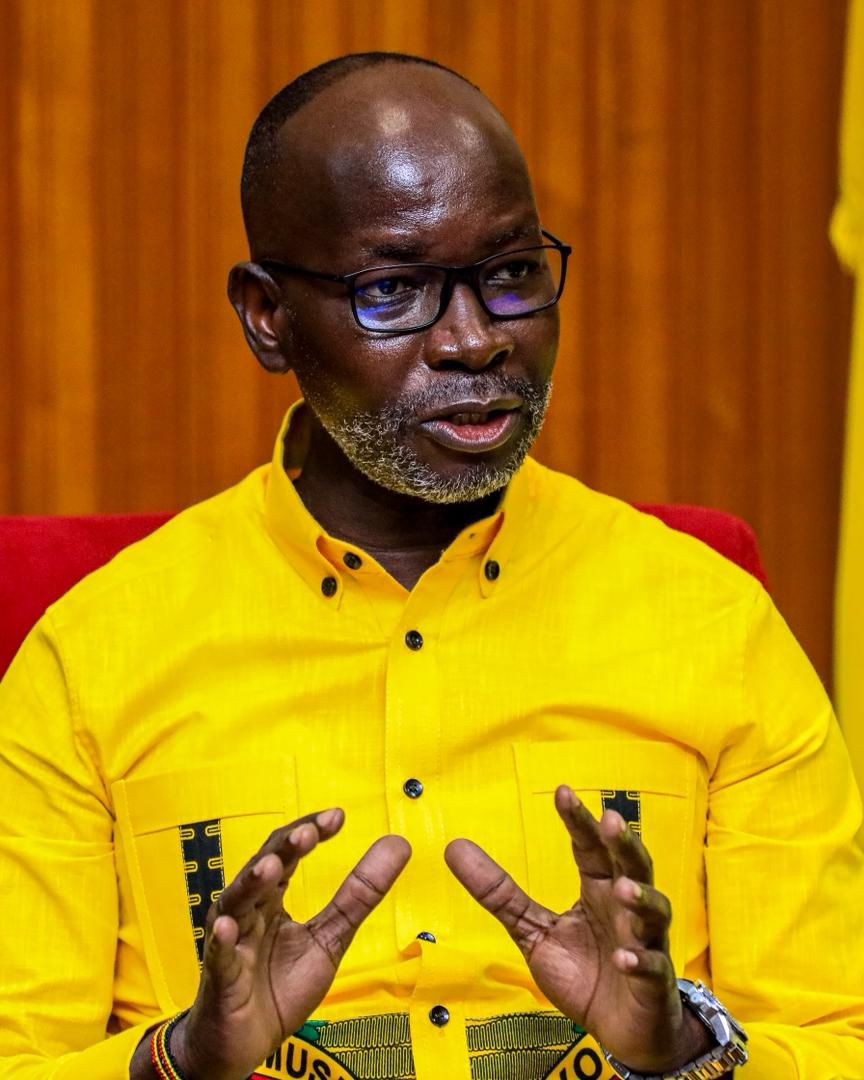
The bill, which was petitioned to Parliament by Martin Luther Nyanzi, provides detailed mechanisms on financial oversight and compliance, requiring non-governmental organizations (NGOs) to submit monthly reports to the National NGO Bureau.
These reports would include disclosures on funds received, their sources, expenditures, activities, and areas of operation.
It also introduces strict requirements on foreign funding, mandating full disclosure of external financial support, including the source, amount, and intended purpose.
Restrictions are provided on funding linked to influencing political or electoral processes, aligning with the bill’s stated aim of protecting national sovereignty.
These provisions clearly reinforce the objective of strengthening accountability.
However, other stated goals appear less concretely addressed within the enforceable framework.
For instance, while the bill emphasizes reducing reliance on foreign funding, its provisions largely focus on regulating and controlling external financing, rather than establishing structured systems to promote domestic resource mobilization or incentivize local funding streams.
Similarly, the proposal references reducing registration fees and taxes on equipment used in sectors such as education, health, and community development.
Yet these measures are not explicitly codified as immediate entitlements within the draft law, leaving their implementation dependent on future regulatory action.
The bill also highlights promoting literacy and social development, particularly in districts with high illiteracy levels.
However, it does not set out specific operational mechanisms or programmatic requirements detailing how NGOs would be supported or guided to achieve these objectives.
In contrast, the Protection of National Sovereignty Bill, 2025 places stronger emphasis on regulatory control over foreign influence.
The draft introduces requirements for timely declaration of foreign funding and provides for restrictions on external financing linked to political activities or processes.
It also proposes broader oversight powers aimed at ensuring that foreign support does not undermine national interests, reinforcing the sovereignty-focused objectives outlined in both legislative proposals.
Across both bills, a consistent pattern emerges: regulatory and compliance mechanisms—particularly those related to foreign funding, reporting, and licensing—are clearly defined and enforceable, while several developmental and support-oriented objectives remain broadly stated without corresponding legal structures.
The two bills remain under consideration and are expected to play a significant role in shaping the operational environment for NGOs in Uganda, particularly in areas of funding, accountability, and alignment with national priorities.
