
News
Uganda Civil Society Organisations Rejects Proposed NGO Funding

March 23, 2026 | Kampala
Civil society organisations in Uganda on Monday called for an immediate reversal of government actions targeting non-governmental organisations (NGOs), rejecting accusations that they are linked to terrorism and warning that continued restrictions could undermine democratic freedoms.
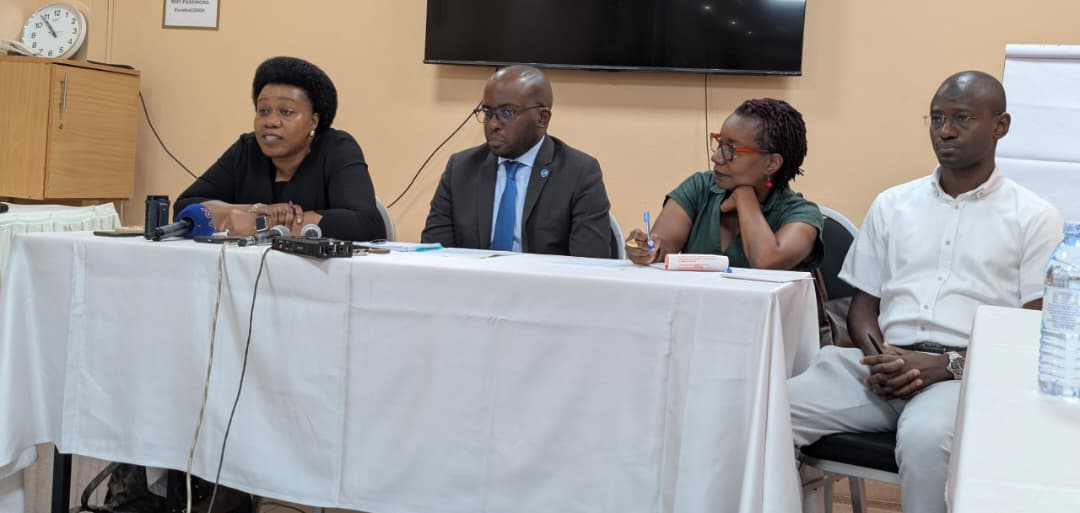
Speaking at a joint press briefing in Kampala, activists said the measures including suspensions and financial restrictions were unjustified and part of a broader pattern of shrinking civic space.
“NGOs are not terrorist organisations,” the groups said, insisting they remain key partners in service delivery, governance, and human rights advocacy.
The statement was presented by civic activist Andrew Karamagi and featured contributions from Sarah Bireete, Sarah Mukasa, and Job Kiija, who condemned what they described as increasing hostility towards civil society.
Crackdown and political context
The organisations said the current measures mirror past government actions taken during politically sensitive periods, including previous NGO suspensions and raids ahead of elections.
They warned that continued pressure on NGOs could weaken independent oversight, reduce public participation, and erode trust in democratic processes.
Ugandan authorities have previously defended such actions as necessary to ensure compliance with the law and protect national security.
Concerns over proposed NGO fund (NGO Funding Bill)
Beyond the immediate crackdown, civil society groups raised alarm over a proposed regulatory framework that would establish a centralised NGO fund (NGO Funding Bill) and tighten control over how organisations receive and use financing.
Under the proposed law, NGOs would be required to disclose all foreign funding received, including sources, amounts, and intended use, within a strict reporting period.
Authorities would be empowered to limit the proportion of foreign funding that organisations can access.
The draft framework also proposes that large foreign grants may be subject to government approval and channelled through the central fund, effectively reducing direct donor-to-NGO transactions.
In addition, the Bill seeks to:Reduce reliance on foreign funding and promote local resource mobilisation Strengthen financial accountability and transparency requirements
Restrict funding linked to political or electoral activities
Supporters say the proposals aim to safeguard national sovereignty and improve oversight, but critics argue they could allow the state to exert significant influence over civil society operations.
Fears of reduced independenceCivil society actors warned that centralising funding control risks undermining their independence, particularly for organisations engaged in governance, anti-corruption efforts, and election monitoring.
They said such measures, combined with ongoing enforcement actions, could significantly shrink civic space and limit the ability of NGOs to operate freely.
Call for dialogue
The groups called on the government to halt the crackdown and engage civil society through dialogue, urging authorities to respect constitutional freedoms of association and expression.
They also appealed for any regulatory reforms including those linked to the proposed funding framework (NGO Funding Bill) to balance accountability with the need to preserve the autonomy of NGOs.
ConclusionCivil society organisations said reversing the crackdown is critical to protecting democratic principles and ensuring continued service delivery across Uganda, warning that failure to act could have far-reaching consequences for governance and public trust.
