
News
Iran Confirms Ali Khamenei Alive After US Israel Strikes

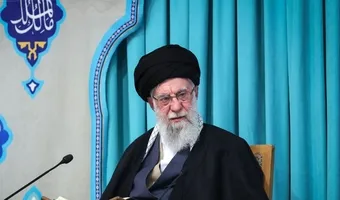
Iran’s Foreign Minister Abbas Araghchi has confirmed that Supreme Leader Ali Khamenei is alive, firmly dismissing reports that he was killed during recent joint military strikes by the United States and Israel, as tensions across the Middle East continue to intensify.
Speaking in an interview with NBC News on Saturday, Araghchi said Iran’s top leadership remains intact and operational despite the attacks. “All high ranking officials are alive and continuing their responsibilities,” he said, adding that the government in Tehran is functioning normally.
His remarks came amid widespread speculation online and in some international outlets claiming that Khamenei had died following strikes on strategic targets inside Iran.
The reports surfaced after a series of coordinated air operations carried out earlier this week, which Washington and Tel Aviv described as targeting Iranian military infrastructure.
Unverified claims suggested that several senior officials were killed in the bombardment, including commanders linked to the Islamic Revolutionary Guard Corps. Iranian authorities have not released detailed casualty figures, but Araghchi’s statement sought to draw a clear line between confirmed losses and what he termed misinformation surrounding the country’s leadership.
The confirmation is significant not only for domestic stability in Iran but also for the broader geopolitical climate. Rumours about the death of a sitting supreme leader carry enormous implications for regional security, financial markets and diplomatic relations. By addressing the matter directly, Tehran appeared intent on projecting continuity and control at a time of heightened military confrontation.
Even as he rejected reports of Khamenei’s death, Araghchi signalled that Iran remains open to de escalation if military operations cease. He said Iran’s current actions are focused primarily on American military installations in the region and are not intended to widen the conflict. “We are interested in de escalation,” he noted, suggesting that diplomatic channels could still be activated if the United States seeks dialogue.
In the days following the strikes, Iran launched retaliatory attacks against several US bases across the region, escalating fears of a broader confrontation. Regional governments, particularly in the Gulf, have since urged restraint, warning that further escalation could destabilise an already fragile security environment.
As the situation unfolds, the survival of Iran’s supreme leader removes one layer of uncertainty but does little to calm the larger crisis. With military exchanges continuing and diplomatic signals cautiously emerging, the coming days are likely to determine whether the region moves toward negotiation or deeper conflict.