
Breaking News
NGO Funding Bill 2026 Proposes Sweeping Reforms on Foreign Funding

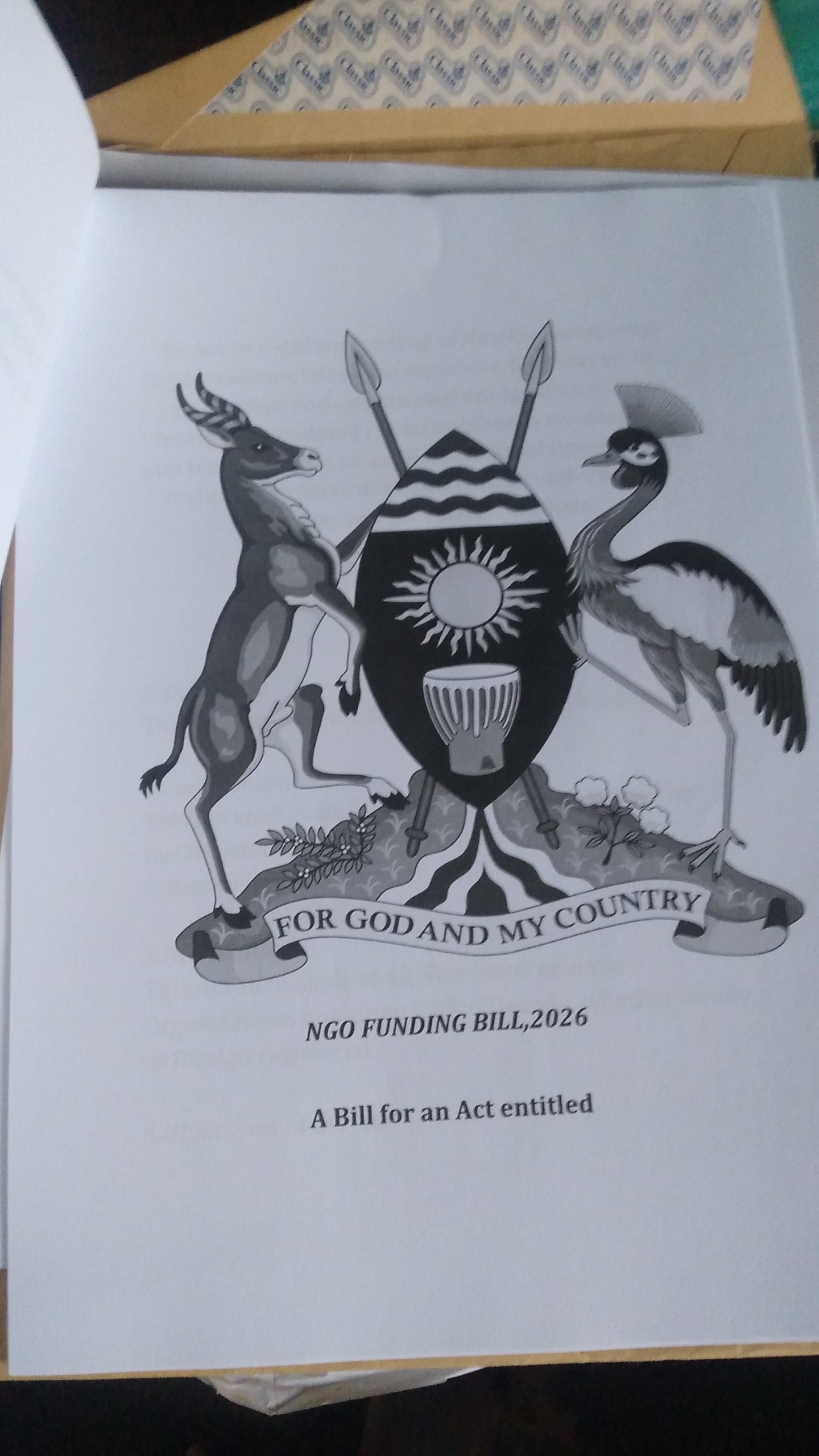
KAMPALA — A new legislative proposal titled the NGO Funding Bill, 2026 seeks to introduce far-reaching reforms in the regulation, taxation, and funding of Non-Governmental Organizations (NGOs) operating in Uganda, in what could mark a significant shift in the country’s civil society framework.
The draft Bill, which outlines a structured legal regime governing NGO financing and accountability, aims to reduce excessive foreign dependency, lower registration costs, strengthen transparency, and promote national development particularly in underserved districts affected by high illiteracy levels.
If enacted, the law would apply to all NGOs operating within Uganda, whether locally incorporated or foreign-registered.
Objectives of the Proposed Law
The Bill sets out clear objectives designed to balance national sovereignty with civil society operations.
Among its key goals are:Reducing foreign dependency among NGOs;Promoting literacy and social development in districts with high illiteracy rates;Reviewing and reducing excessive registration fees and taxes imposed on NGO operational equipment;Strengthening accountability mechanisms to prevent misuse of funds;Safeguarding national sovereignty from undue foreign interference.
The draft legislation states that its implementation shall be guided by principles of transparency, accountability, national interest, promotion of education, and protection of lawful civil society activities.
Reduced Fees and Tax Relief
Under Part II of the proposed framework, registration fees applicable to NGOs would be reviewed and reduced to ensure greater accessibility and operational sustainability.
The Bill further proposes tax reductions or exemptions on equipment imported or acquired for educational, literacy, health, or community development purposes. Such exemptions would be implemented in accordance with regulations made under the Act.
Proponents of the reforms argue that high operational costs have constrained NGOs, especially smaller organizations working in rural and underserved communities.
Tighter Controls on Foreign FundingOne of the most significant aspects of the Bill is the regulation of foreign funding.
The draft requires every NGO to disclose all foreign funding received, including the source, amount, and intended purpose.
All foreign funding must be declared to the NGO Bureau within fourteen days of receipt.
In addition, the Minister responsible for Internal Affairs would be empowered, through regulations, to prescribe limits on the proportion of foreign funding an NGO may receive annually.
The Bill also prohibits NGOs from receiving foreign funding intended to influence national political processes, electoral activities, or undermine national sovereignty.“Foreign funding” is defined in the Bill as financial, material, or technical support received from sources outside Uganda.
Encouraging Local SustainabilityBeyond restrictions, the proposed law encourages domestic resource mobilization and local partnerships as a strategy to reduce excessive reliance on foreign donors.
NGOs would be required to demonstrate efforts toward local sustainability as part of their annual compliance review, signaling a push toward self-reliance within the sector.
Supporters argue that this approach will strengthen grassroots ownership and reduce vulnerability to shifting foreign donor priorities.
Monthly Reporting and CompliancePart III of the Bill introduces enhanced reporting and accountability requirements.
Every NGO would be required to submit monthly reports to the NGO Bureau detailing:Funds received during the month;Sources of those funds;Detailed expenditure records.
A “license” under the Bill refers to a valid operational permit issued by the NGO Bureau.
The Act would come into force on a date appointed by the Minister responsible for Internal Affairs through a statutory instrument.
Potential Impact and Debate
The NGO Funding Bill, 2026 is expected to generate debate within Parliament and among civil society actors.
Advocates of the reforms say the Bill promotes accountability, strengthens national sovereignty, and supports development priorities such as education and literacy in underserved districts.
However, critics may raise concerns about the potential impact of funding caps and expanded ministerial regulatory powers on the independence and operational space of civil society organizations.
With NGOs playing a critical role in service delivery, governance advocacy, health, education, and humanitarian support, the proposed legislation could significantly reshape Uganda’s civil society landscape.
As the Bill moves closer to formal consideration, stakeholders across government, civil society, and development partners are likely to scrutinize its provisions and implications in the months ahead.
