
Breaking News
Deputy Speaker Of Parliament Thomas Tayebwa Says He Can’t Preside Over NGO Funding Bill

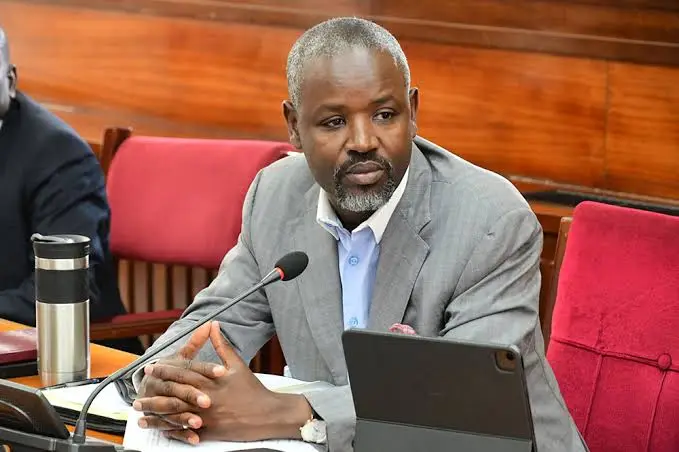
Kampala, Uganda — The debate surrounding the proposed NGO Funding Act intensified today after the Deputy Speaker of Parliament Thomas Tayebwa indicated he would not preside over proceedings on the bill unless the House first formally pronounces itself on the matter.
The Deputy Speaker reportedly told legislators that his role is procedural, likening himself to a referee who cannot take a position before the House has made its position clear.
“I am like a referee; the House should first pronounce,” he said, emphasizing that he cannot preside over the bill in the absence of a clear position from Members of Parliament.
The development comes amid growing calls for broader consultations on the proposed legislation, including from Nakaseke South MP, Paulson Lutamaguzi Ssemakula.Ssemakula has argued that while the proposed NGO Funding Act may not necessarily be “bad,” many laws enacted in recent years are often perceived as politically motivated.
“The bill, the NGO Funding Act proposal wouldn’t be bad, but you know most of the laws here in Uganda which are being enacted today have political motives,” he said. “Yes, it can reduce foreign dependence, but what has been happening before?”
He stressed that legislation affecting non-governmental organizations must be subjected to wide consultations, given the significant role NGOs play in service delivery and social transformation.
“Being a legislator doesn’t mean that we know everything, so there has to be wide consultation especially among the NGO world. You consult locally and internationally, then you get the views of the NGO house and the views of the people,” he said.
According to Ssemakula, any law that directly affects NGOs inevitably affects the wider population, since many organizations operate in areas such as health, education, governance, and humanitarian support.
“Majorly these NGOs come out for change, to change the society. So anything that affects the NGOs directly, it also indirectly affects the population because they are meant majorly to serve the population,” he added.
The Deputy Speaker’s remarks have added a procedural dimension to the already heated debate, signaling that the House must first reach consensus or formally express its position before further steps can be taken on the bill.
As discussions continue, the proposed NGO Funding Act remains a focal point of national attention, with supporters arguing it will enhance accountability and transparency, while critics warn it could limit operational independence and foreign funding streams that sustain many community-based initiatives across Uganda.


