
Business
Sudhir Ruparelia Bets Big On Hotels, Offices As Kampala Market Evolves

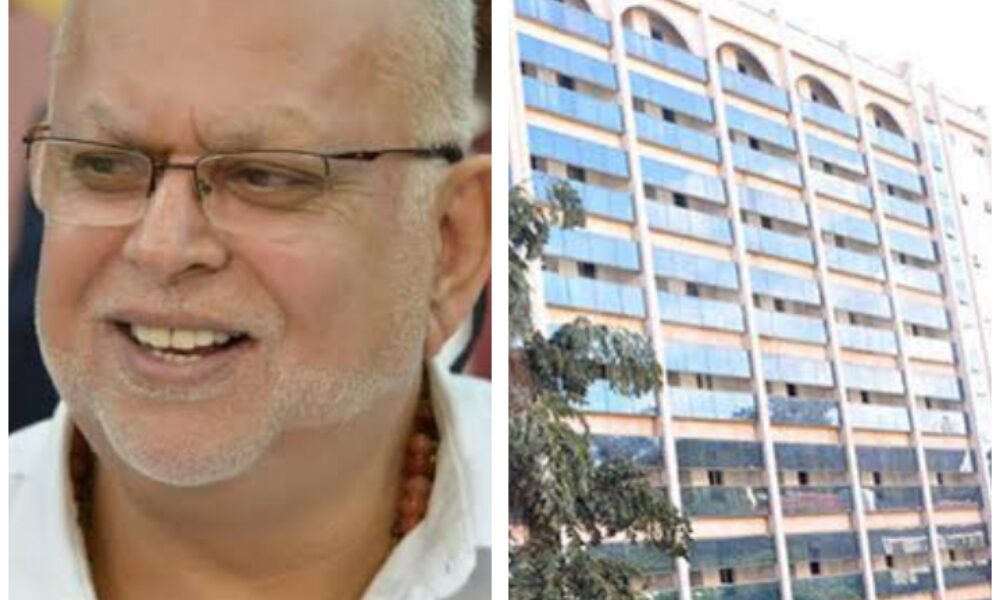
As Kampala’s real estate and hospitality markets evolve, businessman Sudhir Ruparelia is doubling down on large-scale developments that blend luxury, convenience, and strategic urban positioning. Recent reports by Stanbic Uganda highlight a nuanced shift in the city’s office market, noting oversupply in the central business district and the rising appeal of Mukono and Wakiso districts within the Kampala Metropolitan Area. Despite this, demand for high-quality A and B grade office spaces continues to grow by around four percent, reflecting Kampala’s resilience as a business hub.
Parallel to this, Uganda’s tourism sector continues its expansion. The 2019 Tourism Marketing Master Plan recorded over 3,800 hotel establishments, collectively offering more than 250,000 rooms and 300,000 beds, with domestic private investors accounting for three-quarters of the market. Within this landscape, Sudhir Ruparelia emerges as a dominant player, delivering premium office and hospitality spaces while generating employment for thousands and reinforcing Uganda’s reputation as a prime East African investment destination.
One of the group’s most ambitious undertakings is the Kabira Country Club expansion in Bukoto, Kampala. The project integrates world-class leisure and business facilities including squash courts, expansive indoor and outdoor restaurants, a youth and business center, conference halls, pool-side apartments, a six-lane bowling alley, and underground parking. A luxury shopping mall will further complement the facility. Strategically situated near the Central Business District, Kabira Country Club combines accessibility to prime residential and diplomatic neighborhoods with proximity to key commercial hubs, offering an unprecedented blend of convenience and sophistication.
Phase Two of the Kingdom Kampala development further exemplifies Sudhir Ruparelia’s vision for integrated urban spaces. Nestled between Nile Avenue, Yusuf Lule Road, and Dewinton Road, the complex will include a 16,500-square-meter luxury hotel with conference facilities, 40,000 square meters of corporate office space, a 30,000-square-meter shopping center with entertainment zones, and upscale residential apartments. The hotel component, Kingdom Kampala Hotel, is slated for completion in 2026, promising to add 200 luxurious rooms to the city’s hospitality inventory.
Complementing these developments is the Pearl Business Park, an 18-acre transformation of the former Chieftaincy of Military Intelligence headquarters along Yusuf Lule Road. The mixed-use facility will host a five-star hotel, a shopping mall, and a modern hospital, reflecting a strategic approach to combining business, hospitality, and healthcare in one location.
Sudhir Ruparelia has also partnered with the government on landmark projects such as the Convention Centre at Commonwealth Speke Resort Munyonyo, a facility designed to host high-profile international summits including the Non-Aligned Movement and G77 plus China meetings. By providing the land and technical oversight, Ruparelia Group has enabled the government to overcome financial constraints, ensuring Uganda has a convention facility that meets global standards.
The Speke Resort and Convention Centre in Entebbe exemplifies the group’s premium hospitality offerings, featuring a marina, a convention hall, and a three-winged hotel block topped with ten floors of penthouse suites. Across Kampala and Entebbe, the Ruparelia Group’s portfolio spans high-end resorts, hotels, apartments, and restaurants including Speke Resort and Conference Centre, Munyonyo Commonwealth Resort, Kabira Country Club, Speke Hotel, Dolphin Suites, Tourist Hotel, Forest Cottages, and the recently expanded Speke Apartments.
Industry analysts note that Sudhir Ruparelia’s strategy is not merely about adding square meters to the cityscape. By combining hospitality, office, retail, and leisure within integrated developments, the group creates ecosystems that attract investors, tourists, and business professionals alike, ensuring that Kampala’s urban growth is both vertically and economically sustainable. These projects highlight how strategic foresight, scale, and quality can position a city as a competitive hub while contributing meaningfully to employment and national economic growth.