
Business
Dr. Sudhir Shares Hard Earned Lessons On Winning In Real Estate

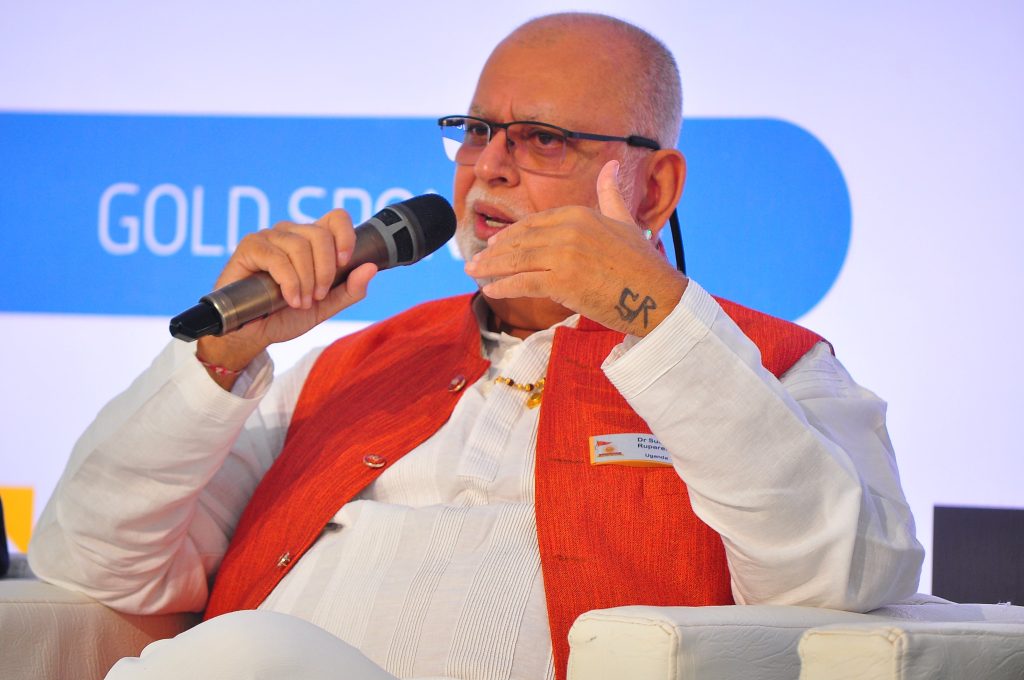
On a humid afternoon at the Uganda Revenue Authority business summit four years ago, participants expected policy talk and tax guidance. Instead, they received what many now describe as a candid masterclass in property survival from Sudhir Ruparelia, a man whose name has become inseparable from Kampala’s modern skyline.
Seated before an audience of entrepreneurs and aspiring investors, the chairman of the Ruparelia Group distilled decades of experience into simple counsel. Real estate, he said, rewards patience more than bravado. “Plan it right. Do not rush to borrow,” he told the gathering, cautioning that the same sector that creates fortunes can quickly erode them when driven by ego or easy credit.
The advice was rooted in lived experience. Through Meera Investments, the property arm of his conglomerate, Ruparelia has assembled hundreds of commercial and residential units that serve thousands of tenants daily. Landmark projects such as Pearl Business Park along Yusuf Lule Road and the upscale One 10 Apartments in Kololo stand as visible testaments to a long game anchored in location and disciplined financing.
Yet his most repeated message has little to do with glass towers or penthouses. It centres on risk. Real estate, he explained, locks away capital for years. Investors must therefore deploy money they can afford to set aside without destabilising their daily cash flow. “Once you put money into a building, it is no longer liquid,” he said. “What sustains you is the income it generates, so manage your cash flow carefully.”
He has consistently urged first time investors to start modestly. Acquire land, add value gradually and resist the temptation to over leverage at the beginning. According to him, early borrowing at high interest rates remains one of the most common pitfalls in Uganda’s property market. “If you overstretch, you may lose everything,” he warned, drawing nods from business owners familiar with volatile credit cycles.
At the same time, Ruparelia does not dismiss financing outright. For salaried workers paying substantial monthly rent, he suggests that a mortgage whose repayment mirrors rental expenses can become a pathway to asset ownership. In such cases, debt transforms from burden to bridge, provided it is aligned with stable income.
Another of his enduring themes is the shift toward vertical living. As land prices within Kampala continue to climb, he argues that condominiums represent both efficiency and opportunity. Shared maintenance costs, enhanced security and proximity to workplaces make them attractive for a growing urban middle class. Developments such as One 10 Apartments illustrate this belief that density, when well planned, can coexist with comfort and prestige.
Beyond Kampala, he points to demographic trends that favour sustained expansion. Uganda’s youthful population and rapid urbanisation are fuelling demand not only for housing but also for offices, warehouses and hospitality facilities. In his view, the question is not whether real estate will grow, but who will approach it with sufficient prudence to endure market cycles.
Ruparelia also highlights the importance of regulatory compliance, urging buyers to verify building approvals, environmental clearances and occupation permits before committing funds. Proper documentation, he maintains, protects both investor and tenant and preserves the integrity of the wider market.
Perhaps his most emphatic assertion is that property acts as a hedge against inflation. Currency values fluctuate, he notes, but well located land and buildings tend to appreciate over time. “Inflation will eat idle cash,” he remarked. “But if you plan your investment correctly, property will grow with the economy.”
For a businessman whose developments have helped redefine the capital’s commercial districts, the lessons carry weight. They reveal a philosophy shaped not by speculation, but by incremental growth, strategic partnerships and an unwavering focus on fundamentals. In a sector often associated with quick gains and bold headlines, Ruparelia’s counsel returns repeatedly to restraint.
As Uganda’s property market extends into emerging cities and embraces modern urban design, his blueprint remains remarkably consistent. Start where you are. Choose the right location. Protect your cash flow. Above all, build with foresight. In that measured approach lies the quiet logic behind one of the country’s most enduring real estate fortunes.