
News
Minister Balaam Intervenes As Masindi Sugar Dispute Escalates Over Weighbridge Removal

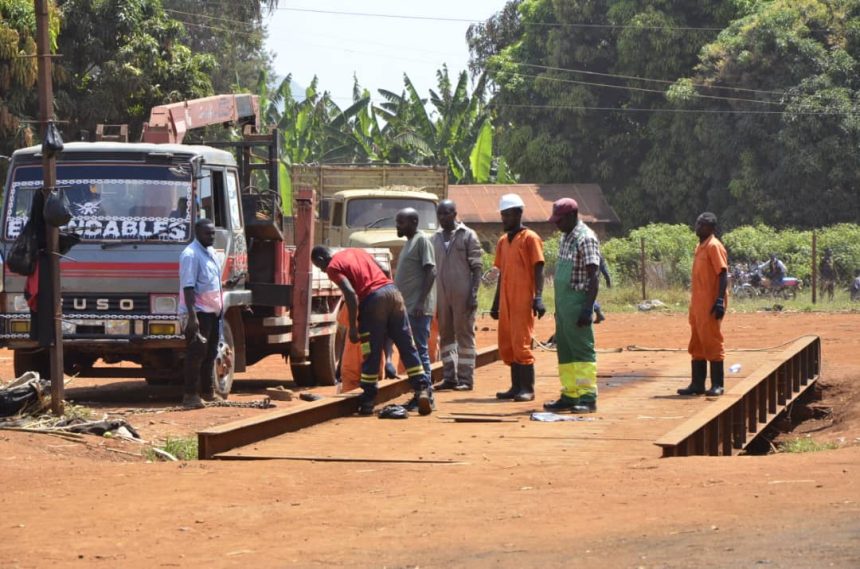
An uneasy calm has settled over Masindi after weeks of tension triggered by the dismantling of a sugarcane outgrowers’ weighbridge, a move that ignited protests from farmers and exposed deep cracks within Bunyoro’s sugar industry.
Now, a fresh push for dialogue led by State Minister for Youth and Children Affairs Hon. Balaam Barugahara Ateenyi is offering a possible path away from confrontation and towards structured engagement.
The dispute centres on independent weighbridges established by sugarcane outgrowers to measure their produce before delivery to factories such as Kinyara Sugar Works. Farmers argue that these weighbridges are not merely metal structures but safeguards against under weighing and unexplained deductions.
Many insist that transparent measurement is the only way to guarantee fair pay in a value chain where small scale growers often feel overpowered by millers.
Trouble escalated when police supervised the dismantling of the Masindi outgrowers’ weighbridge following a directive reportedly linked to the Internal Affairs ministry. The action stunned members of the Bunyoro Sugarcane Outgrowers Cooperative Union, who described it as abrupt and inconsistent with earlier government guidance encouraging transparency in the sector. In the days that followed, cooperative leaders warned of financial losses and disruptions to cane supply if the impasse persisted.
Against this backdrop, Balaam, a native of the region, found himself at the centre of mounting pressure from farmers seeking intervention. Groups of growers frequented his residence in Masindi Town, appealing to him as both their representative in government and a son of the soil.
According to sources familiar with the meetings, the minister listened to their concerns before formally writing to the Minister of Trade, Industry and Cooperatives on February 13 calling for an emergency stakeholders meeting.
In his letter, Balaam reportedly observed that dismantling the weighbridge appeared to contradict earlier presidential guidance supporting operational weighbridges to enhance accountability in the sugar trade.
He cautioned that Masindi was at a boiling point and urged authorities to harmonise positions before the situation deteriorated further. His appeal framed the crisis not as a battle between growers and investors but as a policy gap requiring clarification.

At the same time, Balaam struck a firm tone on allegations of cane theft. He warned that individuals found stealing sugarcane from investors and attempting to channel it through weighbridges would face the full force of the law.
Protecting investors, he said, is just as critical as defending farmers’ livelihoods, since both are pillars of the region’s economy. “If theft is happening, it undermines the entire value chain and threatens jobs,” he emphasised.
Those allegations were swiftly dismissed by Cooperative Chairman Kazimbiraine Mohamudh, who described them as unfounded. He pointed to clearly displayed operational guidelines at the weighbridge barring the purchase of suspected stolen cane and restricting transactions to registered members. “We know our farmers and their gardens. We only handle cane from our members,” he said, maintaining that the cooperative operates under strict verification procedures.
The controversy comes amid broader sector directives aimed at restoring order and compliance within the sugar industry. While the Ministry of Trade has previously recognised weighbridges as legitimate commercial infrastructure that promotes fairness, the enforcement actions in Masindi appeared to send mixed signals, leaving farmers confused about the prevailing policy direction.
For now, Balaam’s intervention has shifted the tone from anger to cautious optimism. By calling for dialogue that includes growers, millers, district leaders and central government officials, he is attempting to strike a balance between accountability and investment protection.
Whether that engagement will yield a durable solution remains to be seen, but in a district where sugarcane is both livelihood and lifeline, the stakes could not be higher.
For thousands of outgrowers whose incomes depend on accurate measurement and timely payment, the outcome of the proposed talks will determine more than the fate of a weighbridge.
It will shape confidence in the entire sugar economy of Bunyoro, and signal whether disputes in one of Uganda’s most vital agricultural sectors can be resolved through consultation rather than conflict.