
News
Minister Otafiire’s Weighbridge Directive Sparks Uproar Among Masindi Sugarcane Growers

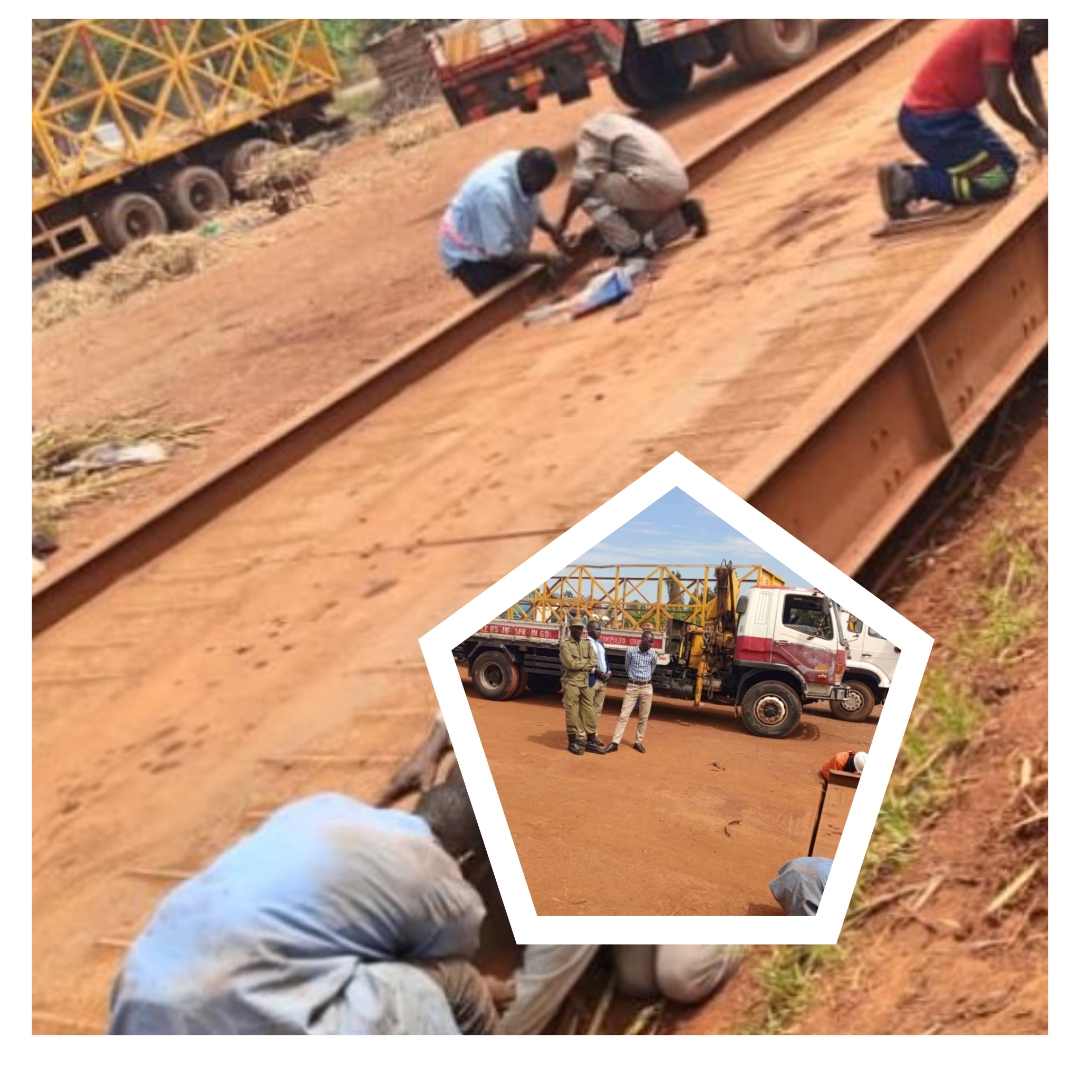
Tension is building in Masindi after a directive linked to Internal Affairs Minister Kahinda Otafiire ordered the removal of roadside sugarcane weighbridges, a move outgrowers say could dismantle hard won gains in transparency and fair trade within the sugar industry.
A February 12 letter from Uganda Police Force headquarters instructed the Albertine North Regional Police Commander to provide security as officials from the Ministry of Trade, Industry and Cooperatives oversee the dismantling of privately operated roadside weighbridges in Masindi District.
The police action follows a February 6 communication in which Otafiire directed the Inspector General of Police to ensure enforcement of a 2025 ministerial directive requiring all sugarcane to be weighed strictly at factory premises.
Government officials say the measure is designed to curb sugarcane theft and streamline regulation of the sector. The directive bars weighing along roads and trading centres, arguing that centralised factory weighing will improve accountability. Yet on the ground in Bunyoro’s sugar belt, many farmers view the decision through a different lens.
For years, outgrowers delivered cane directly to factories and relied solely on factory weighbridges to determine tonnage. Farmers say this arrangement left them vulnerable, as the buyer effectively controlled measurement, pricing and payment. The emergence of independent roadside weighbridges altered that dynamic. Before transporting cane to the millers, farmers could weigh their produce, record the figures and enter negotiations armed with documented evidence.
“When we started weighing our cane ourselves, factories became careful because they knew we had our own records,” said one outgrower in Masindi who requested anonymity. “It was not about fighting factories. It was about fairness.”
Beyond sugarcane, the weighbridges evolved into vital commercial infrastructure, serving traders dealing in maize, cassava and beans. Their presence in rural trading centres created a reference point for multiple value chains, strengthening local commerce.
Outgrowers now argue that eliminating these weighbridges risks returning the industry to a system where factories once again dominate the weighing process without independent verification.
Although the Trade Ministry has pledged improved documentation at factory sites, farmers remain sceptical. They contend that paperwork generated within a factory controlled environment cannot substitute an external check.
“We have been in a system where the factory decides the weight and the farmer has no alternative proof,” said a cooperative leader in the region. “If that is restored, bargaining power shifts completely.”
Industry observers note that the independent weighbridges also encouraged competition among millers. With farmers aware of precise tonnage, factories were compelled to offer more competitive prices to secure supply. Removing that leverage, analysts say, could tilt negotiations in favour of processors and weaken price discovery mechanisms in the market.
The involvement of security agencies has further heightened emotions. The police correspondence anticipates possible resistance and calls for protection of officials during the exercise. Some farmers interpret the deployment as an indication that their concerns are being treated as defiance rather than dialogue.
As ministry officials prepare to implement the directive, the debate in Masindi has moved beyond the issue of theft prevention. It now centres on transparency, market power and trust within the sugar value chain. For many outgrowers, the roadside weighbridge symbolised more than a scale. It represented a measure of control over their own produce and income.
Whether the policy achieves its intended regulatory goals or deepens tensions between farmers and millers will likely depend on how government addresses the underlying concerns of accountability and independent verification.
In the meantime, sugarcane growers in Bunyoro are watching closely, wary that a reform framed as order could alter the balance of power in an industry that sustains thousands of rural households.