
Education
Luweero ONC Regional Coordinator Wasswa Tamale Calls For Parental Responsibility After School Inspection Reveals Low Turnout

By Gad Masereka
A routine inspection by the Office of the National Chairman in Luweero Sub region has brought renewed attention to low pupil turnout in several government primary schools, even as teachers report for duty in full.
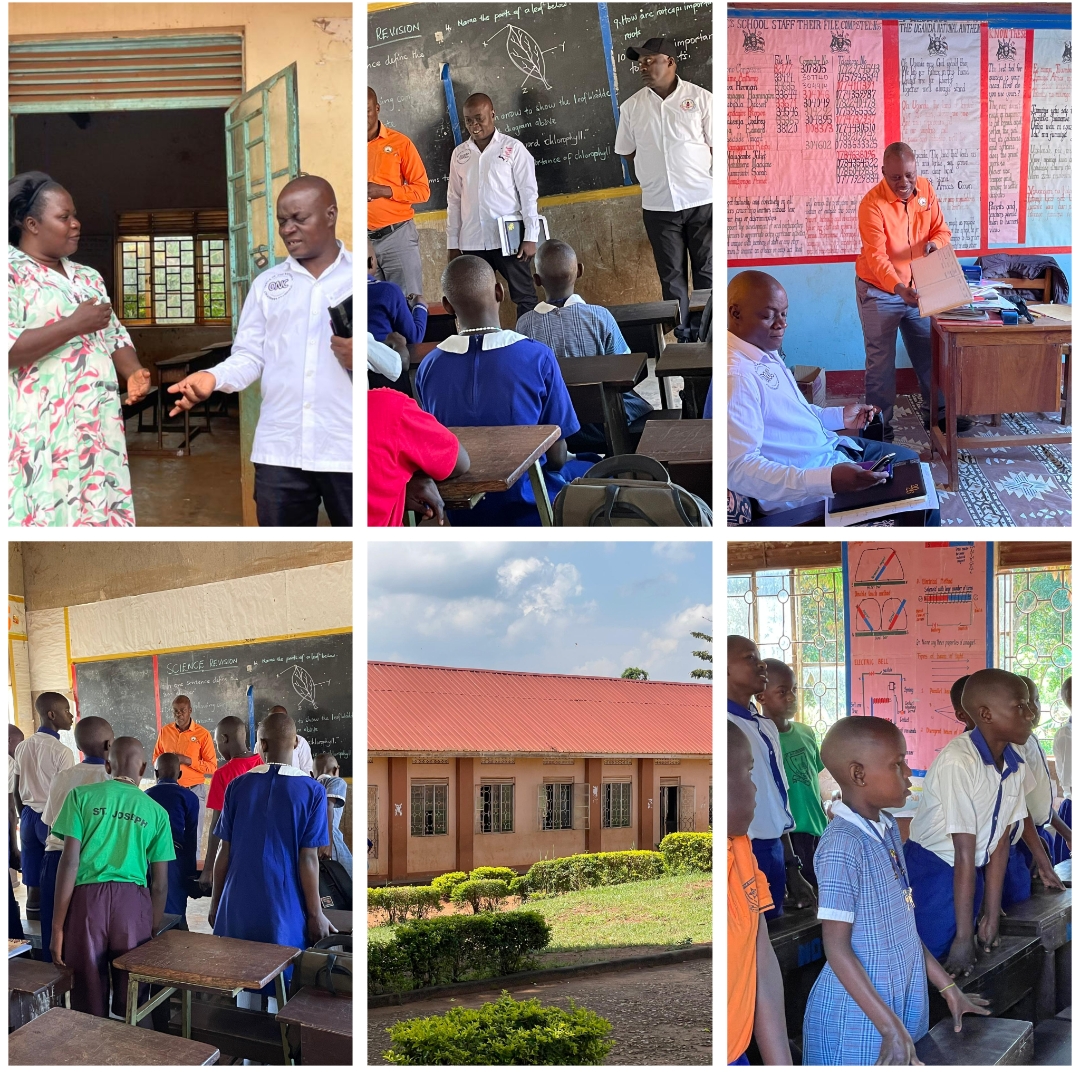
Regional Coordinator Wasswa Tamale, who also serves as personal assistant to State Minister for Higher Education Dr John Chrysostom Muyingo, spent part of the week visiting schools in Bamunanika and Katikamu sub counties to assess attendance levels at the start of term.
At Kakola Primary School, a government aided institution recently ranked the best performing Universal Primary Education school in Luweero District, Tamale praised teachers for teamwork and consistency. He noted that their collaboration had translated into improved academic performance, describing the school as an example of what collective effort can achieve even in rural settings.
However, the situation was markedly different at Zinunula Church of Uganda Primary School in Katikamu, where only 10 pupils were found in class at the time of inspection despite all teachers being present. At Lutete Primary School in Bamunanika Sub county, just 60 learners had reported by mid morning, again with the full teaching staff on site.
Tamale expressed concern over the imbalance. “It is encouraging that teachers are reporting on time and are ready to teach,” he said. “But education is a partnership. When learners do not turn up, the system cannot function as it should.”
His observations echo concerns raised by head teachers across the district who say delayed reporting is already affecting classroom progress.
At Luweero Boys Primary School in Luweero Town Council, head teacher Godfrey Ssendikaddiwa said the culture of late reporting remains deeply rooted among some parents.
“Some parents still believe the first week is for cleaning and slashing,” Ssendikaddiwa said. “The Ministry now requires schools to prepare in advance so that lessons begin immediately. A child who misses the first week starts the term at a disadvantage.”
By the time of a recent visit to the school, only about 300 of the expected 1,318 pupils had reported. Administrators say the pattern is similar in several government aided schools, where learners trickle in days or even weeks after official reopening.
Economic hardship appears to be a major factor. Ruth Namulindwa, a parent with three children at Luweero Boys Primary School, said she brought her children without basic scholastic materials because her nursery bed business was affected by the dry season. “I could not keep them at home,” she said. “I will try to raise the money for the requirements, but for now I ask the school to be patient.”
Another parent, Sylvia Birabwa, said she has managed to pay part of the required fees for her three children, including a Primary Seven candidate, and plans to clear the balance as soon as possible.
Luweero District has more than 200 government primary schools and nearly 300 private ones, along with over 20 government secondary schools.
Education officials acknowledge that low turnout at the beginning of term has become a recurring challenge, particularly in rural areas where household incomes are unpredictable.
For Tamale, the inspections were not only about attendance figures but about accountability and community responsibility. He commended teachers for honoring their obligations and urged parents to match that commitment.
“When teachers are in class and ready to work, parents must play their part,” he said. “Education cannot wait.”
As the term progresses, school leaders hope that continued engagement with parents, combined with local leadership oversight, will help close the attendance gap and ensure that pupils do not lose valuable learning time at the very start of the academic calendar.


