
Politics
Kasibante Blinks In Costly Supreme Court Election Clash, Seeks To Withdraw Petition Over High Costs & Technical Hurdles

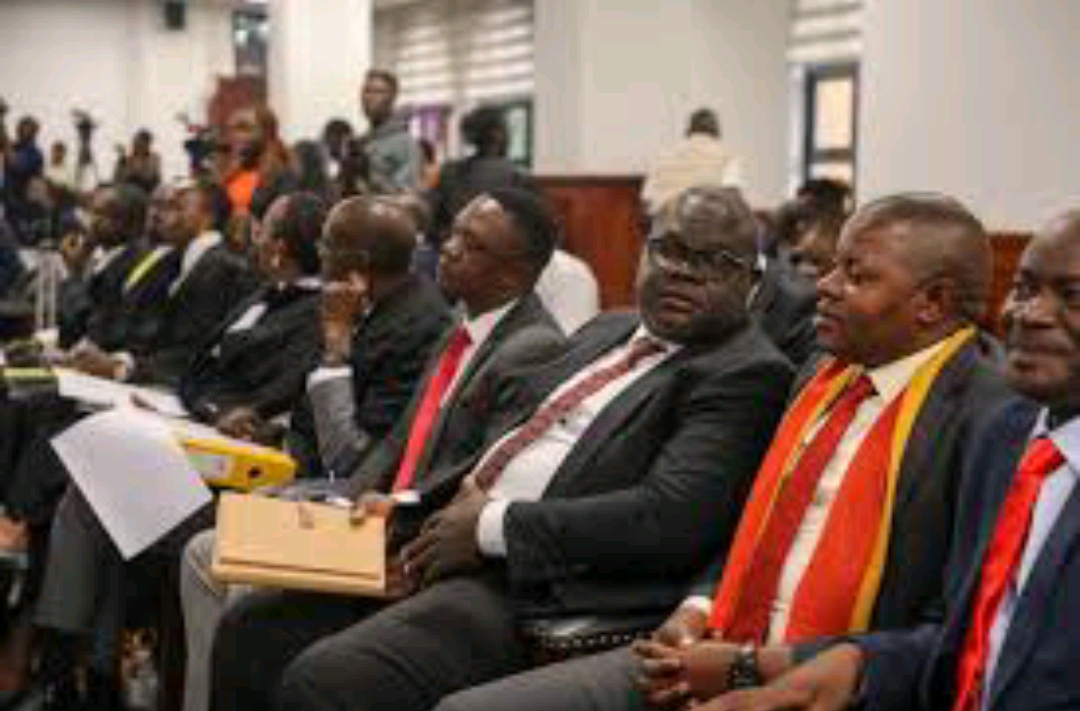
Former presidential contender Robert Kasibante has taken a decisive turn away from the country’s highest electoral courtroom, asking the Supreme Court to allow him to walk away from his challenge to President Yoweri Kaguta Museveni’s victory in the 2026 presidential election, a move that reshapes the legal and political aftertaste of the polls.
In an application filed before the court, Kasibante says the financial and technical demands of sustaining the case have become insurmountable.
He is seeking leave to withdraw both his main petition and a related application in which he had asked the court to sanction a far reaching audit of electoral materials and electronic systems used by the Electoral Commission.
The petition had named President Museveni, the commission and the Attorney General as respondents.
At the heart of Kasibante’s withdrawal is the scale of the evidence he had hoped to interrogate. His audit request sought access to declaration of results forms, biometric voter verification data, scanners and central servers that processed results from across the country.
According to his filing, analysing such material would require handling massive volumes of electronic data and hiring highly specialised independent forensic experts, a process he says would be prohibitively expensive and practically impossible within the strict timelines governing presidential election disputes.
“The nature of the data involved demands advanced technical expertise and resources that are beyond my means,” Kasibante states in his application, adding that the discovery process would be difficult to complete before the court’s constitutional deadline.
He has also asked the justices to order that each party bears its own legal costs, arguing that it would be unfair to burden any side with additional expenses arising from a matter he now seeks to terminate.
The request lands at a delicate moment in the proceedings. Only days earlier, the Supreme Court had formally framed the key issues for determination and commenced inter parties hearings.
A nine member panel led by Chief Justice Flavian Zeija had already set out the questions that would guide the court, including whether the election was conducted in compliance with electoral laws, whether any irregularities substantially affected the final result, and whether alleged electoral offences could be attributed to the President or his agents.
Kasibante’s petition had alleged voting at ungazetted polling stations, discrepancies between votes counted and those transmitted, failures in biometric voter verification and the improper involvement of security forces.
He had also accused the winning side of electoral offences such as bribery and the use of inflammatory language. The remedies he sought included nullification of the election results announced after the January 15 poll.
Legal observers note that the withdrawal application effectively halts a case that was poised to test the robustness of Uganda’s increasingly digital electoral infrastructure.
The court had been expected to rule on Kasibante’s access to backend electoral data, a decision that could have set a precedent for future petitions in an era of electronic transmission and biometric verification.
Under the Presidential Elections Act, the Supreme Court must conclude any presidential election petition within forty five days of filing. Kasibante lodged his case on January 18, locking the court into a tight constitutional schedule. With the withdrawal request now before it, the court faces a different task of deciding whether to formally close one of the post election legal battles arising from the 2026 vote.
For now, the Supreme Court has not fixed a date to hear the application. If the justices grant it, Kasibante’s challenge will end not with a judgment on the merits but with a reminder of the steep financial and technical barriers that often shape who can realistically contest an election outcome in court.