
Breaking News
Uganda Police Confirms Arrest Of NUP Deputy President Muhammad Muwanga In Butambala

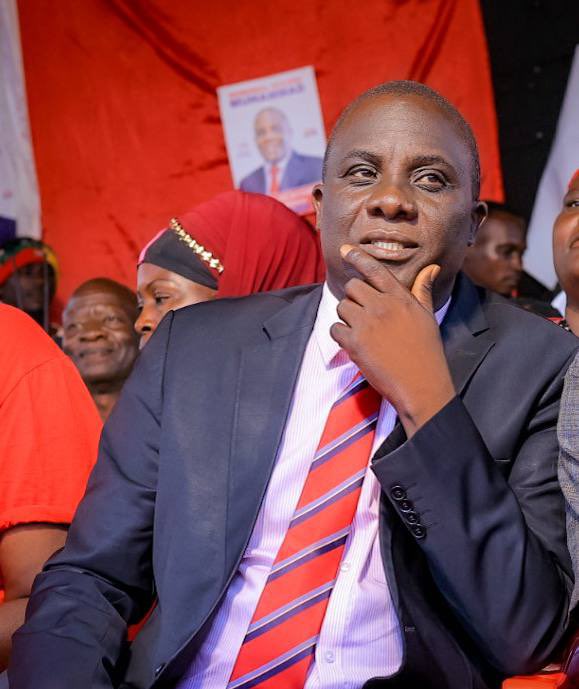
The Uganda Police Force has confirmed the arrest of Butambala County Member of Parliament Muhammad Muwanga Kivumbi, linking his detention to investigations into recent incidents of political violence in Butambala District.
The announcement has triggered widespread public debate, with legal experts, opposition figures, and civil society groups questioning both the timing and transparency of the arrest.In a brief statement, police said the legislator is currently in custody and will be produced before court in due course.
However, authorities have not disclosed the specific charges he is expected to face, the nature of evidence gathered against him, or whether additional suspects are being pursued as part of the same investigation.
The limited information released has left key aspects of the case unclear, fueling speculation about the broader motives behind the move. The arrest is reportedly connected to a series of politically charged incidents that have recently unsettled parts of Butambala, including reports of clashes between rival political supporters, disrupted public meetings, and alleged confrontations involving security personnel.
While police maintain that these incidents constitute criminal conduct requiring accountability, critics argue that the government has often failed to apply the same urgency when investigating violence involving pro-government actors.
Hon. Kivumbi, a prominent member of the opposition National Unity Platform (NUP), has built a reputation as a vocal critic of government policies, particularly on matters of civil liberties, policing, and electoral conduct.
In past public statements, he has accused state agencies of selectively enforcing the law to suppress opposition mobilization a claim his supporters now say is reinforced by his sudden detention.
Sources close to the legislator indicate that he was taken into custody without a public summons, and that his legal team is still seeking access to the full police case file to understand the basis of the allegations.
Under Uganda’s Constitution, suspects must be produced before court within 48 hours, placing pressure on authorities to formally charge him or justify any continued detention.
Human rights advocates have warned that failure to adhere to this timeline could constitute a violation of due process. Legal analysts note that while political violence remains a legitimate national concern, credibility in enforcement depends heavily on fairness, consistency, and transparency.
They argue that arrests of elected officials should be accompanied by clear communication of charges and evidence to avoid perceptions of politically motivated law enforcement. Without such clarity, critics warn, public confidence in state institutions risks further erosion.
Police, however, have dismissed claims of political persecution, insisting that the investigation is strictly evidence-based and unrelated to Kivumbi’s political affiliation.
Officials maintain that the MP will be granted all constitutional protections, including access to legal counsel and a fair hearing before court.
They have promised to release additional details once investigations are finalized and formal charges are filed. The case has added to a growing national conversation about political freedoms, accountability for violence, and the role of security agencies in Uganda’s increasingly tense political environment.
As the country awaits Hon. Kivumbi’s court appearance, observers say the handling of the case could set an important precedent for how allegations of political violence involving opposition leaders are addressed in the future.


