
Business
Museveni Cracks Down On Sugar Tycoons: Scraps 5% Trash Levy, Hands Power Back To Farmers

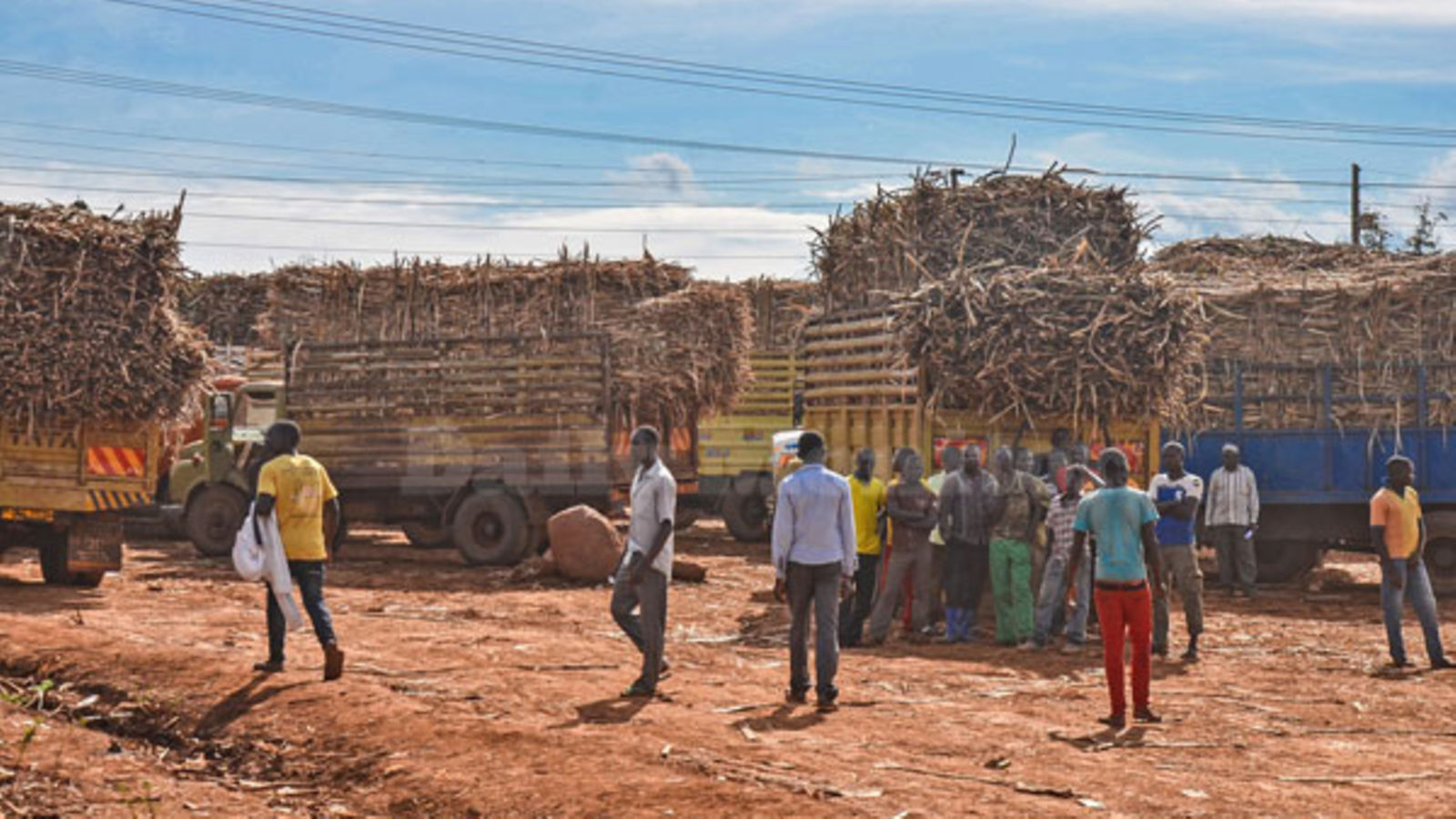
President Museveni’s latest intervention in Uganda’s sugar industry has shifted the political and economic spotlight from factory corridors to the farmers who have long accused millers of manipulating the system to their disadvantage.
During a campaign stop in Mayuge, the president announced the scrapping of the five percent trash levy and directed that farmers be allowed to operate their own weighbridges, a move that immediately unsettled powerful players who have dominated the sector for years.
His remarks signalled a rare public rebuke of practices that growers say have eroded their earnings and entrenched imbalances in an industry that supports millions across the country.
For many farmers in Busoga, Bunyoro, and parts of central Uganda, the levy had come to symbolise a deeper struggle over who controls the actual value of sugarcane. While millers justified the deduction as compensation for non-usable leaves and residue, growers insist that little of the cane goes to waste. They argue that what factories label as trash is routinely processed into energy, paper, and other profitable by-products, raising questions about why farmers have carried the financial burden for material that continues to generate revenue. The president’s decision struck at the heart of these long-standing grievances, prompting cautious optimism among producer groups.
Behind the optimism lies a story of silent confrontations, shifting alliances, and political interests that have shaped the sector for decades. Farmers have long accused influential millers of using their monopoly over weighbridges to undervalue cane and dictate prices with minimal oversight.
According to community leaders, this practice widened mistrust between growers and factory owners, especially when efforts to establish independent weighbridges were blocked through ministerial directives and restrictive enforcement measures. Trucks were seized, roadside stations were dismantled, and growers often found themselves forced back into systems they believed were designed to short-change them.
Some of the most contentious battles emerged in areas where new sugar firms attempted to introduce alternative weighing systems. Farmer groups recall a particularly heated standoff in Luweero and Bunyoro, where a new entrant allied itself with growers by endorsing roadside weighbridges that allowed farmers to confirm cane weights before negotiating with any factory.
Older millers viewed these initiatives as a threat to a model that had served them well. Growers saw them as the first genuine attempt to correct decades of power imbalance. The confrontation drew in police, district officials, and political intermediaries until the restrictions were eventually relaxed following public pressure and investigations.
Those investigations exposed deeper networks that stretched beyond factory gates. Some growers claim that senior political figures have quietly protected millers by influencing legislative processes, securing preferential treatment, and curbing attempts to strengthen farmer autonomy. While such allegations are difficult to prove, the persistence of these claims reflects the mistrust that has shaped farmer-miller relations for years.
When Speaker Emeritus Rebecca Kadaga raised the farmers’ concerns directly before the president, many insiders believed a line had finally been crossed. Museveni’s latest directive has been interpreted as an acknowledgment of those concerns.
The sugar industry remains one of Uganda’s most valuable economic engines, generating hundreds of billions in tax revenue, supplying regional markets, and employing vast numbers across the value chain. Given its influence, the struggle over who controls weighbridges carries implications far beyond farmer earnings. Economists and political analysts say the ability to influence cane pricing and distribution can translate into regional political leverage, dominance in ethanol and energy supply, and significant control over rural economies. In this context, the president’s order is seen not just as an administrative correction but as a reshaping of the sector’s internal power structures.
Attention now shifts to the recently formed Sugar Industry Stakeholders Council, a regulatory body expected to mediate disputes and guide policy. Although its mandate is broad, some growers fear it may fall under the same networks that previously favoured dominant millers. They question whether the council will ensure transparency in levy collections, protect farmer-owned weighbridges from interference, or enforce the president’s directive without delay. Several farmer representatives argue that its composition already reflects the influence of major factory interests, raising concerns about its ability to act impartially.
Despite these uncertainties, the president’s remarks have reinvigorated debates about reform in a sector long viewed as resistant to change. “What the president has done is what farmers have been asking for. We hope this decision is followed through. We cannot afford another promise that fades after elections,” one grower in Mayuge said, reflecting a sentiment shared by many who have endured fluctuating prices and disputed cane measurements. A factory manager, speaking on condition of anonymity, acknowledged that the changes could reshape the industry but warned that independent weighbridges may complicate supply coordination if not properly monitored.
The coming months will test whether Museveni’s directive will translate into lasting structural reform or become another chapter in a cycle of policy announcements that fail to withstand commercial and political pressure. If fully implemented, farmers could gain unprecedented negotiating power, millers would be compelled to adapt to a more transparent system, and the sector could shift toward a more balanced model of governance. If not, the entrenched disputes that have defined the industry may persist, leaving the president’s announcement as little more than a brief moment of political theatre.
For now, the farmers who gathered in Mayuge speak of hope tempered by experience. They have heard promises before, but many say this one feels different because it directly challenges the practices that have shaped their lives and incomes. Whether this becomes a turning point or another contested reform will depend on how effectively the system responds in the months ahead.