
Sports
FUFA Bows To Pressure, Suspends New Uganda Premier League Format After Massive Backlash

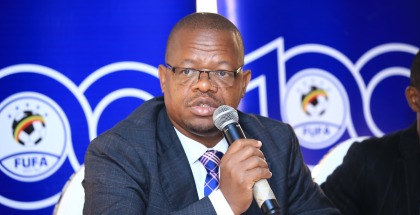
After weeks of turmoil, boycotts, and intensifying debate, the Federation of Uganda Football Associations has bowed to mounting pressure and suspended its controversial new format for the StarTimes Uganda Premier League.
The decision follows unprecedented opposition from top clubs, football veterans, and fans, all questioning the federation’s decision-making and the lack of consultation surrounding the reforms.
In an announcement shared on its official social media platforms, FUFA said the new structure would not be implemented this season to give stakeholders more time to understand the reforms through what it termed as “sensitisation and dialogue.” The federation noted that the decision was reached after consultations with club executives, sponsors, and the Uganda Premier League Board.
The now-suspended three-phase league model was designed to make the domestic competition more commercially appealing and competitive.
It proposed that all sixteen teams play each other once in the first round before splitting into two groups of eight, where the top half would compete for the championship and the bottom half would battle against relegation.
The idea, according to FUFA, was to increase competitiveness and reduce what it described as “meaningless fixtures” in the latter stages of the season.
However, the reforms immediately met fierce resistance from several clubs that accused FUFA of imposing structural changes without adequate consultation.
The loudest criticism came from Vipers Sports Club President and former FUFA boss Dr. Lawrence Mulindwa, who announced earlier this month that his club would not honour its scheduled fixture against Kitara FC until the matter was resolved.
In a statement that quickly went viral, Mulindwa accused the federation of sidelining dissenting voices and implementing a plan that undermined the integrity of the league. “We shall not be part of a system that disregards the views of clubs and supporters,” he said, calling the new format coercive and ill-conceived.
The standoff quickly rippled across the football community. Fans took to social media, launching online campaigns under the hashtags #BoycottUPL and #RespectTheGame, while others protested by refusing to attend matches.
At the Mandela National Stadium, where a doubleheader had been heavily advertised, several sections of empty seats reflected growing discontent and frustration. Supporters accused organisers of deceit after buying tickets for games that never featured some of the expected clubs.
Amid the uproar, a number of respected football figures stepped in to urge calm and reconciliation. Former national team captain George Ssemwogerere advised both FUFA and club owners to “return to dialogue before pride destroys the sport’s unity,” while Jackson “Mia Mia” Mayanja echoed similar sentiments, reminding the federation that “football belongs to the people, not the administrators.” Veteran sports administrator Jabeli Bidandi Ssali described the controversy as a “leadership test,” warning that arrogance on either side could reverse years of progress made in professionalising the league.
The suspension of the new format is widely seen as a temporary reprieve rather than a full resolution.
FUFA officials have indicated that they will embark on a countrywide stakeholder sensitisation campaign to explain the intentions behind the reforms and collect feedback from all key actors.
Whether the model will be reintroduced remains uncertain, but for now, the decision to revert to the traditional format has calmed tensions and offered football administrators an opportunity to rebuild trust.
As Uganda’s most popular sport finds itself at a crossroads, the coming months will test the federation’s willingness to engage with those it governs.
For many, the lesson from this episode is clear: reforms in football, however ambitious, must begin with dialogue, respect, and transparency.


