
Africa
Breaking The Silence: UICT Guild President Nkwanga Michael Unveils Groundbreaking Book On Africa’s Untapped Potential

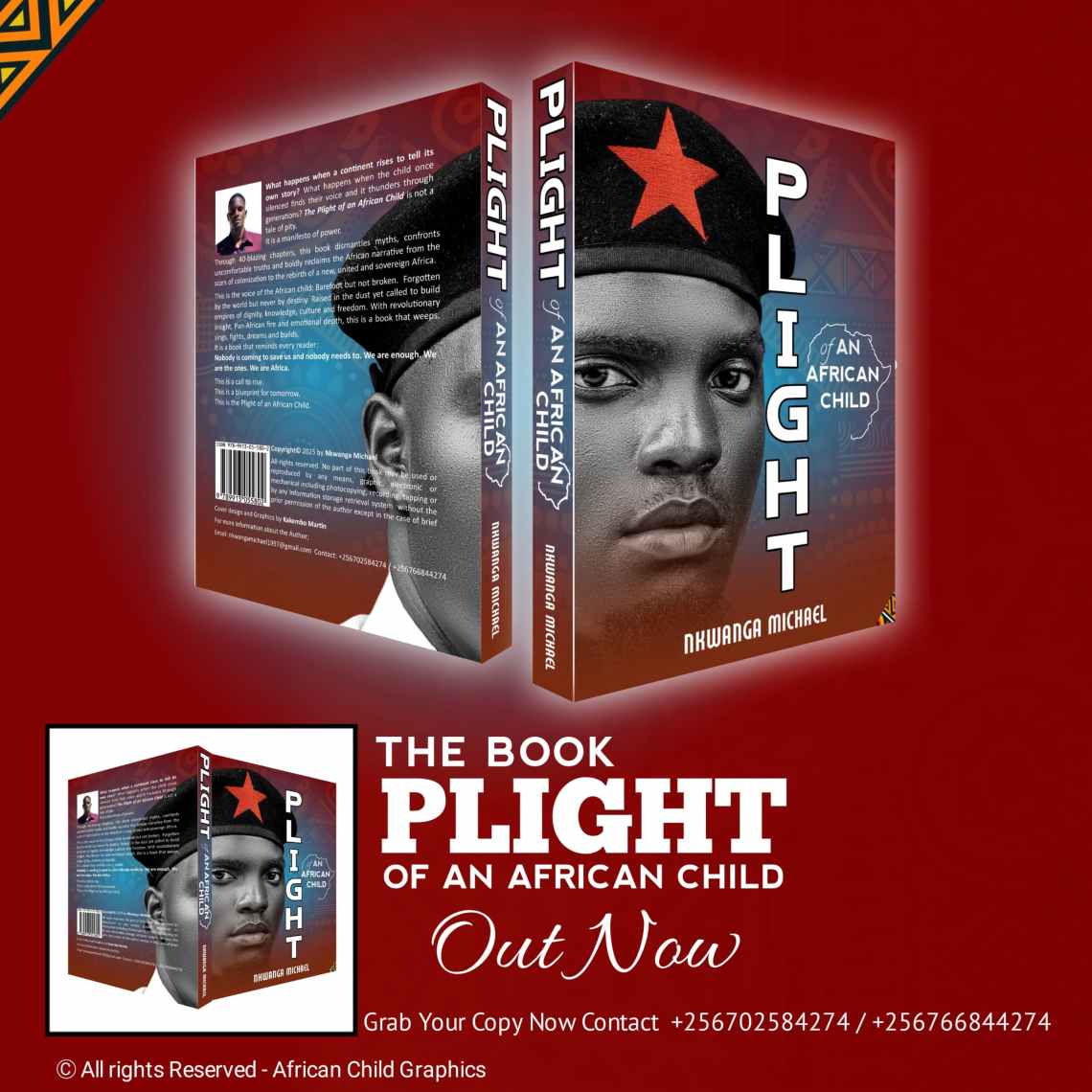
In a compelling addition to contemporary African literature, Uganda Institute of Information and Communication Technology (UICT) guild president Michael Nkwanga has unveiled “The Plight of an African Child: Africa’s Untapped Potential”, a book that confronts the systemic challenges stifling the continent’s youth while championing their resilience and promise.
Released this week, the 40-chapter work has already sparked conversations among policymakers, educators, and activists for its unflinching examination of issues ranging from failing education systems to child labor and cultural oppression all framed not as markers of defeat but as catalysts for transformation.
Nkwanga, whose leadership at UICT has been marked by advocacy for youth empowerment, describes the book as a labor of conviction.

“This is my humble contribution to the conversations around Africa’s journey, her people, and especially her children,” he said at a launch event in Kampala. “It tells stories of struggle, survival, and hope. But more than that, it’s a call to action—to recognize the potential we overlook and the systems we must rebuild.”
The narrative balances stark realism with an almost lyrical optimism, painting African children not as passive victims but as innovators constrained by circumstance yet brimming with solutions.
Early readers have praised the book’s audacity in reframing Africa’s narrative. One reviewer noted, “In an era where the continent’s story is often told through the lens of poverty or pity, Nkwanga’s work forces us to confront uncomfortable truths while offering a roadmap for change.”
The chapters weave together historical context, personal anecdotes, and incisive analysis, arguing that the marginalization of African youth is not just a moral failure but a strategic misstep for the continent’s development.
What sets “The Plight of an African Child” apart is its refusal to dwell solely on despair. Instead, it spotlights grassroots movements, unsung heroes, and policy opportunities that could unlock what Nkwanga calls “the sleeping giant of Africa’s greatest resource—its children.”
For educators, the book serves as a toolkit for reimagining pedagogy; for leaders, it’s a manifesto for equitable investment. “Change begins with truth,” Nkwanga asserts, “and truth demands that we listen to those too often silenced.”
Already available in major bookstores and online platforms, the book arrives at a pivotal moment, as debates about decolonizing education and youth unemployment dominate pan-African forums.
Whether it ignites the shift Nkwanga envisions remains to be seen, but one thing is clear: the conversation around Africa’s future just gained a vital new voice.